


Garden soil in containers often leads to compaction, disease, and poor drainage. A soilless potting mix solves these problems—it’s lightweight, sterile, and engineered for optimal root health. Here’s why it works, what’s in it, and how to make or buy the best blend.
Native soil compacts in pots, suffocating roots. It also carries weed seeds, pathogens, and pests. Overwatering turns it into a heavy, soggy mass that rots young plants. Soilless mixes eliminate these risks while providing consistent aeration and moisture control.
Basic All-Purpose Mix
1 part peat moss (or coir) : 1 part vermiculite : 1 part perlite
Compost-Enriched Mix
1 part compost : 1 part peat moss : 1 part vermiculite : 1 part perlite
Add lime to adjust pH to ~5.8, plus soybean meal or bone meal for nitrogen and phosphorus.
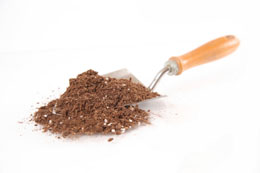
Whether you blend your own or buy a trusted brand, a quality soilless mix gives your container plants the clean, airy, moisture-balanced foundation they need to thrive.
Rubber Landscape Mulch for Orchids? Not Recommended
Orchid Drying Out? It's Probably Normal Post-Bloom
Phalaenopsis Lost All Leaves: Black Rot Survival Slim
Double-Pot Orchid Systems: Convenient but Risky
Rescuing a Declining Phalaenopsis: Repotting Is the Cure
Phalaenopsis Root Rot: Complete Repotting Guide
White Spots in Orchid Pot: Perlite, Not Fungus
Orchid Potting Mix Pests: Insecticidal Drench & Repot
Watering and Fertilizing Orchids After Bloom: The Fresh Mix Rule
Incorrect Soil Mix for Drosera capensis: Coconut Coir and Vermiculite
Money Tree Potting Mix: Peat and Perlite Works, Just Add Fertilizer
Copyright © www.100flowers.win Botanic Garden All Rights Reserved