


Fall is ideal for planting and establishing deciduous trees, shrubs, perennials, and ornamental grasses. Nurseries discount inventory to avoid overwintering stock—great for buyers. But don't go crazy. A "deal" only works if purchases integrate into your garden and lifestyle, not the compost heap. Before adding plants to your cart, consider these five questions.
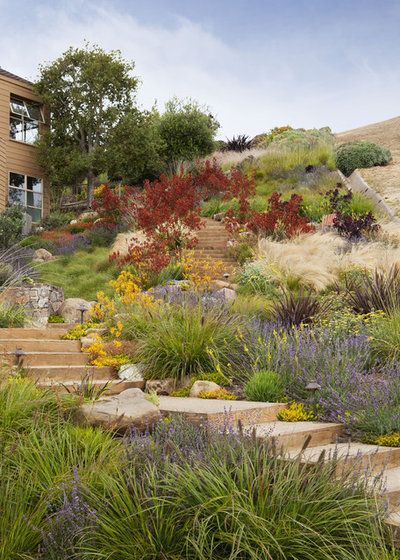
Is your garden hot, dry, and exposed, or a shady, cool, damp cocoon? Read the label thoroughly for compatibility. Confirm:

Other important considerations often missing from labels. Find an experienced-gardener salesperson (shop at independent garden centers) and ask about:

For a focal point or screen, a large shrub or ornamental tree (8–25 feet) works. Same size for shade or privacy on a small patio or ground-floor window. For substantial shade, an outdoor room ceiling, or a windbreak, go bigger—deciduous shade trees or evergreens over 30 feet. Smaller decorative plants should complement adjacent plants and landscape features.
Remember: plants grow! Select one that won't outgrow its space at maturity. You'll save maintenance time and expense, and keep the plant's natural form.


For a stylish garden, focus buying power on plants whose decorative attributes meet your needs. Colorful foliage and flowers, unusual forms and textures combine—thoughtfully—to create a specific look or reflect personal taste. A Mediterranean garden with fleshy succulents and sculptural forms uses a completely different palette than a soft, floriferous cottage garden.

Or perhaps you're developing a strong color story. The green-on-green planting with red accents shown here has a lush, tropical feel.

As long as purchases match your design criteria, you're good to go.

Some plants demand attention: staking, fertilizing, pest/disease treatment, deadheading, shearing—all take time and resources. Select relatively carefree plants if you prefer a hands-off approach.

A Charlie Brown tree or character-filled shrub may be perfect, but after a long, hot nursery summer, plants can be stressed. Look for these signs of good health:

Next: 5 Essential Considerations for a Landscape Design Project
The Benefits of Indoor Plants: Beauty, Health, and Well-Being
Common Berry Plants: Black Raspberry, Dewberry, and Bunchberry
Marijuana Cultivation Techniques: Increasing Yield and Potency
Growing Pineapples at Home: From Crown to Harvest
Bonsai Techniques Masterclass: Pruning, Wiring, Shaping & Defoliation
How to Water Plants Correctly: Timing, Amount, and Techniques
Perennial Powerhouses: Aster, Coral Bells, Daylilies, and Hollyhocks
How to Plant Nursery Perennials: From Pot to Garden
Plant Growth Secrets: Mastering Food, Light, and Water for a Thriving Garden
Basic Plant Propagation: Seeds, Division, Cuttings, and Leaf Cuttings
How to Grow a Plant: Essential Guide to Soil, Light, and Water
Plant Identification Secrets: Using Keys, Images, and Expert Help
The Floras: Garden's Best Plants Honored with Academy Awards-Style Awards
Copyright © www.100flowers.win Botanic Garden All Rights Reserved