
Living Christmas Trees: Selection and Care for the Atlanta Area
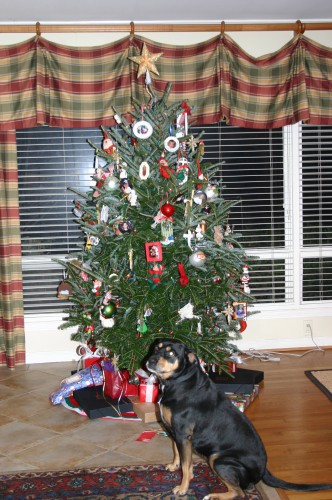
Living Christmas Trees: Selection and Care for the Atlanta Area Suitable Species for Atlanta Several evergreens work well as living Christmas trees in the Atlanta region: White pine Virginia pine Red cedar Leyland Cypre


Magnolia Care Guide: Planting, Watering, and Common Issues
Magnolia Care Guide: Planting, Watering, and Common Issues Site Selection and Soil Preparation Magnolias are fast-growing trees that thrive in full sun across Georgia, yet they tolerate heavy shade better than most everg
Transplanting Magnolias from the Woods: A Gamble Worth Taking?
Transplanting Magnolias from the Woods: A Gamble Worth Taking? Planting a magnolia grown from seed is a long-term commitment that requires patience and a bit of luck. You wont know if the seedling came from a less attrac
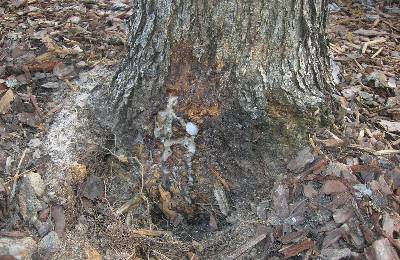
Oak Slime Flux: Bacterial Infection Causes Oozing, Fermenting Sap
My oak tree is oozing beer! Homeowners follow noses to base of oak to find puddle of yeasty-smelling liquid. Ooze usually surrounded by insects, some seemingly inebriated! Common on large oaks, poplars, maples. Happens o
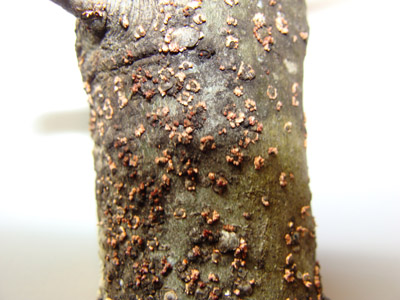
Beneficial Fungus Attacks Oak Scale Insects Naturally
An extension agent found orange/pink masses on a pin oak. A plant pathologist identified them as Fusarium fungus consuming scale insects in cool, damp weather. The fungus slowly eats the scales. Not a reliable control me
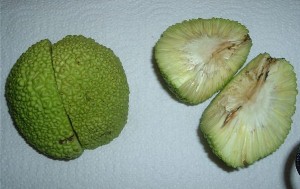
Osage Orange (Bodark) Tree: Identification, History, and Thornless Cultivars
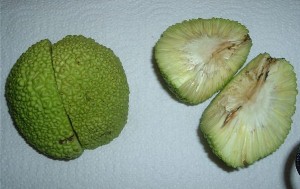
Visiting Master Gardeners, I asked: Anyone heard of bodark tree? Wrinkled brows, perplexed looks. Who knows Osage-orange? Most hands up. Thats the one with fruit like monkey brains! J.B. describes near Georgia Dome: Frui
Osage Orange Uses: Fence Posts, Bows, Wildlife Food, and Thorn Challenges
Garden friend D.G. has extensive osage orange experience: Grew up on small farm in west-central Illinois, father had quarter-mile row of osage orange, hedge trees. Planted by grandfather early 1900s as impenetrable hedge
Pine Bark Beetle Identification: Species, Attack Patterns, and Prevention
Pine trees always subject to insect attack; examine periodically for developing problems. Several small brown/black beetle species common pests. Referred to as pine bark beetles—found chewing through and developing in ba
Pine Needle Cast Disease: Identification and Fungicide Treatment
When pine needles turn reddish-brown in early summer, causes could be trunk beetles, root compaction, or needle disease. Year after wet summer, needle cast may cause numerous pines to become red-topped. Usually interior
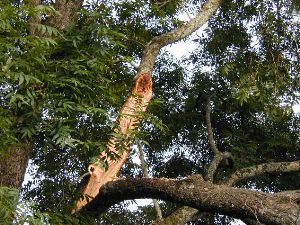
Repairing Storm-Damaged Trees: Resources from Michigan State and Iowa State
When storms break tree limbs its heartbreaking to survey damage. Trees remarkably recover if given help. This article from Michigan State University gives great hints: Repairing Storm Damage To Trees And from Iowa State:
Planting Sassafras for Spectacular Fall Color
I personally wish more gardeners would plant sassafras in landscapes. Never seen it offered at nursery. If several planted together, fall color would be spectacular. Tree touchy about transplanting from woods as large sp
SOD Update from Dr. Woodward: Georgia Nursery Detections and Homeowner Guidance
From Dr. Jean Williams-Woodward, April 9, 2004 By now most may have heard Phytophthora ramorum (SOD) positively identified on plants within five Georgia nurseries: John Deere #173 College Park; Greenbrier Nurseries Evans
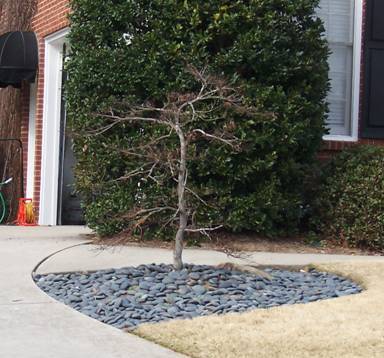
Stone Mulch Harms Trees: Heat Stress and Stunted Growth
Norm Mittleider, owner of The Art of Pruning (770-407-1511), read my comments on stone mulch. He comments: You couldnt have said it better. Ive seen bad effects of stone mulch. Case in point: poor Japanese maple in photo
Sudden Oak Death (SOD): Threat to Southeastern Oaks
Sudden Oak Death (SOD) fungus could seriously threaten oak trees in Southeast. Caused great damage to oaks in California. Several commonly grown woody plants (camellia, rhododendron, viburnum, etc.) can be carriers, thou
The Science of Fall Leaf Color: Chlorophyll, Carotenoids, and Anthocyanins
Pigments of Fall ColorDavid C. Zlesak, Regional Extension Educator, HorticultureUniversity of Minnesota Brilliantly colored leaves and fruit transform fall landscapes into enchanting scenes—hallmark of Minnesota and Nort
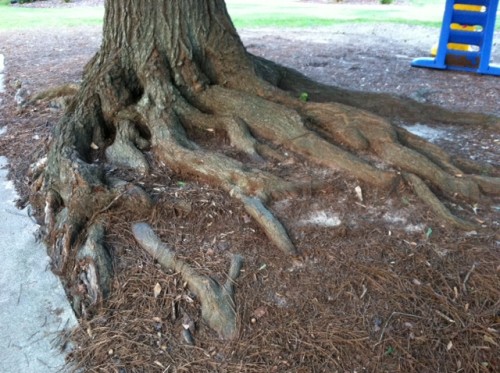
Covering Exposed Tree Roots: How Much Soil Is Safe?
Surface roots are common on maples (especially silver maple). They grow just below the surface for oxygen. Erosion or traffic exposes them. Oxygen Is Critical Feeder roots absorb oxygen. Adding too much soil suffocates t
Righting a Blown-Over Tree: Steps to Save Uprooted Trees
Storms often topple healthy trees. Heres how to right them: Dig under the root ball to create space for it to settle back. Cleanly cut any broken roots. Use thick padding (not hose) under rope/chain around trunk to pull
Tree Damage Insurance Claims: Valuing Losses & Documenting Proof
Storm-damaged trees may qualify for insurance or tax deductions. Value is based on: Decrease in property fair market value (before/after appraisal) Adjusted basis in property Insurance/compensation received Replacement
Tree Planting Tip: Add Superphosphate for Root Growth
Southern soils rarely freeze, allowing winter planting. When planting trees or shrubs in coming weeks, mix ½ cup superphosphate (0-46-0) into the backfill soil around roots. Phosphorus moves slowly in soil; placing it at
Storm-Damaged Trees: Assessment, Recovery, and When to Call an Arborist
Ice, snow, and wind storms cause extensive tree damage. Snow and ice add tons of extra weight. Stems and branches break; some trees completely bent over. Heres what to do after a storm: Three Categories of Tree Damage W
Copyright © www.100flowers.win Botanic Garden All Rights Reserved