

The Art of Japanese Gardening: Principles, Elements, and Styles
Japanese gardening is a profound cultural art form that seeks to capture the essence of nature in a carefully composed miniature landscape. Rooted in Zen Buddhism and Shinto traditions, these gardens are designed for con

Organic Gardening 101: Building a Chemical-Free Paradise
Organic gardening isnt just about avoiding synthetic fertilizers and pesticides—its a holistic approach that prioritizes soil health, biodiversity, and ecological balance. While it presents unique challenges in pest and
How to Start a Thriving Rose Garden: A Beginner's Guide
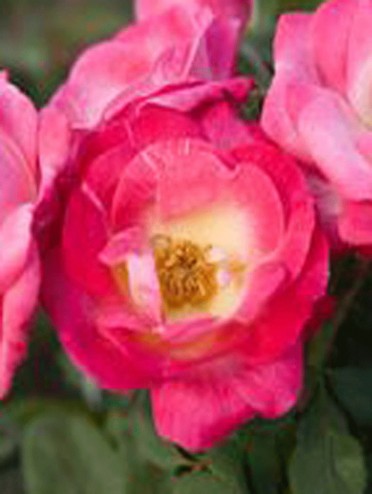
Roses have long suffered from a reputation for being finicky and difficult to grow, but that shouldnt deter you from cultivating these classic beauties. While rose gardening does require some specific knowledge, once you
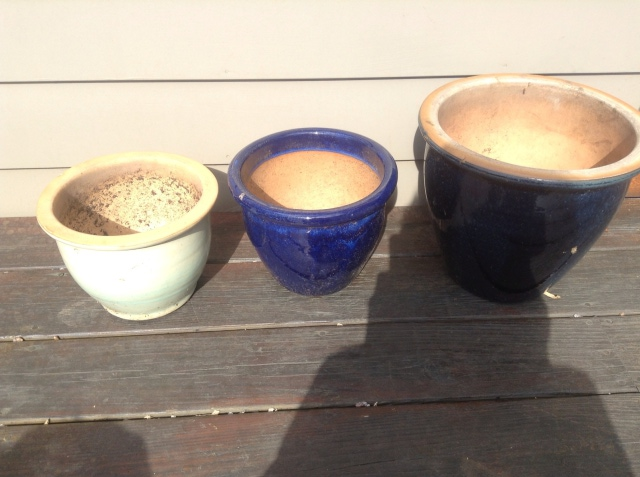
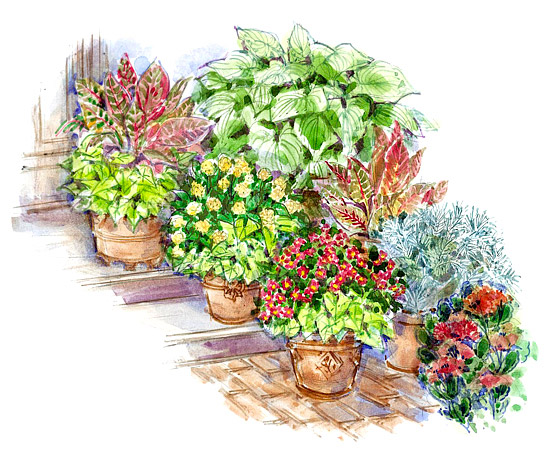
Container Gardening Fundamentals: Growing Anywhere with Pots and Planters
Container gardening liberates growing from land ownership. Balconies, patios, decks, windowsills, rooftops—anywhere with light becomes potential garden space. Planning Essentials Know your conditions: USDA zone, but mor
Water Gardening: Ponds, Fountains, and Aquatic Ecosystems
Water features transform gardens—adding sound, movement, reflection, and wildlife habitat. From container ponds to naturalistic streams, water gardening offers scalable beauty. Site Selection Fundamentals Sun: 4-6 hours
Creating Microclimates: Expanding Your Plant Palette Beyond Zone Limits
Your USDA zone isnt destiny. Microclimate engineering—manipulating sun, shade, wind, moisture, and temperature at small scales—lets you grow plants officially unsuited to your region. Microclimate Factors Sun/Shade: Str
Practical Garden Pest Control: Identification, Prevention, and Action
Walking your garden to find fresh damage is frustrating. Effective pest management combines identification, prevention, and targeted action—starting with the least toxic approach. Common Culprits and Signs Slugs/snails:
Garden Protection Tools: Mechanical Barriers and Application Equipment
Effective plant protection combines physical barriers with precise application tools. The right equipment makes pest and disease management safer, more efficient, and more successful. Mechanical Protection Devices Cold
Garden Pest Ecology: Understanding and Managing Common Pests
Pests are inevitable, but ecological management minimizes damage while preserving beneficial organisms. Understanding pest biology transforms reactive spraying into proactive stewardship. Beneficial Allies Predators: La
Container Gardening for Small Spaces: Vertical Solutions and Mobile Beauty
No yard? No problem. Container gardening brings growing pleasure to balconies, patios, windowsills, and rooftops. Mobility and verticality turn spatial constraints into design opportunities. Vertical Gardening Systems T
Herb Gardening: Fresh Flavor from Garden to Kitchen
An herb garden delivers disproportionate culinary impact for minimal space and effort. Fresh herbs transform everyday cooking—supermarket bunches wilt in days; garden herbs await harvest minutes before use. Choosing You
Drip Irrigation Systems: Efficient Watering for Healthy Gardens
Drip irrigation delivers water precisely where plants need it—root zones—eliminating waste, reducing disease, and saving time. Its the single most impactful watering upgrade for any garden. System Types Surface drip: 1/
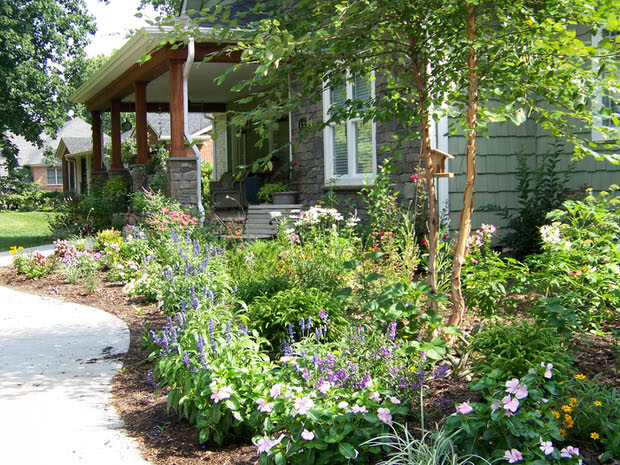
Landscape Gardening as Living Art: Principles for Enduring Beauty
Landscape gardening mirrors painting: a clear focal point, balanced composition, and harmonious transitions create gardens that feel inevitable rather than assembled. The Lawn as Negative Space Open lawn provides visual
Composting Mastery: Turning Waste into Garden Gold
Compost transforms kitchen scraps and yard waste into humus—dark, fertile, microbially active soil amendment. A well-managed pile produces no odor, minimal effort, and maximum garden value. Site Selection Convenient but
Mulching Mastery: Free Resources, Techniques, and Benefits
Mulch is the gardens multitasker: conserves water, suppresses weeds, moderates temperature, builds soil, prevents erosion, and looks finished. Best of all, premium materials are often free. Free Mulch Sources Grass clip
My First Garden Failure: Lessons Learned the Hard Way
Enthusiasm without knowledge is a recipe for garden disaster. My first attempt—rocky soil, random seeds, daily watering, zero research—produced nothing but frustration. The lessons learned transformed my approach forever
Water-Wise Garden Design: Hydrozoning and Drought-Resilient Plants
In water-scarce regions, garden design must prioritize efficiency. Hydrozoning—grouping plants by water needs—combined with drought-adapted species creates landscapes that thrive on minimal irrigation. Soil as Water Ban
Garden Infrastructure: Borders, Supports, Soil, and Layout Strategy
Beyond plants, a gardens hardscape and layout determine its functionality, aesthetics, and maintenance ease. Thoughtful infrastructure decisions pay off for years. Border and Edging Choices Wood: Cedar, redwood, or pres
Selecting Healthy Nursery Plants: A Buyer's Inspection Guide
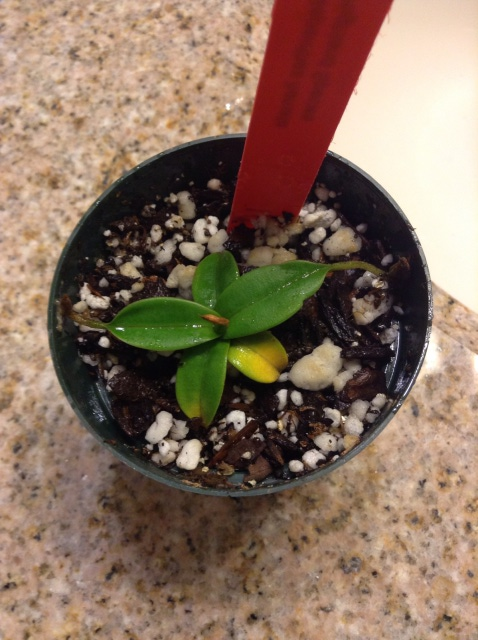
Buying plants transfers their care history to your garden. A thorough inspection prevents introducing problems and ensures vigorous establishment. Visual Health Assessment Foliage: Uniform color, no yellowing/browning/s
Seed Starting Success: Selection, Viability, and Planting Techniques
Seeds contain the entire genetic blueprint of a plant—plus the energy to launch its first independent growth. Understanding seed biology transforms germination from luck to reliability. Seed Selection: The Parent Plant
Copyright © www.100flowers.win Botanic Garden All Rights Reserved