Preventing & Managing Houseplant Pests and Diseases
Prevention beats cure. Clean practices, regular feeding, and sharp observation stop most infestations and infections before they spread. Prevention Buy only healthy plants; quarantine questionable ones. Inspect during

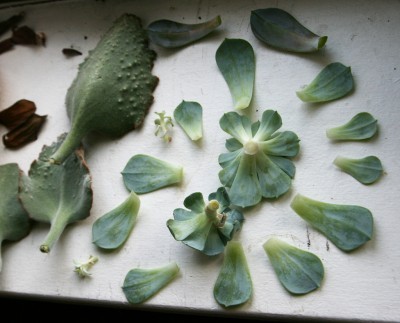
Leaf Cutting Propagation: Complete Techniques for Houseplants
Leaf cuttings multiply many houseplants—African violets, Begonias, Streptocarpus—using whole leaves, sections, triangles, or squares. Precision yields high success. Pre-Cutting Prep Water mother plant well day before—c
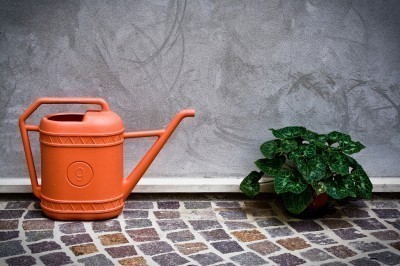
Watering Houseplants: Techniques, Vacation Care & Troubleshooting
Watering is a balance—too little or too much both kill. Master observation-based watering and emergency fixes. When to Water Touch: Dry, no sponginess = water. Pot tap (clay): Dull = moist; ring = dry. Moisture strips:
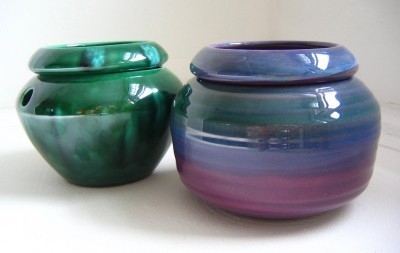
Choosing Pots & Potting Mixes for Healthy Houseplants
Store-bought plants come in temporary plastic pots with short-term soil. Long-term health requires proper containers and compost. Pot Selection Standard sizes: 6, 8, 13, 18 cm (25 cm for large floor plants). Saucers us
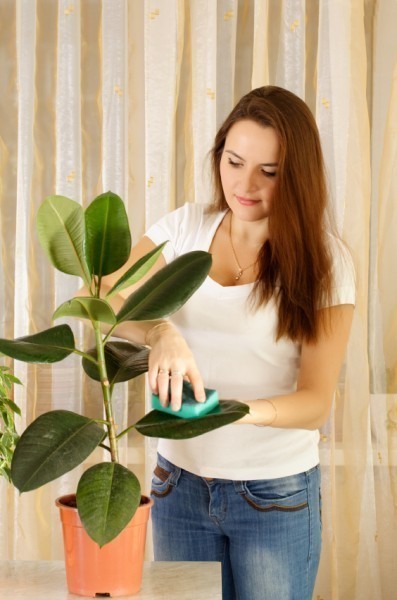
Grooming Houseplants: Cleaning, Pruning & Training for Beauty
Regular grooming keeps houseplants attractive and healthy. Dust blocks stomata and light; dead material invites disease; untrained vines tangle. Leaf Cleaning by Texture Smooth, large leaves (Rubber plant, Monstera): W
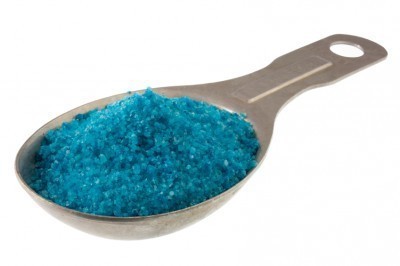
Fertilizing Houseplants: Liquid, Sticks & Timing Guide
Regular feeding prevents underperformance. Start when roots fill the pot. Feed every 10–14 days spring through summer; winter bloomers only while flowering. Liquid Fertilizer Mix concentrate in room-temp water per labe
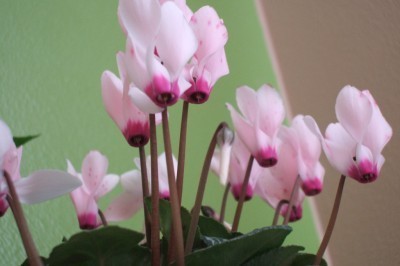
Flowering Houseplants: Long-Lived Bloomers vs. Seasonal Pot Plants
Flowering houseplants are long-term companions that bloom annually; flowering pot plants are temporary seasonal displays. Choose based on commitment and conditions. Choosing Flowering Houseplants Match plant to your li
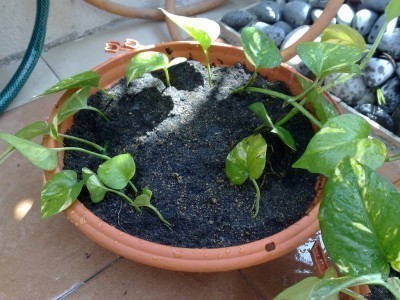
Propagating Houseplants from Stem & Leaf Cuttings
Cuttings are the easiest way to clone favorite plants or replace short-lived ones. Multiple techniques suit different growth habits. General Setup Clean pots, sharp knife, cutting compost, small stakes for support. Bri
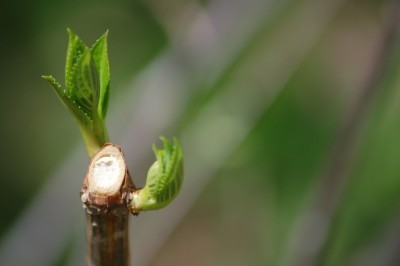
Propagating Houseplants by Cane Cuttings & Division
Two reliable vegetative methods—cane cuttings and division—multiply overgrown or bare-stemmed plants. Cane Cuttings For plants with thick, bare stems (Yucca, Dieffenbachia): Cut healthy stem from congested base, low to
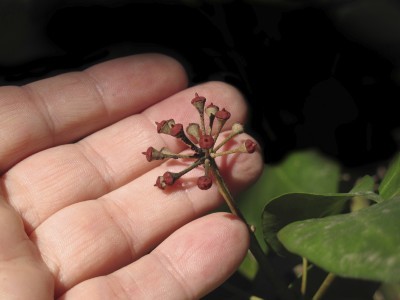
Propagating Houseplants from Seed: Complete Germination Guide
Growing houseplants from seed is rewarding and doesn’t require a greenhouse—a sunny room or kitchen windowsill works. Follow these steps for success. Preparation Warm, stable temperature; good light; no drafts. Space f
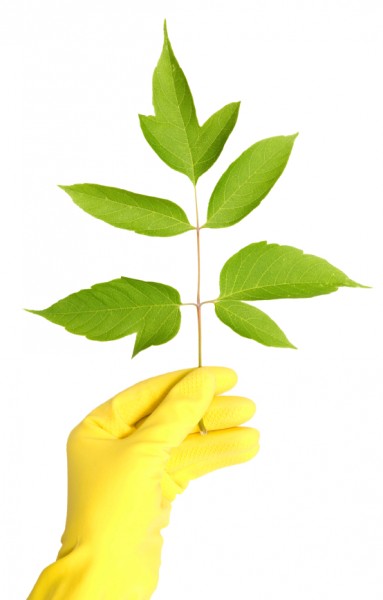
Handling Toxic Houseplants: Safety for People & Pets
Many stunning houseplants contain irritants or toxins. With precautions, you can enjoy them safely. Personal Protection Wear rubber gloves; avoid sap contact with eyes, mouth, wounds. Keep away from small children and
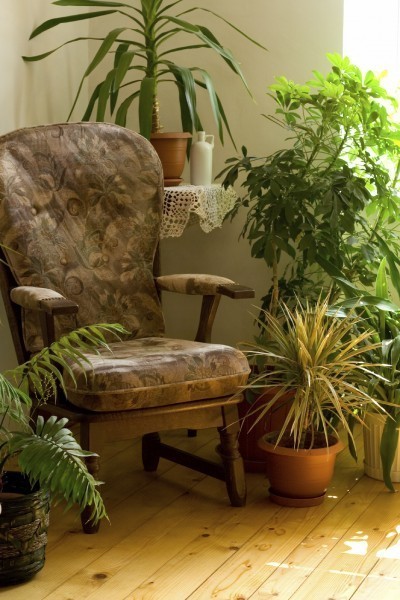
Foliage Houseplants: Selection & Environmental Mastery
Foliage plants—mostly tropical or arid natives—adapt to indoor conditions only when their specific needs are met. Success hinges on matching environment to species. Choosing Healthy Plants Buy from reputable sources. S
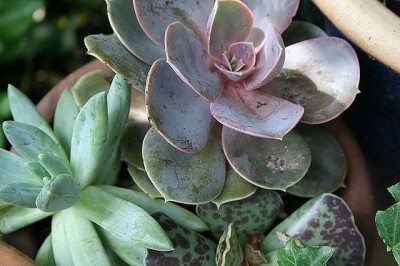
Fun & Unusual Houseplants: Cacti, Herbs & Edibles for Indoors
Beyond standard foliage, exotic cacti and indoor edibles add personality and utility to your plant collection. Cacti: Desert & Forest Types Desert cacti: Round, spiny, need bright direct sun (rare for indoors). Water c
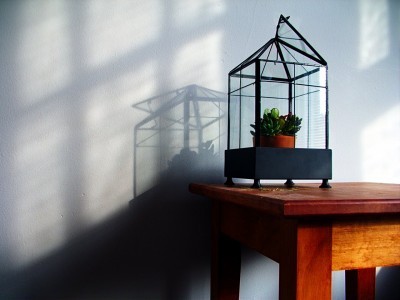
Houseplant Terrariums: Setup, Best Plants & Care Guide
Terrariums are self-sustaining, low-maintenance ecosystems based on the 19th-century Wardian case principle—condensation cycles water internally. Perfect for small, humidity-loving plants. How Terrariums Work Dr. Nathan
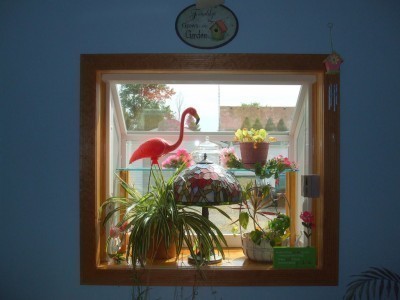
Plant Windows: Creating Indoor Greenhouses for Demanding Plants
Plants needing high heat, humidity, and light thrive in a plant window—a built-in, greenhouse-like enclosure. More feasible than a freestanding greenhouse for many homes. Types & Requirements Open plant window: Deep co
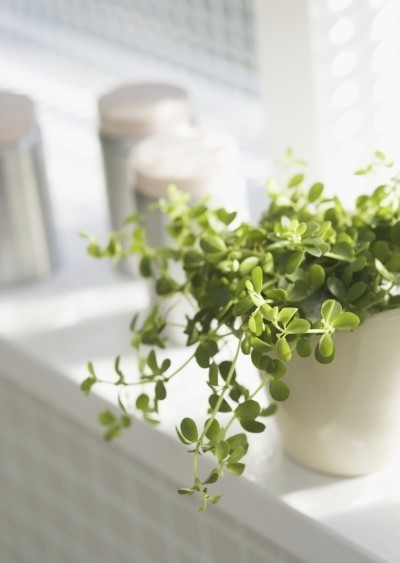
Where to Place Houseplants in Your Home: Room-by-Room Guide
Plants thrive when placed in conditions matching their native habitat. Light, temperature, and humidity vary by room—use this guide to match plants to microclimates. Assessing Your Space Light: Don’t trust eyes alone.
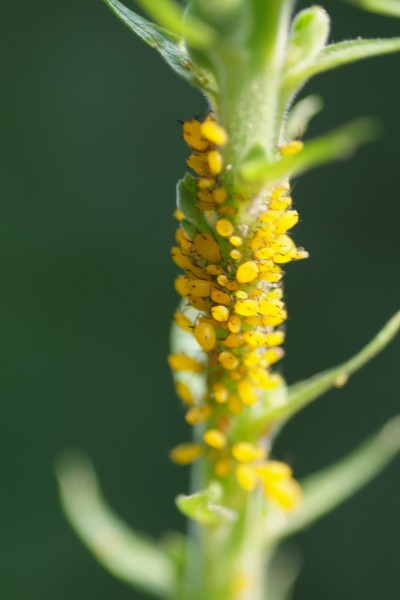
Common Houseplant Pests: Identification & Control
Indoor plants lack natural predators, making them vulnerable to pests. Regular inspection and prompt treatment keep infestations manageable. Major Pests & Controls Aphids: Green/black/pink/blue; cluster on new growth;
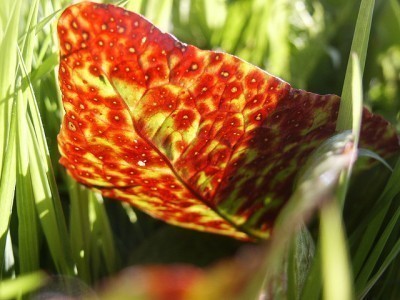
Common Houseplant Diseases: Gray Mold, Powdery Mildew, Rust & Viruses
Fungi cause most houseplant diseases. Early detection and targeted action prevent spread. Key Diseases Gray mold (Botrytis): Fluffy gray mold on dead tissue, spreading to live parts. Favored by damp, cool conditions (f
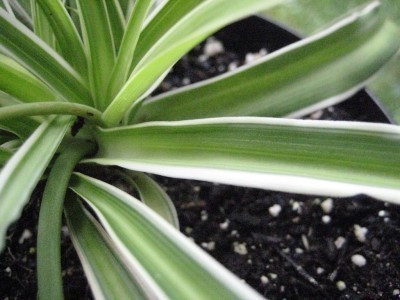
Using Pesticides on Houseplants Safely: Chemical & Organic Options
Indoor pesticide use demands caution. Read labels, protect people/pets, and choose the right product for the problem. Safety Rules Match product to plant and pest—some plants are pesticide-sensitive. Never spray in bri
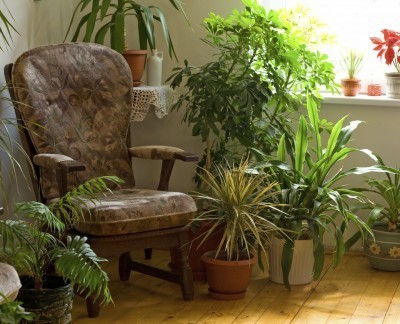
Keeping Houseplants Healthy: Preventing Pests, Diseases & Cultural Issues
Healthy houseplants resist pests and diseases naturally. Prevention through proper environment and routine care is far easier than treatment. Common Threat Categories Pests (insects): Aphids, scale, mealybugs, spider m
Copyright © www.100flowers.win Botanic Garden All Rights Reserved