







Taxus (Yew) Diseases: Identification and Management
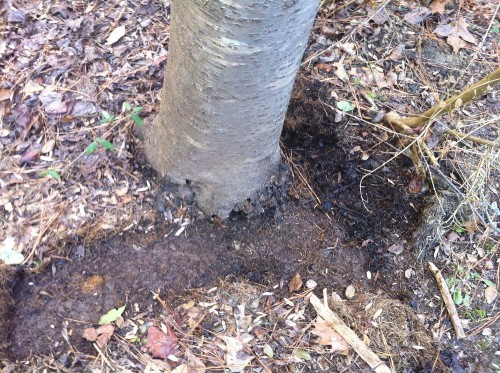
Common Diseases Affecting Taxus Species Yews (Taxus) are generally hardy but can suffer from a few key diseases, primarily related to excessive soil moisture and Phytophthora infection. Bleeding Canker Symptoms: Sap ooz

Sycamore Diseases: Symptoms, Causes, and Control
Major Diseases of Sycamore and London Plane Trees Sycamores and London plane trees face several significant diseases. Early identification and proper management can preserve tree health and aesthetics. Anthracnose Sympt
Common Spruce Diseases: Identification and Management
Overview of Spruce Diseases Spruce trees are susceptible to several fungal diseases that can cause significant damage if left unmanaged. Understanding the symptoms, pathogens, and effective management strategies is essen
Diplodia (Sphaeropsis) Tip Blight of Pine: Symptoms and Control
Diplodia tip blight, caused by Diplodia pinea (formerly Sphaeropsis sapinea), affects Austrian, Scots, ponderosa, mugho, red, and other 2- and 3-needled pines. The disease kills shoot tips and branches, reducing aestheti
Outdoor Rose Diseases: Identification and Management Table
Roses are susceptible to a range of diseases outdoors. The following table summarizes key diseases, symptoms, pathogens, and management strategies. DiseaseSymptomsPathogen/CauseManagement Anthracnose Dark purple to
Scheduling Disease Control in Woody Ornamentals: A Seasonal Approach
Effective disease management in landscapes requires a tailored, site-specific plan rather than a rigid calendar schedule. Pathogen activity depends on temperature, humidity, soil moisture, and other environmental factors
Rose Black Spot: Symptoms, Prevention, and Control
Black spot, caused by the fungus Diplocarpon rosae, is one of the most common and damaging diseases of roses. It attacks young expanding leaves and canes, leading to defoliation and weakened plants. Disease Cycle Fun
Redbud Diseases: Botryosphaeria Dieback and Canker
Redbud (Cercis canadensis) is a beloved spring-flowering tree, but it can be severely affected by Botryosphaeria dieback and canker, especially when stressed by drought or winter injury. Symptoms Leaves wilt and die as
Pyracantha Diseases: Dieback, Fire Blight, and Scab
Pyracantha (firethorn) is valued for its vibrant berries and evergreen foliage, but it is prone to several serious diseases. Recognizing symptoms early allows for effective intervention. Botryosphaeria Dieback and Canke
Privet Diseases: Gall and Twig Blight
Privet (Ligustrum) is a popular hedge plant, but it can be affected by two main diseases: Phomopsis gall and Glomerella twig blight and canker. Proper identification and timely pruning are key to maintaining healthy plan
Common Diseases of Poplar Trees: Identification and Management
Poplars are fast-growing trees often used for windbreaks, screening, and timber. However, they are susceptible to several fungal diseases that can cause cankers, dieback, and defoliation. Understanding these diseases hel
Plum Pox Virus: A Threat to Ornamental and Fruit Trees
Plum pox, also known as Sharka, is a devastating viral disease affecting Prunus species, including stone fruits and many ornamental varieties. First identified in Bulgaria in 1915, the virus spread across Europe and even
Pine Diseases: Needlecasts, Tip Blights, Gall Rusts, and Root Rots
Disease Reference Table DiseaseSymptomsPathogen/CauseManagement Cyclaneusma Needlecast Needles on Mugho, Scots, Austrian pines yellow with dark-brown bands Sept–Dec year after infection or Apr–Jun 2 years after. Bro
Pieris Phytophthora Root Rot: Prevention and Management
Disease Reference Table DiseaseSymptomsPathogen/CauseManagement Phytophthora Root Rot Plants stunted then wilt, yellow, die. Roots with few feeder roots die. Stem wood at soil level has red-brown discoloration. No o
Phytophthora Root Rot on Woody Ornamentals: Host Range, Symptoms, and Integrated Management
Phytophthora on African violet Pathogen and Hosts Fungus-like organisms in genus Phytophthora are soil- or plant-borne plant pathogens. Some species attack woody ornamentals: arborvitae, azalea, beech, Chamaecyparis,
Pachysandra Volutella Blight: Symptoms and Cultural Management
Disease Reference Table DiseaseSymptomsPathogen/CauseManagement Volutella Blight Brown to tan spots on leaves, small at first, enlarge to cover entire leaf. Concentric line patterns in brown spots as leaves yellow a
Oak Wilt: Ceratocystis fagacearum Spread, Diagnosis, and Management
Oak wilt occurs west of the Susquehanna River in Pennsylvania. Fungus Ceratocystis fagacearum attacks most oaks, especially red oak group (Quercus rubra; northern pin Q. ellipsoidalis; shumard Q. shumardii). American
Oak Leaf Blister: Taphrina caerulescens Symptoms and Control
Symptoms Spots ¼–½ diameter turn light green as young leaves expand. Cells in spots multiply more than surrounding cells → raised blister-like buckling. As spots age, upper surfaces become covered with buff-white fu
Oak Diseases: Anthracnose, Root Rots, Bacterial Leaf Scorch, and Oak Wilt
Disease Reference Table DiseaseSymptomsPathogen/CauseManagement Anthracnose Wet weather: young leaves blighted at bud break or large dead areas between veins on lower branches. Winter twig dieback. Slightly raised b
Nematode Damage on Woody Ornamentals: Symptoms, Diagnosis, and Management
Nematode eggs. Biology Nematodes are soil-dwelling non-segmented roundworms, usually <0.5 mm (0.02 in.) long. Plant-parasitic species have a hollow spear-like stylet pushed into plant cells. Enzymes forced through st
Copyright © www.100flowers.win Botanic Garden All Rights Reserved