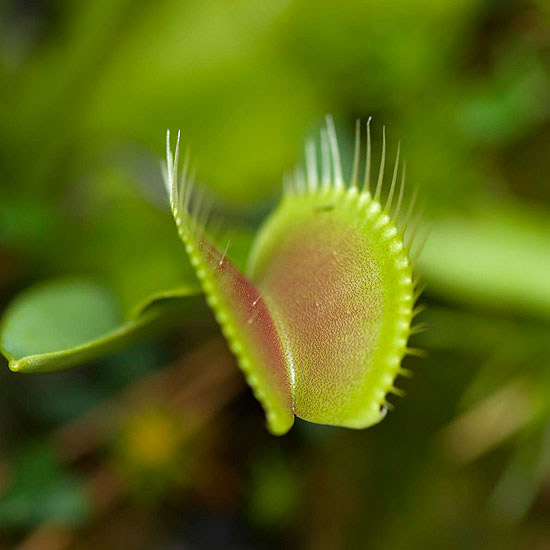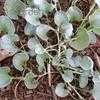

Venus Flytrap Frost Confusion: Frost Triggers Dormancy, Doesn't Kill
Moving flytraps to a garage at first frost (PA, Zone 6) prevents acclimation. Frost is essential—it triggers dormancy, just like for roses. Correct Action Leave plants outside. Theyll drop leaves and go dormant natural

Propagating Southern Dewthread (Drosera tracyi): Leaf Cuttings or Careful Transplant
In Florida panhandle (Zone 8b), you have ~1 month of growing season left. Leaf Cuttings Best in early summer with fresh growth. Cut new leaves into 1–2 strips, lay on moist peat, cover with plastic, under strong fluore
Venus Flytrap and Sarracenia Dormancy in Southern California: Mild Winters Are Sufficient
In SoCal (nights 50°F, days 70°F), keep Sarracenia and flytraps outdoors. Theyll experience a mild but adequate dormancy. Why Not Indoors? Bringing them inside disrupts natural cues and does more harm than good. Outdoor
Identifying a Nepenthes Flower Spike: "Feather" Growth Explained
A feather emerging from the top of a pitcher plant is likely a Nepenthes flower scape. It resembles a brush with tiny protrusions (flowers). What to Do Nothing—let it bloom. Flowering indicates a happy plant. Flowers s
"Big Mouth" Venus Flytrap: Marketing Myth vs. Reality
Theres no official Big Mouth cultivar—its unregistered with ICPS. Most sellers just pick the largest plant in stock. Truth About Trap Size Typical flytraps produce 1.5 traps with age and optimal care. Giant forms rever
North American Pitcher Plants in Eugene, OR: Cloudy Winters Are Fine
Our nursery (Eagle Creek, OR, Zone 8) grows all Sarracenia and flytraps outdoors year-round. Winter clouds dont matter—plants are dormant and dont need sun. Why It Works Dormant plants dont photosynthesize actively. Na
Nepenthes maxima Hybrid Slow Growth: Light and Soil Aeration Fixes
Three N. maxima hybrids in a terrarium with dappled light—only one growing. Two issues: 1. Light Intensity Maxima hybrids need very bright light (partial to full sun). Dappled light is insufficient. Move to unobstructed
Drosera binata multifida: Terrarium Not Needed, Flexible Dormancy
This fork-leaf sundew doesnt require a terrarium. It thrives in partial to full sun on a windowsill. Dormancy Options Not required: Grows year-round in warm, bright conditions (like in our greenhouse). Can go dormant:
Nepenthes Flowering on Cuttings and Sarracenia Winter Leaf Management in Zone 5
N. × Velvet cuttings often flower prematurely—remove the stalk to redirect energy to growth. Sarracenia Winter Prep (Zone 5) Trim leaves only when fully dormant (daytime ~40°F, consistent nightly frost). Keep leaves on
Nepenthes alata × merrilliana: Intermediate Grower, No Foliar Feed Needed If Catching Insects
This hybrid is intermediate (between highland/lowland), inheriting N. alatas adaptability and N. merrillianas size/color. It thrives in typical home conditions alongside N. × mixta. Acclimation Minimal—our plants are pr
Sarracenia Seedling Dormancy and Nepenthes Basal Shoot Division
For Sarracenia seedlings (Zone 6, 90 mi north of NYC): Seedling Winter Strategy Keep indoors under lights for faster growth. Can skip dormancy for 1–2 years. Acclimate to outdoors when mature. Outdoor Mature Plants
Frost Protection for Carnivorous Plants in Charlotte, NC (Zone 8)
North American natives (Sarracenia, Venus flytraps) in Zone 8 need minimal winter protection. Guidelines Leave outdoors uncovered all winter. Cover only when temps drop below 20°F (rare in Charlotte). Our nursery (also
Reviving Weak Nepenthes from Stores: Patience and Optimal Conditions
Store-bought Nepenthes often arrive in poor condition. Recovery depends on pre-purchase care—some pull through, others dont despite best efforts. What to Do Provide bright light, pure water, high humidity. No foliar fe
Utricularia longifolia Browning Leaves: Causes and Solutions
U. longifolia doesnt have a dry winter dormancy. Browning leaves usually indicate: Common Causes Age: Leaves naturally last ~6 months. Soil degradation: Old mix breaks down, becomes anaerobic. Remedy Repot in fresh 1
Spider Mites on Indoor Carnivorous Plants: Quick Treatment Guide
Webs on Sarracenia and Venus flytraps indoors with no visible bugs = spider mites. Common in dry indoor air. Treatment Spray with permethrin-based pesticide (follow label). Reapply in 7 days to catch hatchlings. Increa
Winterizing Sarracenia in South Dakota (Zone 4): Fridge Dormancy and Leaf Management
For a mixed Sarracenia collection in Zone 4 (SD), refrigerator dormancy at 40°F is practical. Key leaf-trimming guidelines: Leaf Retention Strategy Keep leaves on: S. purpurea, S. psittacina, Scarlet Belle (thicker lea
Drosera adelae Leaf Damage After Prey Capture: Normal Behavior
Blackened tentacle tips after catching insects is normal for Drosera adelae. The delicate tentacles can be damaged by struggling prey (especially ants, beetles). The plant compensates by rapidly producing new leaves. Pr
Growing Sarracenia Indoors in Northern Germany: Light Is the Limiting Factor
Sarracenia require 6+ hours of direct sun. In a German apartment (November), outdoor acclimation isnt possible before winter. Indoor growing demands replicating full sun. Indoor Lighting Requirements Fluorescent lights
Rescuing a Stressed Nepenthes bicalcarata: Light, Temperature, and Repotting
A newly arrived N. bicalcarata in poor shape needs specific corrections to recover. Immediate Fixes Replace the reptile basking bulb with a compact fluorescent (cool white). Incandescent/UV reptile bulbs have the wrong
Venus Flytrap Winter Dormancy Signs: Black Traps in Fall Are Normal
Blackening traps in fall (41–68°F) with new growth emerging is classic pre-dormancy behavior. The plant is shedding summer leaves, just like deciduous trees. What to Expect Growth will cease after repeated frosts and d
Copyright © www.100flowers.win Botanic Garden All Rights Reserved