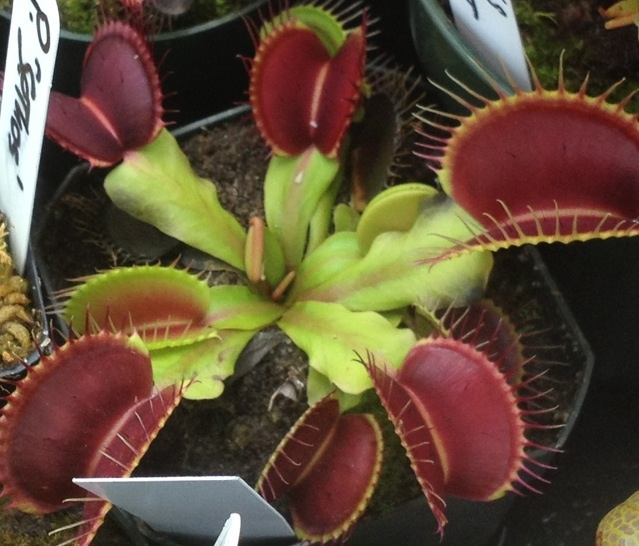
Normal Leaf Aging in Dionaea 'Ginormous': Feeding Giant Flytraps for Vigor
Black Spots on Leaves, Not Traps This is natural aging of older leaves. No fungus. High Food Demand Giant cultivars need regular feeding. Offer live insects if they haven’t eaten recently. Dionaea ginormous My terrar

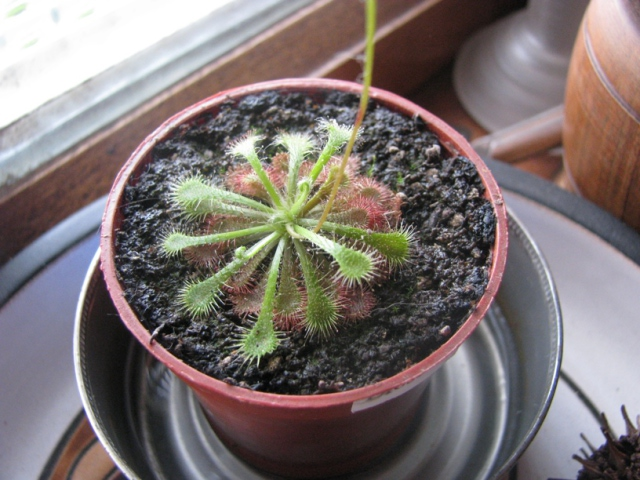
Drosera Spatulata Size Expectations: Mature Dimensions of the Spoon-Leaf Sundew
Mature Size Common forms reach ~6.3 cm (2.5 inches) across. Your 2 cm plant is a juvenile; it will grow larger with proper care. Drosera spatulata

Troubleshooting Black Leaf Tips on Young Drosera Capensis: Media, Light, and Algae Factors
Details Needed for Diagnosis Exact soil media used (brands, ratios). CFL wattage (not just color temp). Photo of setup. Black tips on new growth suggest media issues (fertilizer, salts), light burn, or algae competiti
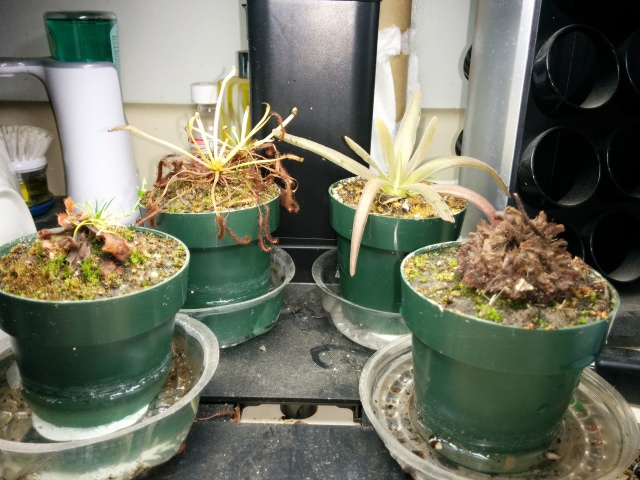
Hard Water Damage Mimicking Dormancy in Tropical Sundews: Repotting and Water Verification
Mineral Crust = Hard Water White deposits on pot/tray indicate dissolved minerals. Tropical sundews (capensis, spatulata) are sensitive; Pinguicula ‘Aphrodite’ tolerates hard water (grows in limestone). Fix Repot affec
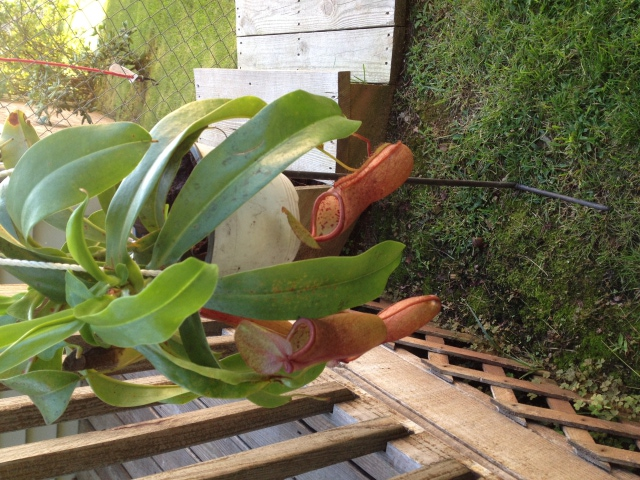
Identifying a Tropical Pitcher Plant: Nepenthes Hybrid Care Basics
What You Have A hanging pitcher plant in filtered light is a Nepenthes hybrid. Exact pedigree is usually unknowable due to similar appearance among hybrids. Care Starting Point Read the Nepenthes care guide: Sarracenia
Understanding Lumens Ratings on GE Daylight T12 Tubes and Heliamphora Temperature Needs
Lumens Per Bulb 2,900 lumens is per 40W T12 tube. Two tubes = ~5,800 lumens total. Heliamphora Leaf Browning Night temps of 70°F are too warm. In nature, days ~80°F, nights drop to 50s°F. Cool nights are critical; side
Choosing Between Bayer 3-in-1 and Rose & Flower Insect Killer for Carnivorous Plants
Product Comparison Bayer 3-in-1: Imidacloprid + Tebuconazole (fungicide) + Tau-fluvalinate (synergist). Use only if fungal issues coexist. Bayer Rose & Flower: Imidacloprid + Beta-cyfluthrin (pyrethroid, quick knockdown
Dormant Oil Sprays for Scale on Sarracenia: Petroleum vs. Canola-Based Products
Petroleum Oils Risky Dormant oils (petroleum-based) suffocate pests on woody plants. On herbaceous Sarracenia, they can cause phytotoxicity. Safer Alternative Canola-based horticultural oils are less harmful but still q
Using Urea-Free Orchid Fertilizer on Nepenthes: Soil Drench vs. Foliar Feeding
Application ¼ strength, every two weeks. Foliar feeding is preferred (carnivorous plants absorb nutrients through leaves). Occasional soil drench won’t harm long-fiber sphagnum moss. When to Skip If plants are actively
Insufficient Light for Venus Flytrap on East-Facing Windowsill: Relocating for Full Sun
2 Hours Sun = Failure Dionaea needs full sun (6+ hours direct), like a vegetable garden. An east window with 2 hours causes decline. Solution Move outdoors (UK climate similar to Pacific Northwest) or use strong grow li
Growing Nepenthes Maka Ula'ula Outdoors: Temperature Flexibility and Autumn Frost Warnings
Wide Temperature Tolerance This hybrid thrives in both highland and lowland regimes. Warm days are fine if nights cool. No strict night-drop required, but it tolerates one. Autumn Caution Protect from frost when nights
Refrigerator Stratification = Mold Factory Cold, dark, damp fridge is perfect for mold. Temperate seeds (Drosera intermedia, filiformis, rotundifolia; Sarracenia) need 8-week cold stratification. In nature, UV, rain, and
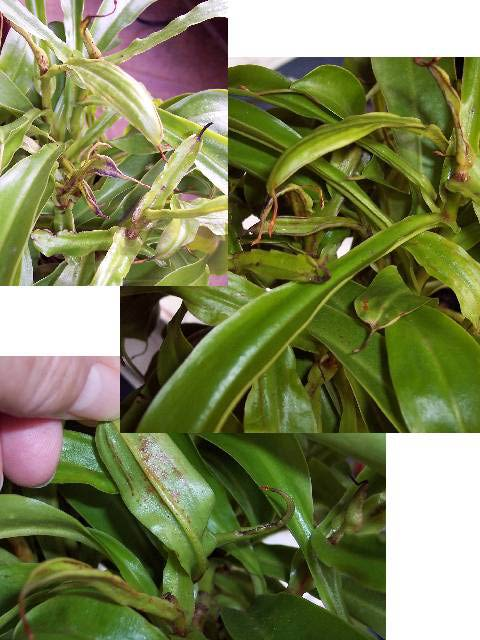
Adjusting Fertilizer for Nepenthes Pitcher Production: When to Stop Feeding and Repot
Over-Fertilization Stops Pitchering Weekly ½-strength orchid food caused lush leaves but tiny pitchers. The plant has no need to trap bugs. Correction Stop fertilizing now; let the plant use stored nutrients. Resume at
Preventing Algae Smothering of Venus Flytrap Seedlings: Boiling Water Treatment and Top-Watering
Algae Kills Seedlings Algae smothers tiny VFT seedlings. Older plants tolerate it. Prevention Rinse peat thoroughly in distilled water. Pour boiling water over peat, let cool, then sow. Kills algae spores. Gentle top-w
Caring for Red Cape Sundew and Drosera Filiformis var. Tracyi: Light, Dormancy, and Growth Rate
Red D. capensis Treat exactly like standard capensis. Same South African origin. Slightly less vigorous, occasional quirks, but care identical. D. filiformis var. tracyi Native to Florida panhandle (zone 8). Needs winte
Fluorescent Tube Coverage: Do You Need Full-Length Illumination Over Your Grow Tank?
Partial Coverage Is Fine Intensity drops sharply at tube ends. If plants only occupy half the tank, lighting half the tube length is sufficient. Mylar sides reflect light back, improving uniformity.
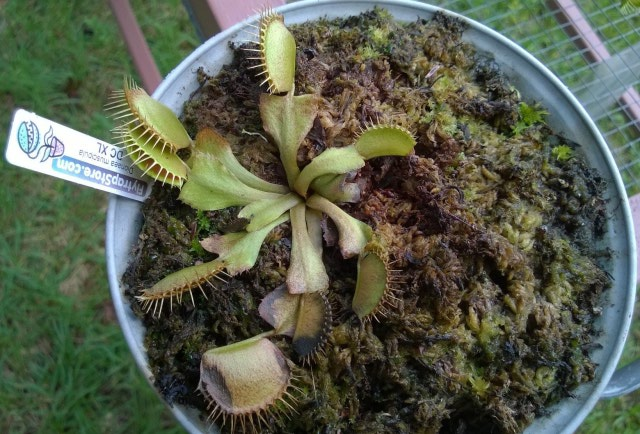
Diagnosing Brown Edges on Venus Flytraps: Water Depth, Temperature, and Drainage Checks
Information Needed Watering method: tray system? Depth? Recent temperatures. Pot drainage holes? Photos of healthy neighbors and overall setup. Rusty-brown margins often indicate waterlogging, heat stress, or fungal i
“Highland” Is Nepenthes-Specific The term refers to nighttime temperature drop requirements in Nepenthes/orchids. Drosera capensis prefers mild days/nights—no night drop needed. Darlingtonia clones (coastal vs. mountain)
Seasonal Care for Drosera Hybrids and Nepenthes: Dormancy Timing and Cold Snap Thresholds
D. filiformis × intermedia (× hybrida) Fully dormant by autumn in Missouri. Hibernaculum formation now is normal. Nepenthes Cold Threshold Bring indoors when nights hit low 40s°F. N. × ventrata, ‘Miranda’ (lowland ances
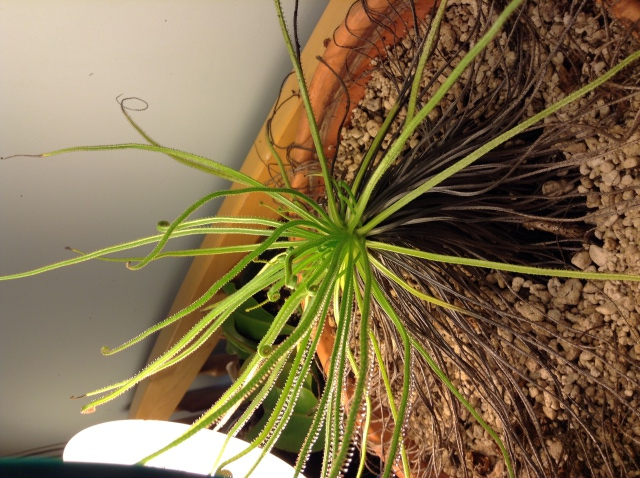
Reviving a Struggling Drosophyllum: Proper Watering Frequency and Feeding Live Insects
Watering Feel the soil—should be slightly damp. Top-water when dry to the touch; water until runoff. In heat, they drink heavily. Don’t let sit in water long-term. Feeding Drosophyllum has high nutritional demand. Provi
Copyright © www.100flowers.win Botanic Garden All Rights Reserved