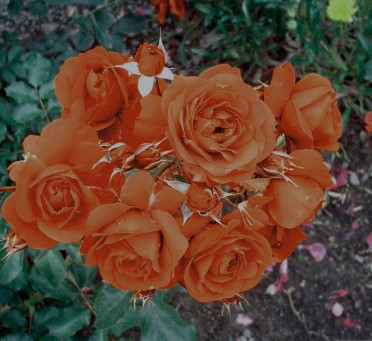



King Henry Flytrap Care: Leaf Lifecycle and Sun Benchmark
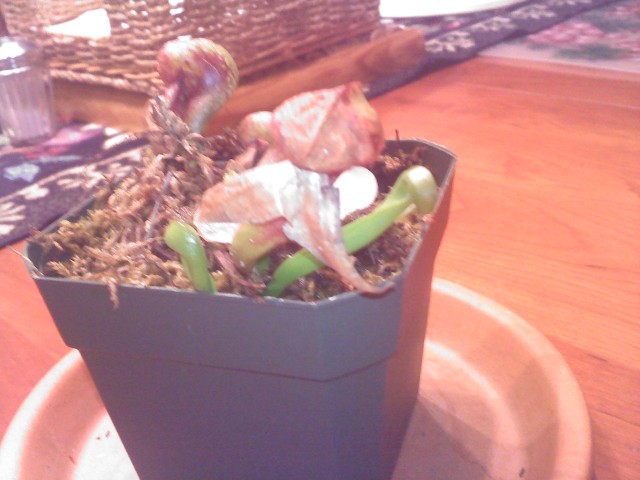
Julia, a new grower in Portland, OR, asked about her King Henry flytrap: whether to trim stems after heads (traps) die back in 1–2 months. Plant lives outdoors with daily watering and water-tray changes. Terminology Cor

Mold on Venus Flytrap Seeds: Sun and Sterile Media Over Home Remedies
John has green mold on VFT seed pots and prefers homemade remedies (Dr. Bronners soap, ladybugs, lacewings) over commercial fungicides. Effective Non-Chemical Approaches Sun exposure: UV light kills fungal spores. Pre-
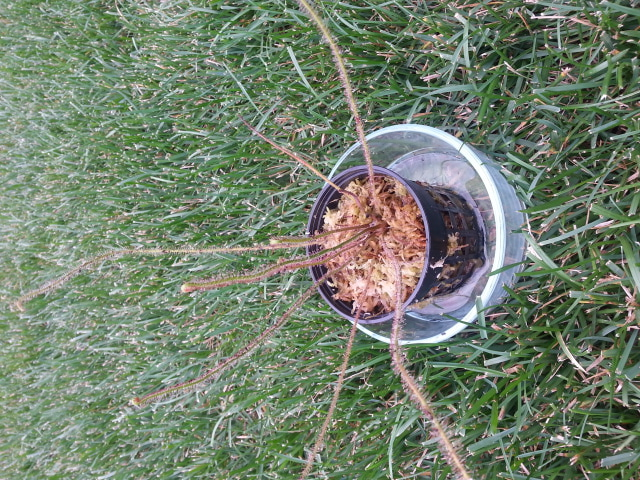
Drosera filiformis Blackening: Dormancy or Root Heat Stress?
sundew in distilled wa the dead-looking leave Jiung in southern Michigan reported a threadleaf sundew (2 months old, pure sphagnum, 6 hrs direct sun, tray watering with distilled water) developing black, dead-looking ne
Rainwater in Northern Virginia: Safe for Flytraps and Sundews
Andrew asked if rainwater collected in northern Virginia is suitable for his King Henry Venus flytrap and Drosera filiformis. Rainwater Is Ideal—With One Caveat Jeff Dallas confirmed rainwater is excellent for carnivoro
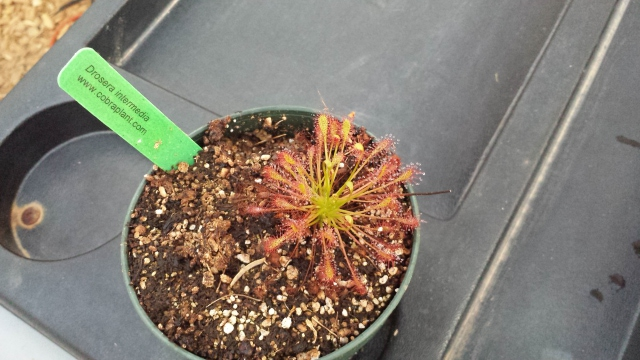
Drosera intermedia Seeds Require Cold Stratification
Drosera Intermedia Jason harvested seed from his D. intermedia and asked if cold stratification is needed. Yes—All North American Perennials Need It Jeff Dallas confirmed: except for Venus flytraps, all North American
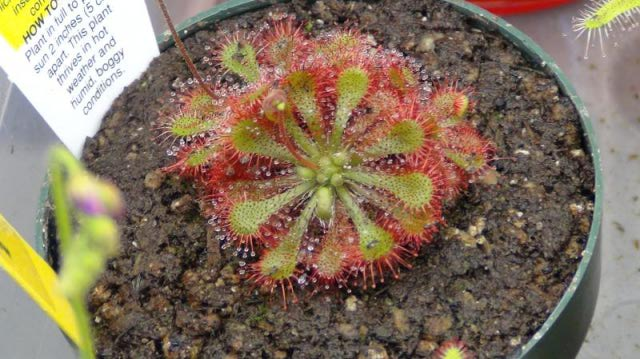
Sudden Dew Loss on Drosera spatulata: Environmental Shock Suspected
D. Spatulata before D. Spatulata after Jeff (the questioner) purchased a D. spatulata from Sarracenia Northwest in June. It thrived under 4×6500K T8s (82°F day/74°F night, tray watering, distilled water) until dew vanis
Drosera capensis in Eastern Washington: Indoors Only for This Highlander
John from Ellensburg, WA (hot summers, 90°F+ July days, occasional 100°F) asked whether his D. capensis Narrow Leaf seeds from California Carnivores would fare better on a sunny east windowsill or outdoors. Indoor Recom
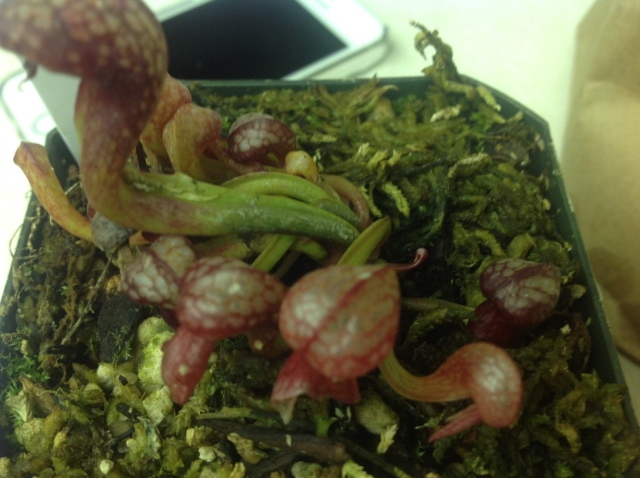
Darlingtonia's Natural Growth Angle: No Repotting Needed
My Plant A Closer Look Logan received a mail-order Darlingtonia californica (cobra lily) with pitchers emerging at an odd angle, assuming it was planted crooked and asking if spring repotting would fix it. Normal Growt
Nepenthes rajah: Why It's Not for Beginners (or the Impatient)
Matt, a previous customer, asked about purchasing Nepenthes rajah—either a plant or free cuttings—calling it amazing but unavailable elsewhere. Reality Check Jeff Dallas explained why Sarracenia Northwest doesnt carry i
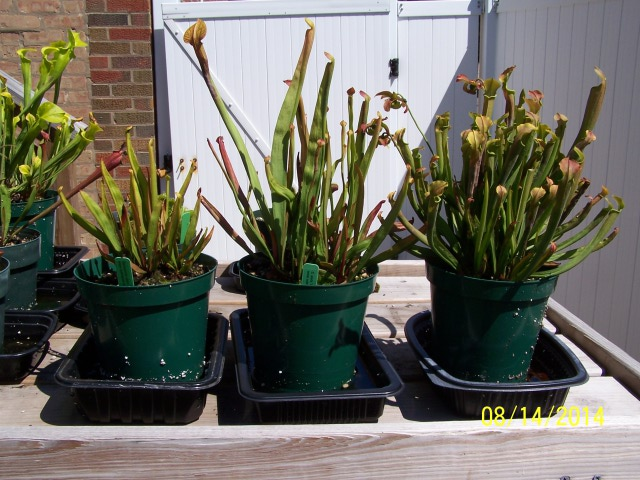
Stunted Sarracenia alata in Cool Midwest Summer: "Green Tomato Summer" Effect
Sarracenia S. alata Brian from Chicago (Zone 5) reported his S. alata producing unusually small pitchers compared to last year and to his S. rubra wherryi. Conditions: 9 hours direct sun, 50/50 peat/perlite, rainwater t
Fungus Gnat Larvae in Venus Flytraps: Spinosad and Mosquito Dunks
Alan returned with a follow-up on his Dionaea King Henry flytraps showing small holes and a worm-like culprit he identified as fungus gnat larvae. The pests were chewing nectar glands and affecting new growth, but only o
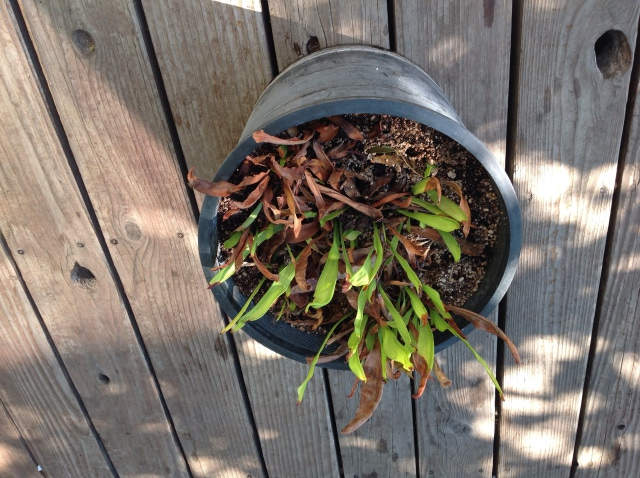
Misidentified Plant: "Dying Nepenthes" Turns Out to Be Sarracenia
Nepenthes Joanne from Eastern Washington sent photos of a struggling plant she believed was a Nepenthes that had stopped producing pitchers after 8+ years. The plant showed only leaves and appeared to be declining in he
Why No Nepenthes Seed Growing Guide? The Short Answer: Viability Window
A reader asked why Sarracenia Northwest doesnt publish a Nepenthes seed germination guide. Jeff Dallas explains the practical reasons behind this gap. Extremely Short Viability Unlike Sarracenia or sundew seeds—which re
White Cottony Growth on Threadleaf Sundews: Mineral Deposits, Not Mold
Bill noticed a white, cottony substance on the crowns of his temperate Drosera filiformis (dewthreads) growing outdoors in full-sun tray systems. Concerned it might be a fungal issue, he asked for diagnosis and treatment
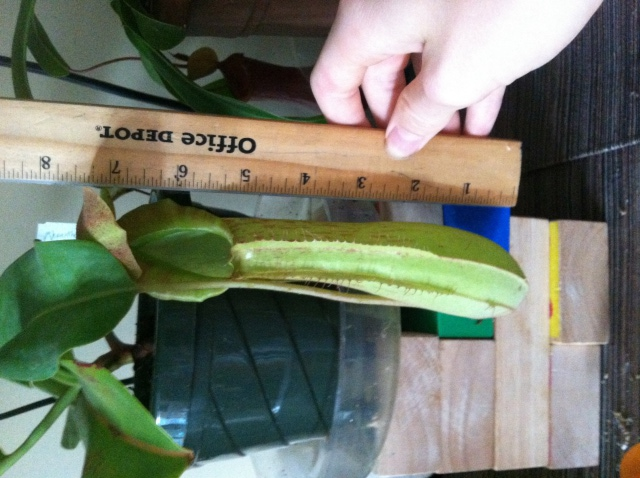
Identifying a Mystery Nepenthes Hybrid: Truncata x Veitchii?
A reader named Jack reached out with photos of an unidentified Nepenthes, suspecting it might be a Nepenthes truncata × veitchii hybrid. The plant shows a distinctive pitcher shape and leaf structure that strongly sugges
Why Seed Kits Fail Beginners Mixed temperate species (Drosera intermedia, filiformis, rotundifolia; Sarracenia) require 8-week cold stratification. Fridge stratification without fungicide = mold kills seeds. Dionaea see
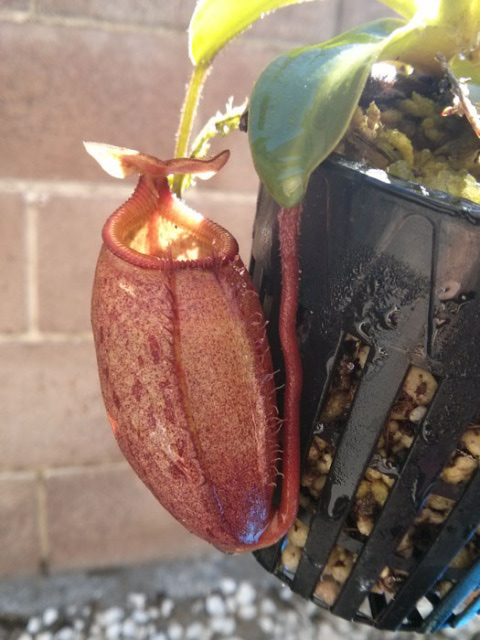
Demanding Parents Both N. rajah and N. mira are difficult even for experts: high humidity, bright light, moderate days (≤85°F), cool nights (<60°F), very slow growth. Hybrid vigor helps but doesn’t guarantee ease. Seedl
To Cut or Not to Cut Flopping Sarracenia Pitchers: Nutrient Absorption vs. Aesthetics
Leave Green Pitchers Flopping but fully green pitchers are still absorbing nutrients from captured prey. Let them finish. Trim in Winter Cut brown pitchers in winter. If display demands it, you can trim earlier—minor im
Off-Season Flowering in Sarracenia Flava: A Common but Seedless Occurrence
Late Summer Buds Early-season species (S. flava, S. oreophila) often produce flower buds in August. They rarely mature seeds before frost, but the bloom is a nice bonus.
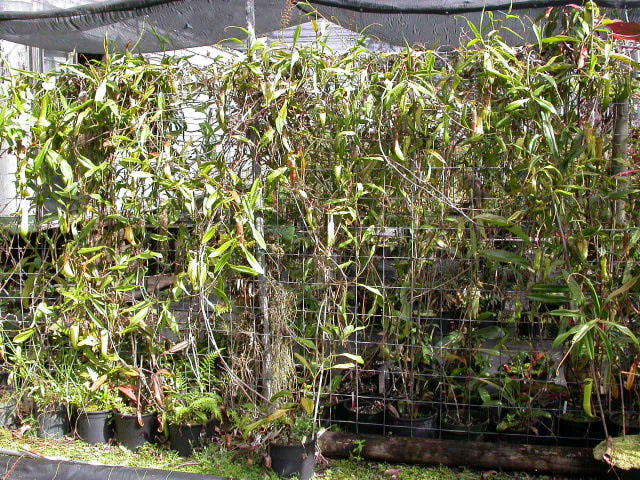
Managing Vining Growth in Nepenthes 'Miranda': Pruning, Cuttings, and Support
Natural Habit Nepenthes are vines. Stems become woody and brown at the base as the tip extends. ‘Miranda’ gets very large. To Keep Bushy Cut back the stem. Root the cutting; the base will sprout new shoots from dormant
Copyright © www.100flowers.win Botanic Garden All Rights Reserved