

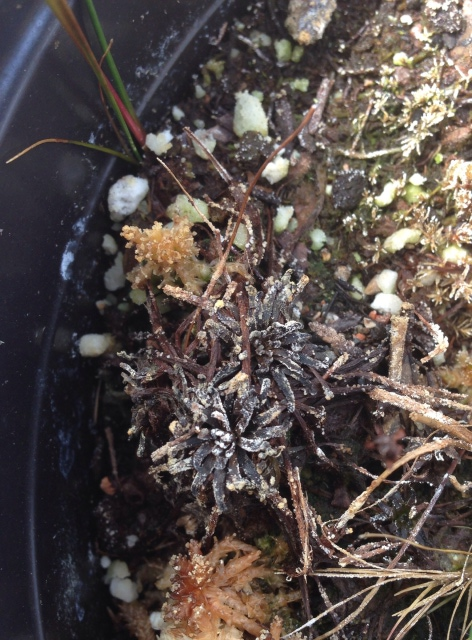
Why Temperate Sundews Fail in Basement Dormancy: The Outdoor Advantage
A growers temperate Drosera intermedia thrived summer through fall, formed hibernacula, overwintered in a cool basement with fungicide treatments, but died upon spring emergence. What went wrong? The Indoor Dormancy Tra


Flowering Drosophyllum: Should You Remove Flower Stalks for Leaf Production?
A Belgian growers 1.5-year-old Drosophyllum (dewy pine) flowered beautifully but stopped producing leaves, instead forming flower buds in leaf axils. Is this normal, and should the stalks be removed? Natural Growth Cycl
Slow Spring Growth After Winter Freeze: Patience for Sarracenia and Flytraps
An Oregon growers Sarracenia and Venus flytraps show minimal growth after a winter freeze event. Plants left outside in solid ice may have survived, but recovery timing varies. Assessing Freeze Impact Severity depends o
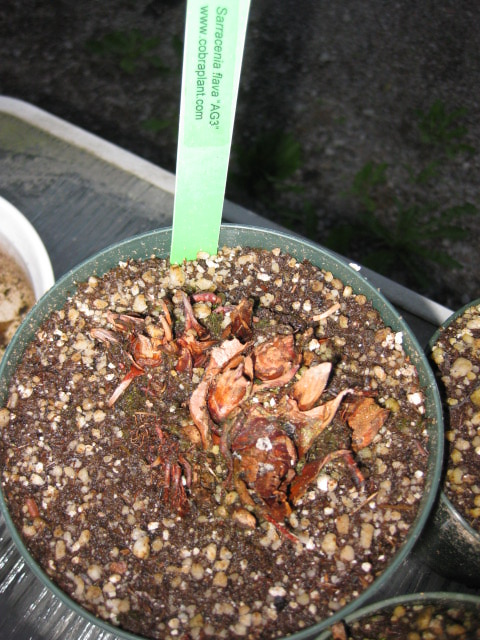
Assessing Winter Survival in Sarracenia: When to Give Up on Frozen Plants
After a harsh winter in Vancouver, WA, a grower faces seemingly dead Sarracenia—including a prized 3-year-old S. flava AG3 that produced 2-foot pitchers last season. How do you know if theyre truly gone? The Rhizome Tes
Building an In-Ground Bog Garden: Drainage Design and Soil Mixes for Sarracenia
Constructing a 4×8 foot in-ground bog garden requires careful drainage planning. A South Dakota grower seeks guidance on liner drainage holes, soil composition, and climate-appropriate materials. Drainage Hole Placement
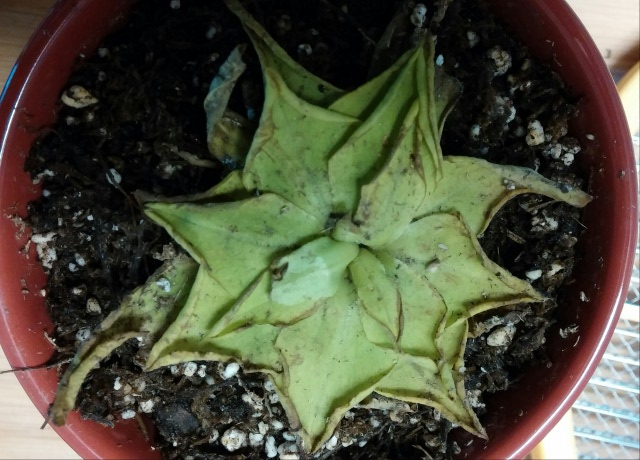
Reviving a Bare-Root Butterwort: Transplant Shock Recovery for Pinguicula lutea
Receiving a bare-root butterwort (Pinguicula lutea) can be exciting, but the transition often triggers transplant shock. A Florida growers newly acquired plant declined rapidly despite careful potting and attention. Rec
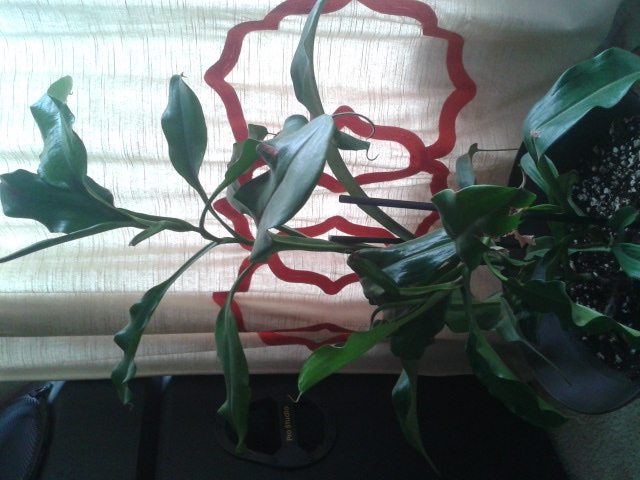
Persistent Pests on 'Poi Dog' Nepenthes: Treatment Strategies and Light Requirements
Dealing with recurring pests on Nepenthes can be frustrating, especially when treatments seem to work temporarily but infestations return. A grower in Oregon shares their year-long battle with tiny clear/silver bugs on t
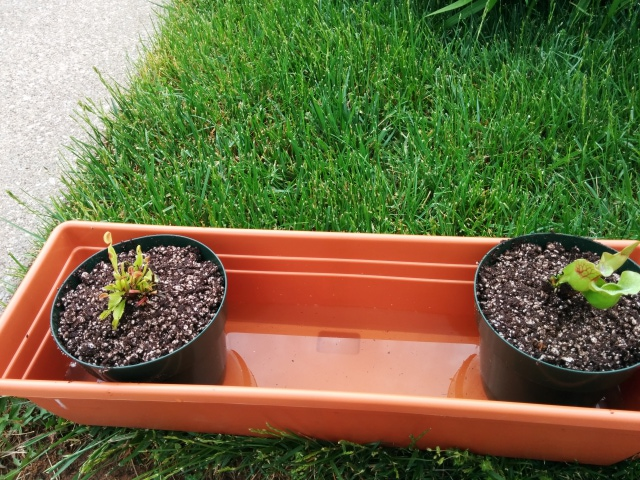
Using Mosquito Dunks in Bog Gardens: Safe Pest Control for Carnivorous Plants
Creating a bog garden brings the joy of carnivorous plants outdoors, but standing water can become a mosquito breeding ground. The good news? Mosquito dunks offer safe, effective control without harming your precious pla
Moving Cape Sundews Outdoors: Acclimation Tips for Cleveland Growers
As spring arrives in Cleveland, many carnivorous plant enthusiasts wonder if their Cape sundews (Drosera capensis) can transition from windowsills to outdoor patios. While daytime temperatures may be favorable, moving th
Transplant Shock vs. Acclimation Stress in Carnivorous Plants
Distinguishing the Problems Your Venus flytrap and purple pitcher plant (Sarracenia purpurea) show symptoms after repotting and moving outdoors. Two distinct issues: Transplant shock: Root disturbance during repotting.
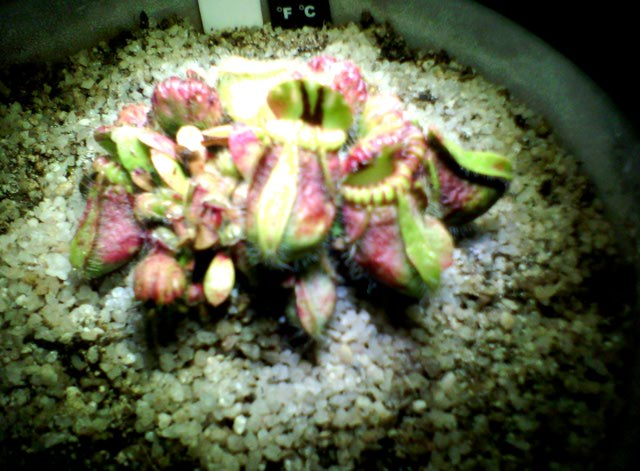
Cephalotus Sudden Collapse: Seasonal Change or Care Error?
Diagnosing the Collapse Your Cephalotus follicularis (Albany pitcher plant) showed classic signs of natural seasonal dieback: year-old pitchers browning and dying off simultaneously. This is normal—pitchers have a finite
Managing Live Sphagnum Moss in Sarracenia Pots
Benefits of Live Sphagnum Live sphagnum moss is an excellent medium for Sarracenia—plants often grow faster and larger. However, it grows vigorously and will bury the plants growing points (rhizome tips) if unchecked. M
Are My Old Carnivorous Plant Seeds Still Viable?
Seed Viability and Germination Timing Carnivorous plant seeds vary widely in longevity and germination speed. Key points: Dont bury seeds. Most require light to germinate—press gently onto moist surface. Orientation doe
Finding Grow Lights for Carnivorous Plants in Ohio
Where to Buy Suitable Lights Since local stores may not carry appropriate bulbs, online retailers are your best bet: Amazon, Home Depot, Lowes – search for T5 HO grow lights or high-output fluorescent plant lights. Hydr
Applying Systemic Insecticide to Newly Divided Sarracenia
Safe Timing for Insecticide Application You can spray systemic insecticides (like Bayer Advanced 3-in-1) on recently divided Sarracenia immediately. These products are formulated for low phytotoxicity and wont harm the p
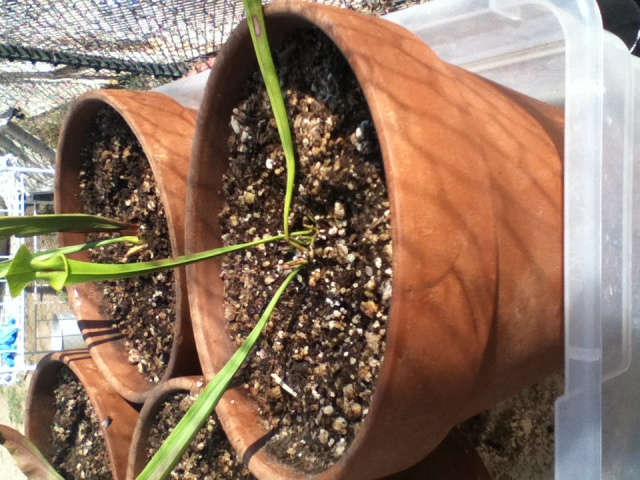
Sarracenia Flava Summer Rest: Normal in Hot Climates
Why Growth Stops in Summer In West Texas/New Mexico border regions, Sarracenia flava often emerges early in spring, then enters a summer rest when temperatures hit 90°F+. This is a natural adaptation to preserve moisture
Growing Carnivorous Plants in Tropical Climates: Puerto Rico Guide
Matching Plants to Your Conditions Success in tropical regions like Puerto Rico (65–91°F, heavy rainfall) depends entirely on providing sufficient light. Most tropical carnivorous plants (Nepenthes, tropical Drosera, Mex
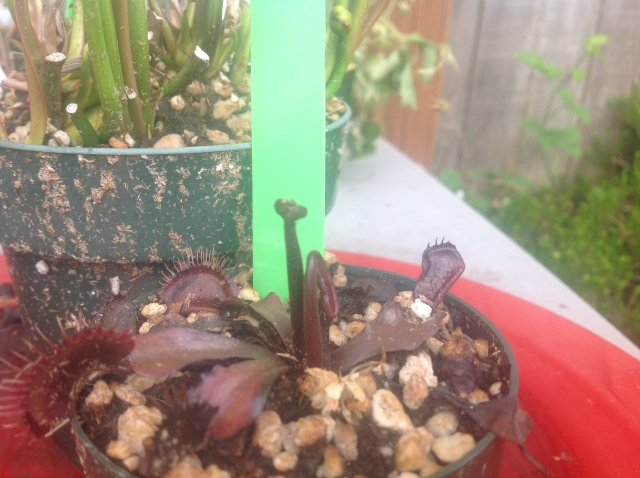
Red Dragon Flytrap Slow Growth: Flower Stalks Don't "Rob" Energy
Understanding Seasonal Growth Patterns Venus flytraps are often the last North American carnivorous plants to emerge from dormancy. Slow spring growth is normal, especially if temperatures have been cool. Your plants def
Transplant Shock in Venus Flytraps: Patience Is the Only Cure
Recognizing Transplant Shock Repotting actively growing Venus flytraps often causes transplant shock—especially when roots are disturbed. Symptoms include wilting, browning traps, and stalled growth. The plant redirects
Osmocote Fertilizer: Safe for Sarracenia Seedlings, Deadly for Venus Flytraps
Osmocote for Sarracenia: Use With Caution Osmocote (a slow-release fertilizer) can accelerate growth in Sarracenia seedlings when used correctly. Research shows it helps young pitcher plants mature faster. However, preci
Copyright © www.100flowers.win Botanic Garden All Rights Reserved