

Nepenthes ventricosa Arrives Without Pitcher Fluid: Normal Shipping Practice
Growers drain pitcher fluid before shipping to prevent spills and rot. Fluid may or may not return—new pitchers replace old ones. Expect new pitchers in 2 months to a year, depending on conditions. What to Do Dont add

Water for Carnivorous Plants: Tap in Humidity Trays, Pitcher Filling, and Rainwater Storage
Hard tap water is fine in humidity trays (mineral buildup is cosmetic only). Never use it in soil. Filling Nepenthes pitchers is unnecessary but harmless if using distilled water. Mucky rainwater is acceptable unless roo
Venus Flytrap Recovery After Neglect: Skip Dormancy, Grow on Windowsill
If a Venus flytrap is weak after 3 weeks without care, forcing winter dormancy may kill it. Instead, grow it on a sunny south windowsill through winter. Why Skip Dormancy? Plant lacks stored energy (starches) to surviv
Terrarium vs. Windowsill for Mixed Carnivores in Canada: Light, Dormancy, and Species Separation
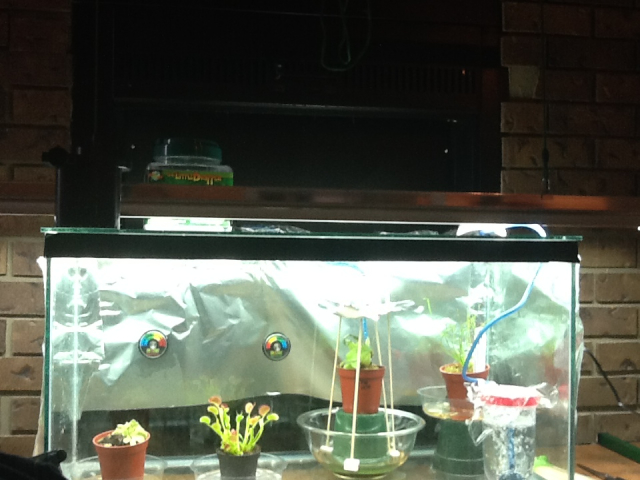
A 20-gallon terrarium with a single fluorescent tube (5,000 lumens) is grossly inadequate for Dionaea, D. tracyi, and N. mirabilis. These plants need 25,000+ lumens and seasonal cues. Critical Issues Light: 10× too dim
Sarracenia minor var. okefenokeensis: Peat/Perlite Works Fine—No Need for Live Sphagnum
S. minor var. okefenokeensis grows well in standard 50/50 peat/perlite. Live sphagnum speeds early growth but isnt necessary long-term. Avoid dried sphagnum—it breaks down poorly. Best Media Standard: 50% peat moss, 50
Large Leggy Nepenthes (Likely 'Miranda'): Light Fixes, Repotting, and Pitcher Return
A leggy, pitcher-less Nepenthes after a year indoors is almost certainly N. Miranda (a common N. maxima × ventricosa hybrid) suffering from insufficient light. Diagnosis Leggy growth + no pitchers = light starvation. P
Nepenthes ventricosa: Brown Growing Tip After Repotting—Humidity Shock, Not Root Rot
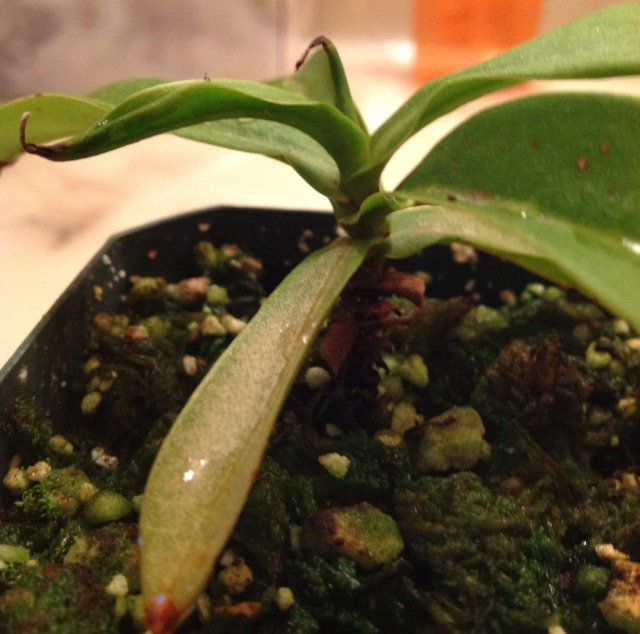
A brown, drying growing tip on a recently repotted N. ventricosa in sphagnum moss is likely humidity shock—not root rot. The stem looks healthy; roots are probably fine. Why It Happens Repotting + increased light + low
Repotting Heliamphora: When to Change Soil and Diagnosing Small Pitchers
Heliamphora soil lasts 2–4 years if the plant is healthy. Repot only when dividing, upsizing, or if growth declines. Small Pitchers? Check These First New shoot: Small pitchers are normal on a new growth point. Nutrien
Growing Sarracenia Outdoors in Southern California: Tap Water Tolerance and Testing
Sarracenia (North American pitcher plants) are sensitive to dissolved minerals. Before using tap water, test your TDS (total dissolved solids). Water Quality Threshold ≤ 50 ppm TDS: Safe for carnivorous plants. 50 ppm
Nepenthes jamban Decline from Coffee: Flush, Repot, and Avoid Sugar Water
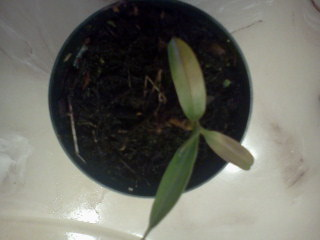
Yellowing outer leaves and stunted growth on N. jamban after biweekly coffee feeding indicate root damage from nutrient buildup. Sugar water is not a remedy—it harms roots by altering osmotic potential. Why Coffee Cause
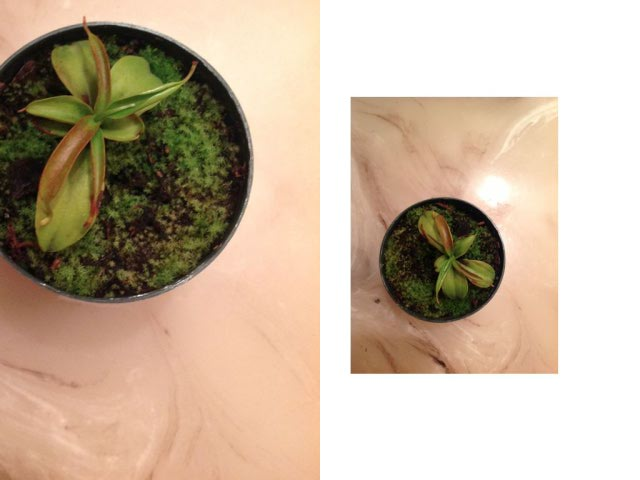
Nepenthes mira and Coffee Fertilizer: Signs of Overfeeding and Recovery
Thin, elongated leaves on Nepenthes mira after coffee fertilization indicate nutrient burn. Coffee adds organic nitrogen that can damage roots in small pots. Symptoms of Overfeeding New leaves much narrower than old on
Nepenthes Cuttings: Vine vs. Basal Shoots, and Controlling Pitcher Type
Whether a Nepenthes cutting produces upper or lower pitchers depends on cutting length and tip retention. Cutting Types & Outcomes Long cutting with tip intact: Continues vining → upper pitchers. Short cutting with
Fungus Gnats in Nepenthes: Systemic Insecticide Treatment
Small flies on Nepenthes soil are likely fungus gnats. Larvae feed on roots, weakening the plant. The solution is a systemic insecticide applied as a soil drench. Treatment Use imidacloprid (Bayer 3-in-1) or acephate (
Choosing Fluorescent Tubes for Heliamphora: Lumens, Wattage, and Efficiency
Replacing grow lights for Heliamphora? Focus on lumens per watt and light quality, not just wattage. Modern 32W T8 tubes can outperform older 40W T12s. What Matters Lumens: Total light output. Aim for 3,000+ lumens per
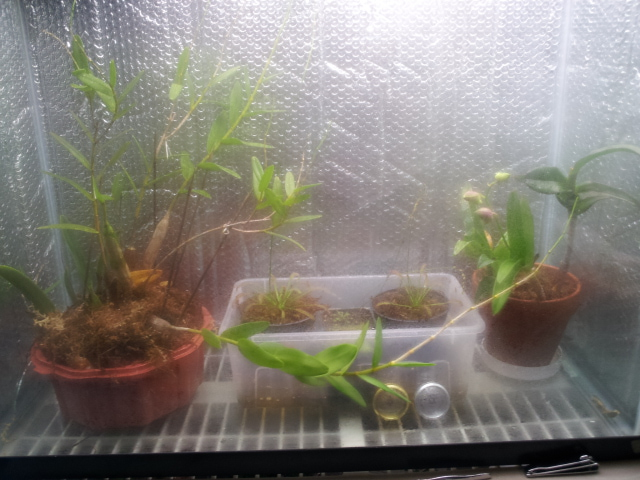
Air Circulation and Humidity for Nepenthes and Pinguicula: Why Terrariums Are Often Unnecessary
Many growers believe high humidity requires a terrarium. In reality, most tropical carnivorous plants thrive at 40–60% household humidity if given strong light and proper soil moisture. Key Principles Humidity: Bright
Sarracenia Leaf Pullings: Water vs. Media, Strike Rates, and Best Practices
Leaf pullings work reliably only for S. psittacina and S. purpurea. For other species, success is low and inconsistent. At Sarracenia Northwest, we use live sphagnum moss—not water or peat—for pullings. Why Water Propag
Why You Shouldn't Combine Nepenthes, Drosera, and Pinguicula in One Container
While a community bog looks appealing, Nepenthes, Drosera, and Pinguicula have fundamentally different needs: GenusSoilWateringLightHumidity NepenthesAiry, orchid-basedTop-water, drain freelyBright indirect60–80% Drose
Heliamphora and Sarracenia Pitcher Water: Hydration Myths and Root Health
Letting Heliamphora soil dry out—even for a day—can cause irreversible wilting of developing pitchers. Meanwhile, filling Sarracenia purpurea pitchers with water is unnecessary; they hydrate through roots, not pitchers.
Venus Flytrap Flowering in Fall: Off-Cycle Blooms and Dormancy Management
Venus flytraps (Dionaea muscipula) flowering in September–October are responding to artificial or disrupted light cycles—not the season. In nature, they flower in spring (March–May) after winter dormancy. Why It Happens
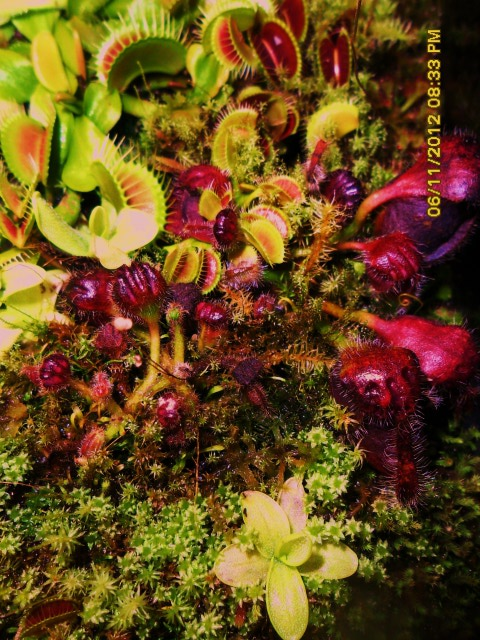
In coastal Central California (Zone 16, frost-free), Cephalotus follicularis (Albany pitcher plant) can thrive outdoors year-round—but a terrarium offers control for a first-time grower. Outdoor vs. Terrarium Outdoors:
Copyright © www.100flowers.win Botanic Garden All Rights Reserved