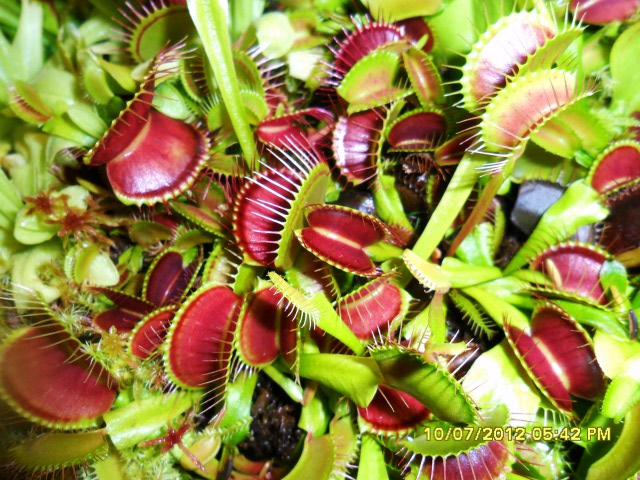
Diagnosing Venus Flytrap Leaf Deformities: A Systematic Checklist
A grower has two 6-inch pots of flytraps in an aquarium; one thrives, the other shows blackening leaf edges, pear-shaped malformed traps, and plant loss. The expert (Dan) requests a full diagnostic checklist before presc


Venus Flytrap Sunburn and Fertilized Peat: Diagnosis and Recovery
A Southern California grower put a death cube Venus flytrap into 6 hours of direct sun at 100°F – all leaves burned, new traps lack teeth. The expert identifies two causes: no hardening off (plants in cubes need gradual
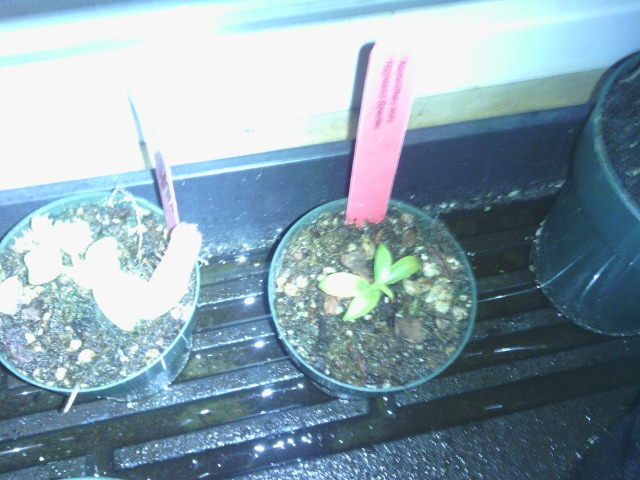
Slow-Growing Nepenthes rafflesiana and N. mira: Heat, Fertilizer, and Patience
A Colorado grower struggles with N. rafflesiana (giant) growing 1 leaf per 1.5 months in highland conditions, and N. mira stagnant for a year. The expert advises: N. rafflesiana is a lowlander – needs days in upper 80s°F
Ultra-Highland Nepenthes: Temperature Demands and Coir for Seed Germination
A grower asks about ultra-highland species (N. rajah, aristolochioides, villosa, edwardsiana, macrophylla) and using coir for seed germination. The expert confirms all need days in the 70s°F, nights in the 50s–60s°F with
Long-Fiber Sphagnum vs. Peat/Perlite: Soil Mix Longevity for Carnivorous Plants
A grower uses 1:1 long-fiber sphagnum (LFS) to peat moss for a Venus flytrap and asks if it causes rot. The expert says short-term its fine, but LFS breaks down quickly in constantly wet conditions, becoming anoxic and m
Kiddie Pool Bog Gardens: Black Plastic, Natural Ecosystems, and Heat Management
A grower asks about the nurserys outdoor setup: Sarracenia in kiddie pools covered with black plastic. The expert explains the black plastic (4-mil sheeting) shields pools from UV degradation, extending lifespan from 1–2
Sunlight Needs for Nepenthes distillatoria: Bright, Not Direct
A tropical-country grower asks if Nepenthes distillatoria needs direct sun. The expert advises partial sun – intermittent light through trees or shrubs is ideal. Full shade prevents pitcher formation; full sun risks burn
Choosing a Reverse Osmosis System for Home Carnivorous Plant Collections
A Vancouver grower tired of buying gallons of distilled water asks about scaled-down outdoor RO systems. The expert recommends Hydrologic units that connect to a garden hose, specifically the Stealth 100 (100 gallons/day
Rescuing a Sickly Drosera adelae: Decapitation, Water, and Light Adjustment
A Drosera adelae in a north-facing window (claimed 5 hours of sun) inside a terrarium shows dead leaves, minimal dew, and stunted new growth. The expert identifies transition shock from greenhouse to home conditions and
Reviving a Shipped Cape Sundew: Acclimation, Light, and Indoor Growing Options
A new Drosera capensis arrived by mail, was potted in pure peat moss (Miracle-Gro brand, later identified as fertilized), and placed in full sun – resulting in blackened, withering leaf tips. The expert diagnoses two pro
Using Tea for Heliamphora: Tannins, Acidity, and Fertilizer Compatibility
A grower asks about using green or black tea for Heliamphora (Sun Pitchers) and whether to continue fertilizing. The expert explains that any tea – green, black, or peat tea – adds tannins, lowering soil pH and providing
Rare Carnivorous Plants for Serious Collectors: Nepenthes rajah and Cephalotus follicularis
A new Southern California grower with a greenhouse tent and $4,000 budget asks for crowning jewel species that even seasoned collectors covet. The expert highlights two iconic, challenging species: Nepenthes rajah The Ki
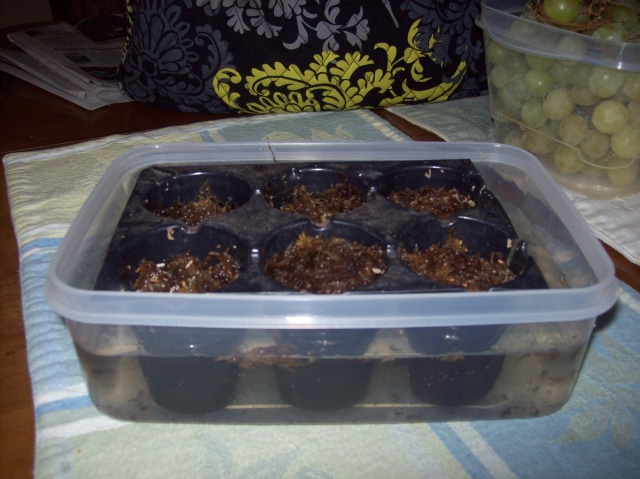
Propagating Cape Sundews from Seed: Avoiding Common Pitfalls
A grower in Zone 7a sowed Drosera capensis seeds on rinsed long-fiber sphagnum moss in standing water, but the medium stayed too wet. The expert advises lowering the water level to ¼ pot depth and misting the surface 1–2
Growing Sundews Outdoors in Gulf Coast Heat: Light, Heat, and Humidity Strategies
A Texas grower struggles with limited indoor light for Drosera spatulata and D. multifida Extreme, while outdoor conditions bring 100°F+ temperatures and 90% humidity. The D. multifida shows wilting, likely from insuffic
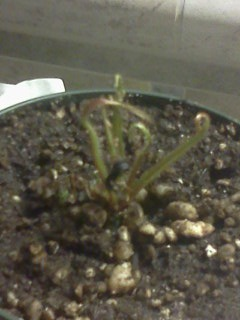
King Sundew (Drosera regia) in Distress: Repotting and Feeding Mistakes
A grower reports their Drosera regia (King Sundew) declining after repotting and root cutting. The plant was repotted into standard carnivorous plant mix with four Osmocote pellets, and the grower also fed it dried blood
The "Magic Window" Phenomenon: Growing Ultra-Highland and Lowland Nepenthes Together
A grower recently shared photos of a remarkable setup dubbed the magic window – a single windowsill where ultra-highland Nepenthes like N. rajah and N. hamata thrive side-by-side with ultra-lowland species such as N. bic
Apartment Carnivorous Plants: Balcony Flytrap, Indoor Sundew, and the Truck Bed Option
A 3rd-floor apartment grower with two balconies (one zero sun, one AM sun only) got a Cape sundew and Venus flytrap. 23W CFL 8″ above, 14–16 hrs. Considered truck bed in full sun but worried about heat. Jeff Dallas: Fl
Cooling a Highland Nepenthes Greenhouse in SoCal: Swamp Cooler Solution
A Southern California grower’s shade greenhouse hits 96–100°F in summer. Asked how to cool without dropping humidity for highland Nepenthes. Jeff Dallas: Swamp cooler (evaporative cooler). Pumps water over aspen/media,
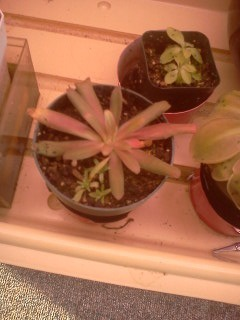
Pinguicula 'Aphrodite' Root Rot: Keep It Drier, Top Water, Try Rock Mount
A grower’s multi-year P. Aphrodite had dying leaves; roots looked black (should be white/succulent). Soil: peat/perlite/vermiculite. 40W tubes, distilled water. Jeff Dallas: Root rot. Water less often—only when tray dry
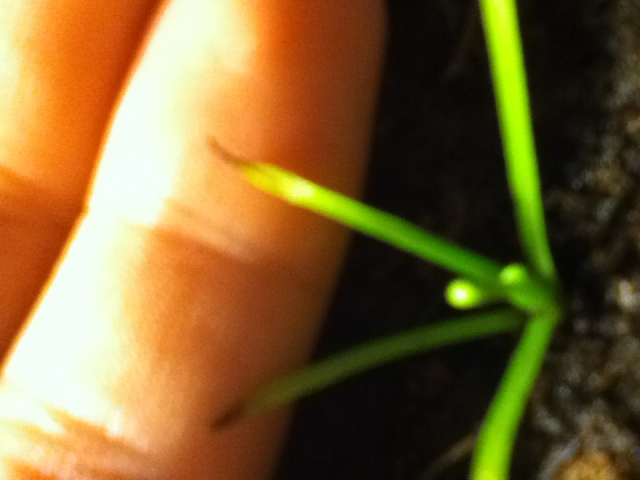
Drosera capensis Black Tips: Low Light and Excess Humidity Fix
A grower’s tiny D. capensis had black tips on even the tiniest new leaves (upside-down J shape). Photo showed poor detail. Jeff Dallas: Plant arrived in very low light and excess humidity. Cut off all leaves except the
Copyright © www.100flowers.win Botanic Garden All Rights Reserved