
Grass-Specific Herbicide for Perennial Beds
Fluazifop-p-butyl Products Over the Top (Fertilome) and Ortho Grass-B-Gon contain fluazifop, a selective grass killer safe for broadleaf perennials. Apply 2-3 times at 7-14 day intervals for complete kill. Avoid products

Rubrum Lily Requires Outdoor Culture
Not a Houseplant Rubrum lily (Lilium speciosum var. rubrum) needs winter chill to bloom. Hardy zones 4-9. Grow in ground or pot outdoors; plant bulb 6 inches deep, side-dress with manure, full sun to light shade. Contai
Azalea and Lilac Choices for Nashua Region
Clarify Location for Specific Advice Nashua exists in NH, IA, MO, MT, MN—hardiness zones vary. Josee lilac is a hardy rebloomer for all. For azaleas, choose deciduous types for cold zones (4-5), evergreen for milder. Con
Plants for Under Lilac Trees in Zone 3
Shade-Tolerant, Cold-Hardy Groundcovers Under 15-ft lilacs in zone 3 (north-facing): hostas (many varieties), astilbe, daylilies, tall phlox (if some sun reaches). All are zone 3 hardy. Selection Tips Hostas offer dive
Asiatic Lilies in Miami: Perennial Care
Reliable Rebloom in Zone 10 Asiatic lilies are hardy zones 3-10, so Miami is perfect. After bloom, remove spent flowers but leave stems and leaves to photosynthesize until they yellow. Cut back only when fully brown.
Mysterious Bulb-Like Growths on Rose Stems
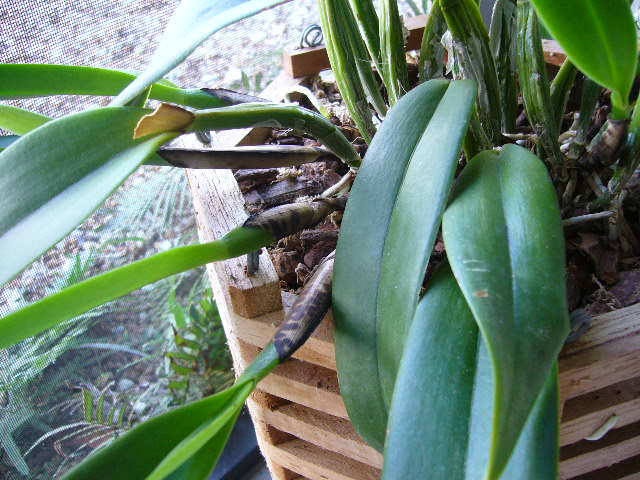
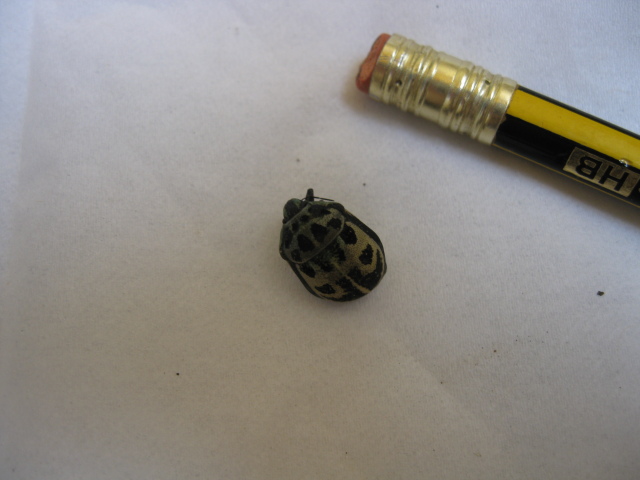
Not Seeds—Likely a Pest or Disease Bulbous formations on rose stems (not rose hips) suggest a parasite, gall, or disease. Rose hips form at the base of spent flowers, not along stems. Next Steps Describe structures in
Lawn Weed-and-Feed Damage to Perennial Bed
Leach Out Herbicide Quickly Scotts Weed & Feed on a flower bed harms broadleaf perennials (peonies, hollyhocks, delphiniums, phlox). Immediately soak the bed deeply for 3 days to leach chemicals. One application may not
Transplanting a 25-Year-Old Forsythia in Spring
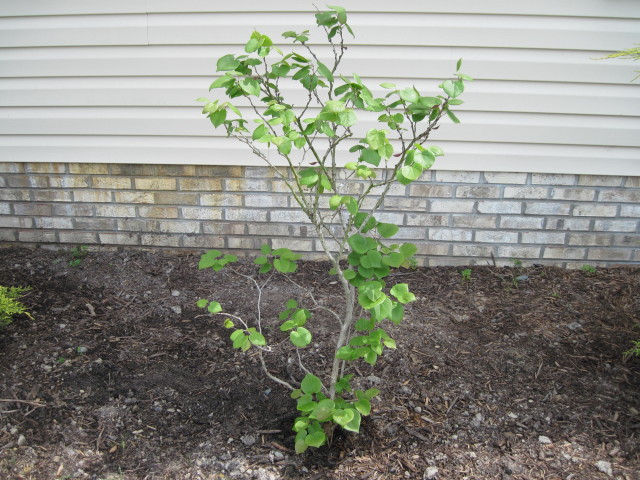
Unconventional Timing Can Work Moving a massive forsythia in leaf (spring) is not ideal but doable. Prune severely to 1-2 ft, dig large root ball with help, divide into basketball-sized sections with thick roots, replant
Weed Control in Large Perennial Beds
Selective Herbicides and Mulch For large beds with established perennials: Preen (pre-emergent): Stops weed seeds; apply early spring. Over-The-Top (fluazifop): Kills grasses only; safe for broadleaf perennials. Spot-tr
Not Listed as Toxic No references indicate lambs ear (Stachys byzantina) is poisonous to horses. Common toxic plants list: Horse Toxic Plants.
Lantana 'Miss Huff' Hardiness in Greensboro, NC
Zone 7a/b Perennial with Protection Miss Huff lantana is rated to zone 7. In Greensboro (zone 7a), it often survives with heavy fall mulch (3-4 inches cypress). Roots must not freeze. It emerges late in spring. Extra In
Florist Hydrangea in Full Sun Near San Francisco
Marginal Hardiness in Coastal California Florist hydrangeas are often only hardy to zone 9. In the Bay Area, light frosts are rare, so planting in the ground may work if protected from north wind. Site Selection Coasta
Crown Rot in Dianthus and Container Planting Tips
Saving Rotting Dianthus Crown rot (brown mushy roots) in dianthus requires immediate action: ensure pot drainage, remove diseased plant, trim dead tissue, treat healthy roots with fungicide, repot in fresh mix in a separ
Iris vs. Gladiolus: Same Family, Different Looks
Iridaceae Family Relatives Both belong to Iridaceae, sharing sword-like leaves. Gladiolus (from Latin gladius, sword) produces a tall spike with many flowers; German bearded iris has a shorter stem with 3 large blooms.
Crape Myrtle Emergence in Kansas City (Zone 5)
Dieback Shrub Behavior In KC (zone 5), crape myrtles die to the ground each winter. Suckers from the base in late May are normal; the plant is alive. New growth appears late but grows rapidly in summer heat. Pruning Pro
Hard Pruning Azaleas for Renewal
Severe Pruning Before Spring Flush Azaleas tolerate heavy pruning well. Cut back to 4-6 inches above ground just before new growth emerges in spring. Use sharp tools; do not fertilize immediately. Long-Term Shape Annual
Ants on Red Twig Dogwood: Aphid Farmers
Ants Indicate Sap-Sucking Insects Ants nesting on leaves and biting aggressively are farming aphids or spider mites for honeydew. Check leaf undersides and stems for tiny insects. Two-Step Control Treat aphids/mites wi
Asiatic Lilies Thrive in Zone 9
Heat-Tolerant Lilies for Warm Climates Asiatic lilies are hardy zones 3-10, so zone 9 is ideal. Plant in full sun, well-drained soil. They emerge as soil warms and require minimal care. Care Guide University of Minnesot
Pruning Forsythia: Timing for Maximum Blooms
Prune Right After Flowering Forsythia blooms on old wood. Prune immediately after spring flowers fade. Late pruning removes next years buds. Even if the shrub is sprawling, wait until post-bloom. Current Situation Some
Shallow-Rooted Shrubs for Phoenix Sewer Lines
Desert Plants Seek Deep Water In arid Phoenix, most shrubs develop deep, invasive roots to find water. Oleanders and cape honeysuckle are problematic. True shallow-rooted options are limited. Possible Candidates Dwarf
Copyright © www.100flowers.win Botanic Garden All Rights Reserved