
Bacterial Gall on Crape Myrtle: Monitor, Don't Cut
What It Is A round, warty swelling 8–10 inches wide on the trunk is likely crown gall (Agrobacterium tumefaciens) or a bacterial gall. The bacterium enters through wounds and triggers uncontrolled cell growth. Managemen

Cicadas Don't Lay Eggs in Fruit
Oviposition Site Periodical and annual cicadas insert eggs into pencil-sized twigs of deciduous trees, not into fruit. The nymphs drop to soil and feed on roots for years. Fruit Pests Are Different Codling moth, plum cu
Live Oak Roots and Swimming Pools: No Threat If Pool Is Sound
Root Behavior Tree roots seek moisture. A watertight pool shell creates a dry zone underneath; roots have no incentive to grow there. Damage occurs only if roots exploit existing cracks or leaks. Real Nuisance: Leaf Lit
Multiple Tree Issues on a New South Carolina Homesite
Complex Site, Multiple Species Sweetgum, water oak, southern red oak, and others show cankers, dead tops, and basal rot. Construction compaction, grade changes, and pre-existing stresses likely interact. Professional As
Bagworms and Sap Flow on Green Giant Thuja
Sap After Pruning Is Normal Conifers bleed sap from fresh cuts during active growth. It seals the wound and stops within days. No treatment needed. Bagworm Management Hand-pick bags (easiest on small trees) or spray Bac
Dog Urine Damage on Young Spruce
Why It Happens Urine contains high salts (urea, sodium) that desiccate foliage and kill cambium. On a week-old transplant with limited roots, even one episode can cause brown patches or death. Prevention Apply commerci
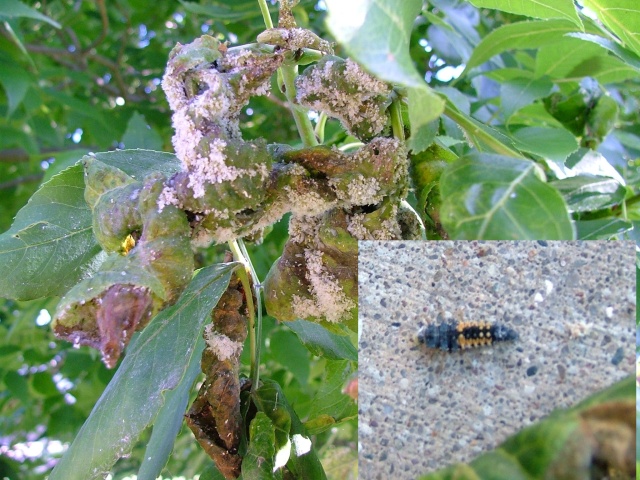
Brownheaded Ash Sawfly vs. Lady Beetle Larvae on Green Ash
Primary Pest: Brownheaded Ash Sawfly Curled, sticky leaves with white fluffy material match sawfly feeding. Larvae are pale green worms that skeletonize leaves in May–June. One generation per year. Secondary Insect: Lad
Transplanting Red Maple Saplings in Mid-Michigan
Planting Procedure Dig hole twice the root ball width, same depth. Remove burlap and wire completely. Set tree so root flare is at grade. Backfill with native soil (amend only if very poor). Mulch 3 inches, keep off tru
Sapsucker Holes in Bradford Pear: Not Borers
Identification Neat, quarter-inch holes in straight rows and columns on the trunk are made by yellow-bellied sapsuckers (a woodpecker). They drill sap wells, then return to eat insects attracted to the sap. Damage Level
Bald Cypress Knees Near Foundation: Root Barrier Installation
Root Biology Cypress knees are pneumatophores—woody projections from roots that aid gas exchange in wet soils. They indicate active roots nearby. Cutting 10–15% of the root system (a 30–40° sector) on a healthy 50-ft tre
Is a Leafless Weeping Birch Dead? How to Check
The Scratch Test Starting at the top, scrape a tiny patch of bark with a fingernail or knife. Green underneath: Tissue is alive; the tree may leaf out if watered. Brown/tan: That branch is dead. Move down and repeat.
Decay Fungus on Shumard Oak: What the Mushroom Means
The White Growth Is a Fruiting Body The mushroom on the split trunk is the reproductive structure of a wood-decay fungus (likely Ganoderma or Armillaria). It indicates internal heartwood rot, but the living cambium and s
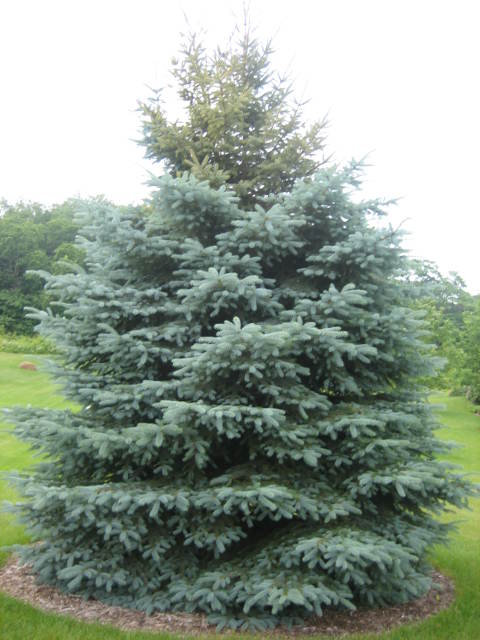
Blue Spruce Top Dieback: Weevil, Bark Beetle, or Cytospora Canker?
Initial Suspect: Insects Top-down dieback on an 18-ft, 20-year blue spruce often signals white pine weevil (kills the leader) or bark beetles. Look for pitch tubes or fine sawdust at the base of the dead top. If No Inse
Watering a New Pomegranate in Clay Soil, Central California
The Problem: Overwatering in Clay Daily watering on heavy clay suffocates roots by displacing oxygen. Yellowing leaves with active shoot tips suggest the tree is alive but stressed by waterlogged soil. Correct Watering
Cottony Aphids on Maple: Identification and Control
What Youre Seeing White, thread-like balls that move slightly and drop sticky honeydew are cottony maple aphids (Neopulvinaria innumerabilis). The fluff is wax secreted by the insects. Honeydew attracts ants, bees, and s
Borers Killing Weeping Willows in Bradford County, NY
Symptoms Match Borer Attack Sap oozing from multiple trunk points on weeping willows, with progressive decline over years, is classic for wood-boring insects (likely Cryptorhynchus lapathi, the poplar-and-willow borer).
Fungi on a Maple Stump Mound: Nature's Recyclers
What Youre Seeing The cat poop globes—silver-dollar to dinner-plate size, brown-black outside, chocolate-brown spore dust inside—are the fruiting bodies (conks) of wood-decay fungi colonizing the buried maple stump. No
Maple Leaf Spots in the Catskills: Harmless Cosmetic Issue
Diagnosis Measles on maple leaf undersides in late June are almost certainly either fungal leaf spots (e.g., Phyllosticta, Septoria) or eriophyid mite galls. Both are common, weather-dependent, and rarely threaten tree h
Controlling Aphids on Mature Plum Trees
Identification Aphids are small, soft-bodied insects clustering on leaf undersides and shoot tips. They excrete sticky honeydew, which hosts black sooty mold. Heavy infestations curl leaves and reduce vigor. Treatment O
Reviving a Newly Planted Crape Myrtle with Yellowing Leaves
Transplant Shock Is Normal Yellowing and leaf drop two weeks after planting is classic transplant shock. The root system hasnt yet expanded into the surrounding soil to meet the canopys water demand. Care Protocol Wate
Copyright © www.100flowers.win Botanic Garden All Rights Reserved