


Diagnosing Needle Drop in Mature Spruce
A 40-year-old Colorado/Blue spruce in SE Pennsylvania shows excessive green needle drop and exterior dead branches—appears to be dying from inside out. Cats use area as litter box. No bagworms or mite webbing seen. Cats

Identifying Mystery Tree Seedlings in the Lawn
Annual eruption of tiny trees with two oval leaves, tough stems, and long straight roots—not from acorns. Weed-B-Gone ineffective. Owner seeks identification and control. Need Photos for ID Description insufficient. Sen
Hollow Oak Tree: Assessing Safety and Longevity
A 36-inch diameter backyard oak is completely hollow—tape measure extends 23 inches inside. It leafs out well but owner fears it falling on neighbors house. Heart Rot ≠ Hazard Hollow trees can stand decades. Safety depe
Oak Apple Galls on Red Oak: Harmless Curiosities
A North Texas red oak has rounded, walnut-shell-like growths on leaves and stems—green when small, cream-colored and ping-pong ball sized when large. Inside: fibrous mass resembling dandelion seed head. Diagnosis: Oak A
Transplanting a Citrus Tree in Phoenix
A Phoenix homeowner wants to move a small orange tree from a partially shaded spot to full sun for better fruiting. Root Ball Requirements Same as deciduous trees: soil ball 9-12 inches wide and 6 inches deep per inch o
Royal Empress Tree for Virginia Driveway: Pros and Cons
A Virginia homeowner wants a deer-resistant, fast-growing tree for a long country driveway. Considers Royal Empress (Paulownia) for quick drama, low cost, and deer resistance. Deer Resistance Deer browse early spring gr
Dappled Willow Shrub Roots and Sewer Pipes
Homeowner asks if a Dappled Nishiki willow shrubs roots threaten sewer/water pipes like tree willows do. Low Risk This shrub stays small, so root spread is limited. Only a concern if planted directly over old, leaking c
Arborvitae Longevity, Hollow Trunks, and Carpenter Ants
Four 40-foot arborvitae, 24+ years old, lean toward the house. One has a hollow area where a branch was lost. Carpenter ants are present. Last years drought killed 20-year-old azaleas. Owner fears removal is inevitable.
Willow Oak Forked Top: To Prune or Not?
A transplanted 15-foot willow oak has a forked top with two equal leaders under 3 feet long. Owner wants a straight, tall tree and asks whether to remove one leader. Expert Advice: Leave It Forks above 4 feet are normal
Managing Mimosa Webworms in Honeylocust
A Sunburst Honeylocust in its 8th-9th year suffers annual July defoliation from webworms (likely mimosa webworms). Two generations per year make the yard unusable. Owner seeks treatment timing and frequency. Insecticide
Tree Wells: Saving a Mature Maple from Fill Soil
A homeowner built a timber ring 6-7 layers high around a mature soft maple and was warned fill dirt would kill it. Asks if the ring can stay unfilled. Fill Soil Kills Trees More than 2-3 inches of fill over established
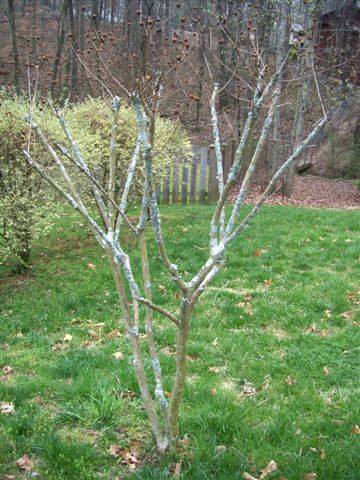
Lichens on Trees: Symptom, Not Cause of Decline
A homeowner notices trees declining as lichens appear, believing lichens cause the problem. They ask about removal. Lichens Are Harmless Lichens dont harm trees—they merely grow on bark. Their increase signals an underl
Planting Thuja: Skip Fertilizer, Mulch Correctly
A homeowner planting 3-foot Thuja trees asks about using 13-7-7 fertilizer and whether to mix composted mulch into backfill or apply on top. First Year: No Fertilizer Fertilizer burns tender new roots. Wait one year bef
Cytospora Canker in Quaking Aspen: Managing a Treehouse Tree
Four quaking aspens supporting a treehouse show dying branches from the ground up and orange fluid oozing from bark. The owner asks about fungicides, including a barley pivot fungicide. Diagnosis: Cytospora Canker Cause
Saucer Magnolia and Black Walnut Toxicity: Can They Coexist?
A homeowner wants to plant a saucer magnolia near three black walnuts and asks about juglone toxicity. Juglone Sensitivity Black walnuts produce juglone, a chemical toxic to many plants. Symptoms include yellowing, wilt
Plum Tree Not Blooming: Sump Pump Flooding Roots
On May 8, a plum tree shows no buds after a wet winter/spring. Sump pump discharges at its base. The owner asks if redirecting the pump will allow recovery. Waterlogged Roots Cause Failure to Leaf Out Constant saturatio
Saving Winter-Burned Hemlocks from Further Decline
Five hemlocks suffered severe winter burn. The owner applied Bayer Tree & Shrub (possibly over-concentrated), then added fertilizer spikes. Trees show new growth but look terrible—brown needles, drooping tops. Concerned
Sapsucker Holes in Live Oak: Not Borers, But Birds
A Houston live oak shows rings of holes through the bark from ground to 10 feet up. Similar holes appeared on a Bradford pear last year. The homeowner suspects wood-boring beetles and asks about chemical treatment. Real
Fertilizing Magnolia Trees: The Right Approach
A homeowner with a large, non-blooming magnolia that drops leaves daily seeks feeding advice. Acid-Loving Fertilizer Required Magnolias thrive with acidic fertilizers—the same type used for rhododendrons and azaleas. Op
Leyland Cypress Browning After Freeze: What to Do
Eighty-five 3-foot Leyland cypresses planted in eastern Tennessee three weeks ago show browning after temperatures dropped to 30°F. Planted in good topsoil with mulch and weekly rain. Freeze Damage on Tender Growth Newl
Copyright © www.100flowers.win Botanic Garden All Rights Reserved