

Transplanting a Young Live Oak in Dallas: Timing, Root Ball Size, and Technique
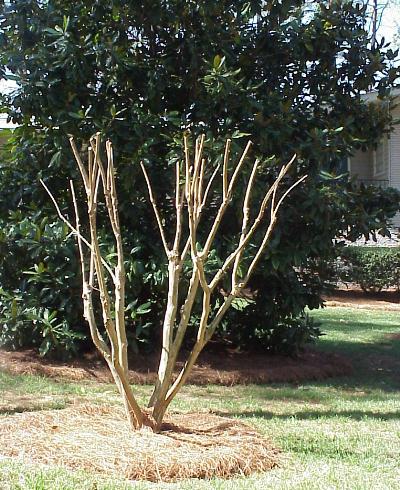
Best Seasons Transplant deciduous trees in early spring (after frost, before leaf-out) or fall (after color change, before ground freeze). Root Ball Specifications For a 2.5-inch diameter trunk: Width: 9–12 inches per

Growing Eucalyptus from Seed: Cold Stratification and Seedling Care
Eucalyptus Seed Germination Protocol Step-by-step method for starting eucalyptus from seed pods. Seed Preparation Collect seeds from mature capsules (woody pods) Place seeds in plastic bag with damp paper towel Refrige
Incense Cedar Removal: Value Assessment and Cost Fairness
Four 70-Foot Incense Cedars: Timber Value vs. Removal Cost A homeowner was quoted $500 plus the wood for removing four 70-foot incense cedars (Calocedrus decurrens) and wants to know if the trees have value. Factors Det
Wood Borer Treatment and Cavity Management in Large Tree
Dealing with Borers, Decay, and a Squirrel Tenant 100 circumference) with a deep cavity, wood borers, decay fungi, and a resident squirrel. Previous advice: Merit (imidacloprid) for borers. Merit Application Clarificati
Freeze Protection for Shrubs and Small Trees: Covers and Heat Sources
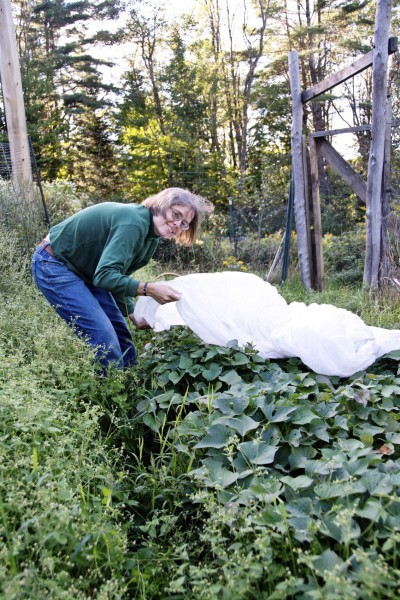
Protecting Plants from Freezing Temperatures A two-part question: best freeze protection methods, and the name of fuel-burning heat devices used in orchards. Effective Covering Techniques Material: Cloth (frost cloth,
Winter Care and Spring Planting for Dormant Bradford Pear in Missouri
Holding a Bare-Root Bradford Pear Through Winter A 4-foot dormant Bradford pear received in winter in Missouri needs proper storage until planting. Overwintering Protocol Storage: Unheated garage, shed, or protected ou
Freeze Protection for Newly Planted Shamel Ash and Hong Kong Orchid Tree
Winter Care for Young Trees Facing a Freeze Two 24-inch boxed Shamel ash and one Hong Kong orchid tree (Bauhinia blakeana) planted 6 weeks ago face an imminent freeze. Different species need different protection. Shamel
Shamel Ash and Lawn Grass: Shade, Not Poison, Causes Thinning
Why Bermuda Grass Fails Under Shamel Ash A homeowner with Shamel ash trees believes the trees secrete a poison that kills Bermuda grass. The reality: Bermuda grass simply cannot tolerate shade. Shade Intolerance of Berm
Cedar Trees and Hardwood Decline: Separating Myth from Reality
Are Cedars Killing Your Oaks and Hickories? A North Carolina landowner with a 5-acre lot (zone 7) has a 2:1 to 3:1 ratio of eastern red cedar (Juniperus virginiana) to hardwoods. Over 25% of oaks and hickories are dead o
Sapsucker Damage on Bradford Pear Trees: Identification and Control
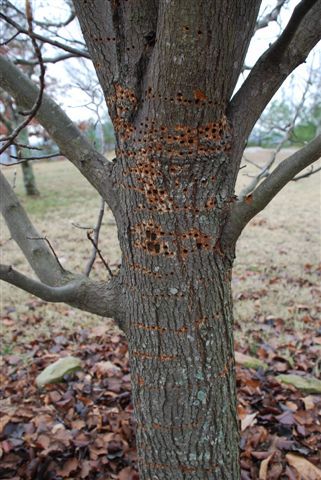
Rows of Holes in Bradford Pear Bark: Woodpecker, Not Borer A bed-and-breakfast owner in Alabama noticed lines of small holes in their Bradford pear (Pyrus calleryana Bradford) trees lining the driveway and feared borer i
Live Oak Root Risk to House Foundation at 15–20 Feet
Live Oak (Quercus virginiana) Proximity to Structures A Gonzales, Louisiana homeowner has a 20–25 foot tall live oak 15–20 feet from their slab foundation and worries about root damage. Assessment: Low Risk At 15–20 fee
Planting Curly Willow: Root Concerns Near Foundations and Sewers
Curly Willow (Salix matsudana Tortuosa) Placement Guidelines A homeowner asks how far to plant a curly willow from the house to avoid foundation and slab damage. Foundation Risk: Low Willow roots are typically fine and
Reviving a Struggling Weeping Mulberry After Storm Damage
Post-Hurricane Care for Weeping Mulberry A weeping mulberry (Morus alba Pendula) transplanted after Hurricane Katrina (2005) shows yellowing leaves and poor growth three years later. The tree needs targeted care to recov
Paper Birch in North Carolina Zone 8: Will It Survive?
Climate Mismatch for Paper Birch A homeowner in North Carolina (zone 8) wants to plant paper birch (Betula papyrifera), a species native to cool northern forests. The short answer: it will likely struggle. Why Paper Bir
Transplanting Overcrowded Grand Fir Nursery Stock
Moving Grand Firs from a Crowded Nursery Bed A grower has 3–4 foot grand firs (Abies grandis) spaced less than 12 inches apart and wants to transplant them. The key question: should they be thinned and root-pruned first?
Managing Spanish Moss on Oak and Cypress Trees
When Spanish Moss Becomes a Problem Spanish moss (Tillandsia usneoides) is a native epiphyte, not a parasite – it uses trees only for support. But in Floridas humid climate, heavy infestations can shade out inner foliage
Identifying Burls and Crown Galls on Oak Trees
What Are Those Knobby Growths on Your Oak? A homeowner noticed their entire oak tree covered in unusual bark deformities and wondered if it was an infection. The growths shown in the photo are burls (also called crown ga
Pruning Young Japanese Green Maples: When and How
Should You Prune a Two-Year-Old Japanese Maple? A common question among gardeners in Alabama and similar climates: when and how to prune a young Japanese green maple (Acer palmatum). The short answer: dont prune yet. Wh
Shamel Ash Tree Root Concerns: Safe Planting Distances
Planting a Shamel Ash Near Structures Homeowners often ask whether a Shamel ash (Fraxinus uhdei) can be safely planted close to a house, driveway, or sidewalk. In this case, the proposed distances are 6 feet from the hou
Native Hill Country Trees: Fertilization Guidance
Professional Consultation Recommended Contact Texas Forest Service for free forester visit: Austin area contact Local phone book listing General Principles Mulching 10 acres impractical Broadcast fertilization may he
Copyright © www.100flowers.win Botanic Garden All Rights Reserved