


Cypress Knees and Foundation Risk Management
Cypress knees and roots can damage foundations and create mowing hazards. Proactive management prevents costly repairs. Root System Characteristics Knees: Pneumatophores for gas exchange in wet soils—emerge unpredictab

Daisy Tree Winter Survival in Northern Illinois
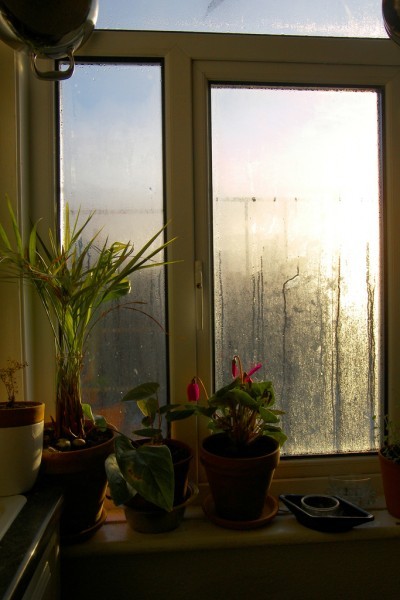
Daisy tree (Montanoa spp.) is tropical (minimum 30°F)—it will not survive Illinois winters outdoors. Your Mothers Day gift needs indoor protection. Overwintering Protocol Transplant to large container with drainage Mov
Dogwood Viability in Northwest Indiana & Cleveland Pear pH Range
Flowering dogwood (Cornus florida) is marginal in northwest Indiana (zone 5b). Lake-effect subzero temps and winds cause flower bud kill and periodic dieback. Your landscapers are right—avoid planting. Better Alternativ
Scrub Oak Eradication: Cut-Stump Herbicide Method
For fire-safe clearing around structures, cut scrub oak flush and immediately paint fresh stumps with concentrated glyphosate (Roundup). This kills the root system, preventing resprouting. Procedure Cut stems as close
Japanese Maple Post-Transplant Care on Mound
After moving a Japanese maple to a mound during regrading, focus on moisture management and winter protection. The mound improves drainage but increases drought exposure. Critical Care Steps Mulch: 3 inches max, wide r
Aspen Scale Infestation: Identification and Control
Aspen-Cotton-1 White cottony substance dripping from aspen bark indicates oystershell scale (Lepidosaphes ulmi)—a serious pest that kills limbs and trees by sucking vascular tissue. Scale vs. Aphid Identification Scale
Woodpecker Holes vs. Borer Damage on Oak
Horizontal lines of shallow holes on oak trunks are woodpecker (sapsucker) feeding patterns—not borer exit holes. The birds drill sap wells, return to eat attracted insects. Distinguishing Features Woodpecker holes: Un
Deer Antler Damage on Red Maple: Emergency Response
Complete bark removal around a 20-inch trunk section (girdling) on a 4-6 diameter red maple is likely fatal. The vascular tissue (phloem) that transports sugars from leaves to roots is severed. Last-Resort Interventions
Dogwood Establishment Watering Protocol
Newly planted dogwoods wilting between weekly waterings need deep, measured irrigation—not frequent light sprinklings. The cycle of wilt/recovery indicates chronic underwatering. Correct Deep Watering Method Amount: 1
Oak Leaf Galls: Harmless Annual Phenomenon
Tiny balls on oak leaf undersides falling like rain are leaf galls—caused by tiny wasps or mites. Theyre cosmetic only, not a health threat. Gall Biology Insect lays eggs, secretes chemical causing leaf tissue to form
Green Giant Arborvitae Shade Tolerance
Green Giant (Thuja plicata Green Giant) performs best in full sun to partial shade. Deep shade stunts growth—it needs minimum 4-6 hours direct sun for dense, vigorous form. Light Requirements Full sun: Maximum growth r
Propagating Oaks: Acorns Work, Cuttings Don't
English oak branches broken by cats wont root—oaks propagate almost exclusively from acorns. Named cultivars use grafting, not cuttings. Acorn Propagation Protocol Collect plump, mature acorns immediately after falling
Norfolk Pine Outdoor Survival in Charleston, SC
Norfolk Island pines (zones 10-11, 30-50°F minimum) cannot survive Charleston winters (zone 7-8, 10-20°F). Your screen porch/garage regimen confirms its a houseplant, not a landscape tree. Options Keep as houseplant: R
Crabapple Borer Treatment and Recovery
Small trunk holes on your crabapple likely indicate borer activity. Plastic trunk guards can trap moisture, creating favorable conditions for borers and fungal issues. Integrated Treatment Trunk spray: Imidacloprid (Me
Raywood Ash Watering Schedule for Phoenix Climate
Daily watering for a newly planted Raywood ash in Phoenix causes shallow roots and oxygen deprivation. Drooping leaves indicate overwatering, not drought. Corrected Irrigation Protocol Frequency: Every 3 days (not dail
Reviving a Wild Apple Tree: Pruning and Care Guide
Discovering a volunteer apple tree in cleared brush offers a rewarding restoration project. Since its seed-grown, fruit quality is unknown, but the tree can become productive with proper care. Next Steps Comprehensive g
Douglas Fir Co-dominant Leader Decision
A vigorous upright branch 2 feet up on a 7-8 foot Douglas fir creates a co-dominant stem situation. Left unchecked, this leads to a forked trunk with included bark—a structural weakness prone to splitting. Recommended A
Eliminating Locust Root Suckers Without Stump Grinding
After locust tree removal, persistent root suckers emerge from remaining stumps holding a hillside. Glyphosate brushed on sucker foliage translocates to roots, killing the entire system without soil disturbance. Effecti
Colorado Blue Spruce Failure: When to Demand Refund
A Colorado Blue Spruce that browned immediately after planting and lost its top leader is dead—not in shock. Retail nursery stock often suffers from poor handling, root binding, or pre-existing stress. Why It Failed Im
Bradford Pear Pruning: Essential Early Training
Bradford pears notorious weak branch structure demands proactive pruning in the first few years. Their narrow, vertical branch attachments inevitably split under ice, snow, or wind loads after 10-15 years. Young Tree Tr
Copyright © www.100flowers.win Botanic Garden All Rights Reserved