


Leaf Galls on Oak: Cosmetic, Not Harmful
Diagnosis Small pimples on fallen oak leaves in Brooklyn, NY are gall mite (eriophyid mite) galls. The mites lay eggs, inducing the leaf to form protective structures. Impact and Management Not a health threat. Only ca

Buying a Smaller, Affordable October Glory Maple
Container-Grown Is the Way For zone 5 (Southern Adirondacks), buy a container-grown October Glory maple (5–15 gallon pot) from a local nursery or reputable online source. It costs far less than a 15-foot B&B tree. Plant
November Planting of Large Maple and Plum Trees in New Jersey
Landscaper Is Correct Early November (first two weeks) planting of 3.5–4 inch caliper maples and 3 inch plums in southern NJ (zone 7) is appropriate. Trees are dormant, reducing transplant shock. Critical Planting Specs
Aphid Honeydew on Red Oak: The Real Cause of "Sap" Dripping
Diagnosis Sap dripping on driveway and cars from a 13-year-old red oak in zone 8b is almost certainly aphid honeydew. Aphids feed on leaf phloem and excrete sugar-rich liquid; sooty mold grows on it, blackening leaves.
Transplanting a Volunteer Pecan Seedling in Dallas
Timing and Method For a 2-foot pecan seedling (½–¾ inch caliper) in Dallas/Fort Worth: Best time: Mid-February (dormant season). Root ball: 12-inch diameter circle, 12 inches deep. New hole: Twice the width, same depth.
Coastal Redwood Decline in California: Diagnosis Requires On-Site Expertise
A Corning, CA landowner reports 11 acres of mixed conifers (ponderosa pine, coastal redwood, fir, cedar, Scotch pine) aged 5-10 years, with redwoods showing dead branches and sparse green growth despite weekly drip irrig
Best Tree Identification Field Guides for Eastern North America
Mike Eidson, 52, from Middle Tennessee seeks a comprehensive tree identification book with color illustrations of leaves, fruit, and bark for woodland use. The right field guide transforms forest walks into botanical dis
Ficus Tree Root Damage: Prevention and Management Strategies
A homeowner asks whether ficus trees truly damage driveways, sidewalks, and sprinkler systems with their shallow roots, and what can be done when a neighbors tree threatens their property. The Reality of Ficus Root Syst
Tree Bark Damage from Animals: Assessment and Recovery
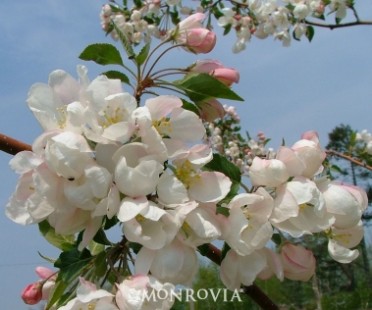
A Pennsylvania homeowner discovered bark eaten around the base of a 12-foot, 4-year-old flowering tree (likely a crabapple or cherry based on pink spring flowers and fall berries). The critical question: will the tree su
Pruning Mature Apple Trees: Timing, Techniques, and Resources
Chris from southwest England has a 15-20 foot tall cooking apple tree needing pruning guidance. The tree hasnt lost all leaves yet, raising timing questions. Proper pruning improves fruit quality, tree health, and longev
Cypress Bark Peeling: Normal Aging or Cause for Concern?
A Texas homeowner noticed curly bark peeling on a cypress tree near Lake Austin, with leaves fallen off. The tree is in shade spring through fall. The key question: is this normal aging, animal damage, disease, or enviro
Caring for Picea abies 'Repens' (Norway Weeping Spruce)
Clive purchased a Picea abies Nidiformis Repens (often sold as Repens or Nidiformis) and needs care guidance. This distinctive conifer—sometimes called Norway Weeping Spruce or Birds Nest Spruce—has specific needs for op
Oak Leaf Identification: Understanding the Incredible Diversity
Glenn Houston asked for the average dimensions and shape of a dried brown oak leaf in fall. The answer reveals a fascinating truth: there is no average oak leaf, because oaks exhibit extraordinary leaf diversity across t
Organic Winter Wash for Fruit Trees: Protecting Beneficial Insects
Myfanwy seeks an organic alternative to traditional tar wash for apple trees, concerned about harming beneficial insects while controlling pests. This is a thoughtful approach—modern orchard management emphasizes preserv
Plants That Thrive Under Coast Redwoods
Redwood Understory Conditions 45 redwoods create deep shade, acidic soil, heavy needle duff, and intense root competition. Only shade-tolerant, acid-loving, drought-resistant natives thrive. Recommended Plants (Californ
Burning Ficus Wood in Fireplaces: What You Need to Know
Ron asked whether wood from a large ficus tree, once dried, would burn well in a fireplace, having heard it might be rubbery and burn poorly. The short answer: yes, properly seasoned ficus wood can be burned, but with so
Juniper Berries: Edible Uses, Safety, and Culinary Applications
Jim from Austin, Texas, noticed cedar (juniper) trees heavy with berries being eaten by squirrels and wondered about human consumption. The answer involves understanding which juniper species produce edible berries, thei
Wood as Fuel: A Student's Guide to Understanding Firewood Properties
When Tommy reached out for help with a school project on wood as fuel, he tapped into a question that has warmed human homes for millennia. Understanding which woods burn best, how to season them, and the science behind
Controlling Sweetgum Ball Production with Florel
Sweetgum vs. Maple Fruit Sweetgum (Liquidambar styraciflua) produces spiky balls; maples have winged samaras. If your tree drops spiky balls, its a sweetgum. Florel Fruit Eliminator Active ingredient: Ethephon (release
Pruning Bradford Pear and Growing Hazelnuts in Oklahoma
Bradford Pear Pruning Guide When: After flowering (spring). Why: Bradfords develop weak, vertical branches that split at 10–15 years if unpruned. Young Tree Training (First 3–5 Years) Remove dead/dying wood. Select a c
Copyright © www.100flowers.win Botanic Garden All Rights Reserved