


Dogwood Water Requirements: Balancing Moisture and Drainage
Flowering dogwood (Cornus florida) prefers consistently moist, well-drained, acidic soil—not a lot of water in the sense of saturation. The distinction is critical. Site Assessment Before planting in your yards center,

Designing a Shampoo Concentration Experiment for 7th Grade Science
A controlled experiment testing shampoos effect on bean growth needs a clear gradient of concentrations, replication, and measurable outcomes. Heres a robust design: Experimental Setup 6 treatment groups: 0 tsp (contro
Managing Winter Desiccation in Leyland Cypress
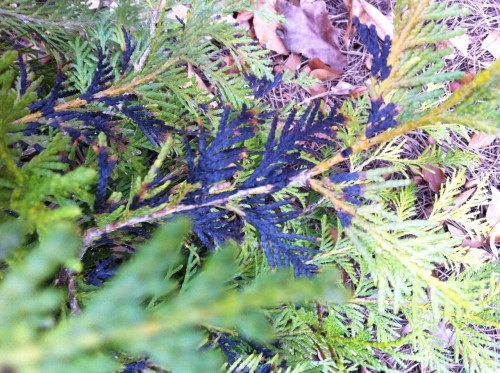
Browning needle tips on Leyland cypress in Pittsburgh spring are classic winter desiccation (winter burn). Frozen soil prevents root water uptake while winter sun and wind drive transpiration, causing tissue death at nee
Southern Magnolia Recovery After Hurricane Defoliation
Southern magnolias (Magnolia grandiflora) naturally concentrate foliage at branch tips, making them vulnerable to wind stripping during hurricanes. A 15-foot, two-year-established tree thats flowering but sparse on leave
Training a Fountain Butterfly Bush into Tree Form: A Multi-Year Process
Buddleia alternifolia (fountain butterfly bush) has a naturally arching, fountain-like habit. Transforming it into a single-trunk tree form is possible but requires patience and strategic pruning over several years. Yea
Evaluating Tree Removal Quotes: When to Involve Forestry Experts and Insurance
Quotes of $2,500–$4,000 for removing four large, rotted trees may seem steep, but tree work involves specialized equipment, insurance, skilled labor, and disposal costs. Before committing, take two smart steps that could
Removing a Fire Blight-Infected Mountain Ash: Preventing Disease Spread
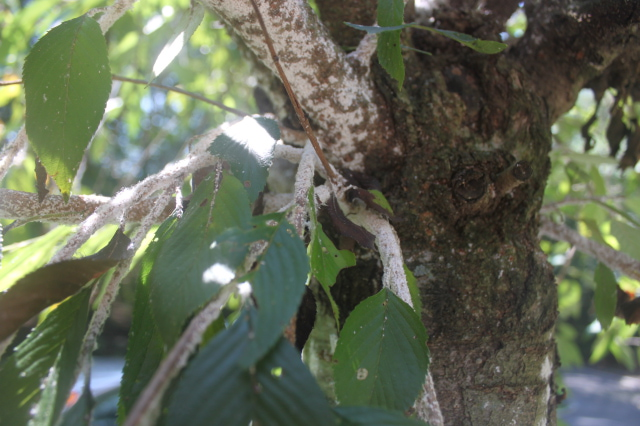
Your description—dead branches, white crusty deposits (likely bacterial ooze), cankers, and persistent leaves and fruit through winter—strongly suggests fire blight (Erwinia amylovora), a devastating bacterial disease of
Accidental Herbicide Damage to Young Fruit Trees: Assessment and Recovery Steps
Accidentally spraying fruit trees with a broadleaf herbicide like Ortho Weed Killer is a distressing situation, but the outcome depends on several factors. The active ingredients—typically 2,4-D, dicamba, and mecoprop—ta
Pruning Young Leyland Cypress: Why You Should Avoid Trimming 2-3 Foot Trees
Leyland cypress (× Cuprocyparis leylandii) is a fast-growing evergreen that can reach 15 to 20 feet tall at maturity. When dealing with young specimens only 2 to 3 feet tall, the instinct to shape them through pruning is
Incense Cedar Growth Rate and Transplanting
Incense cedar (Calocedrus decurrens) grows moderately—about 1-2 feet per year in good conditions. Reaching 50 feet could take 30-50 years. Fast-growing is relative; many conifers grow slowly initially. Transplant Now If
Why Building Up Soil Around Trees Kills Them
Adding a foot of soil around a trees base within a 10-foot radius will kill the tree. The root flare and upper roots require gas exchange; burial suffocates them. This is the leading cause of landscape tree death. Safe A
Why a Young Redbud Hasn't Bloomed Yet
A 3-year-old, 5-foot redbud growing in a tight spot between a deck and boulder hasnt bloomed because its too young. Redbuds typically flower at 4-7 years old, when theyve accumulated enough stored carbohydrates to suppor
Assessing Hail Damage to Trees
Severe hail with 60 mph winds can strip leaves, break new growth on conifers, and split bark. While deciduous trees often releaf, conifers cannot replace lost needles or repair bark splits. The trees long-term health dep
Why Propagating Japanese Maples at Home Isn't Practical
Japanese maples are typically grafted onto seedling rootstocks for consistent form, color, and vigor. Home propagation from cuttings or seeds is extremely difficult, slow, and yields unpredictable results. A 10-year-old
Loquat Tree Fruiting from Seed
A loquat (Japanese plum) grown from seed in Louisiana will eventually fruit, but patience is required. Seedlings take 6-8 years (sometimes longer) to reach bearing maturity. They are self-fertile, so a second tree isnt n
Ruby Anniversary Tree: Royal Ruby Hedge Maple
For a 40th (ruby) anniversary, the Royal Ruby hedge maple (Acer campestre Royal Ruby) is a perfect choice. This small ornamental maple features ruby-red new growth that matures to deep green, with yellow fall color. It g
Troubleshooting a Non-Flowering Dogwood
A dogwood planted in bloom in 2003 that hasnt flowered since likely faces environmental inhibitors. Dogwoods form flower buds in late summer/fall for the next spring; anything disrupting that process prevents blooms. Key
When to Replace a Storm-Damaged Kwanzan Cherry
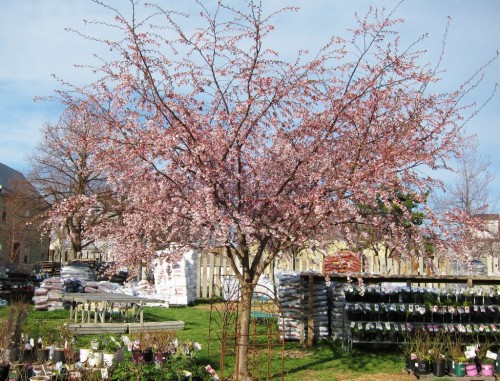
A 30-foot Kwanzan cherry that lost two of three trunks to snow load, with the remaining trunk split 5 feet up, is structurally compromised and aesthetically ruined. Flowering cherries are relatively short-lived (20-30 ye
Your mimosa trees symptoms—sudden death, green moldy trunk with white spots, peeling bark, rotted wood—are classic for mimosa wilt, caused by the soil-borne fungus Fusarium oxysporum f. sp. perniciosum. The white spots a
Identifying the Empress Tree (Paulownia)
A tree with fragrant purple bell-shaped flowers in spring, followed by hard, walnut-like seed capsules that persist through winter, is not a black walnut—its the empress tree (Paulownia tomentosa), also called princess t
Copyright © www.100flowers.win Botanic Garden All Rights Reserved