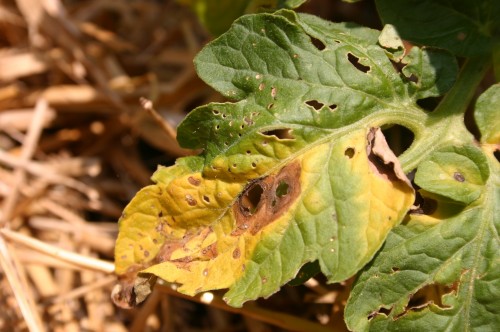

Ponderosa Pine Stress in West Texas: Bark Flaking, Sap & Sprinkler Impact
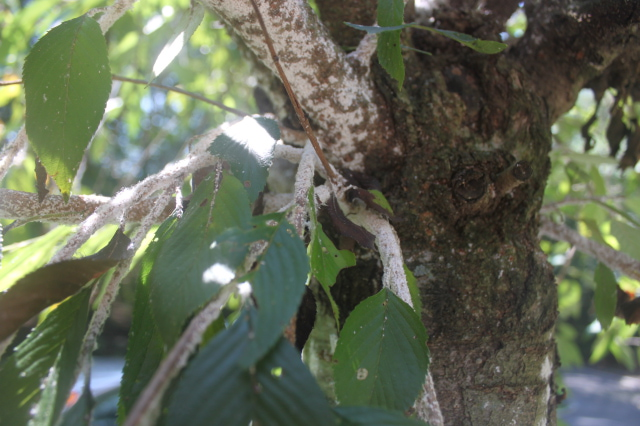
Your young ponderosa shows flaking bark, amber-to-white sap spots, spider webs, and a blackened base from sprinkler hit. If needles are green, the tree is alive. Heres whats happening. Symptom Breakdown Flaking bark: N

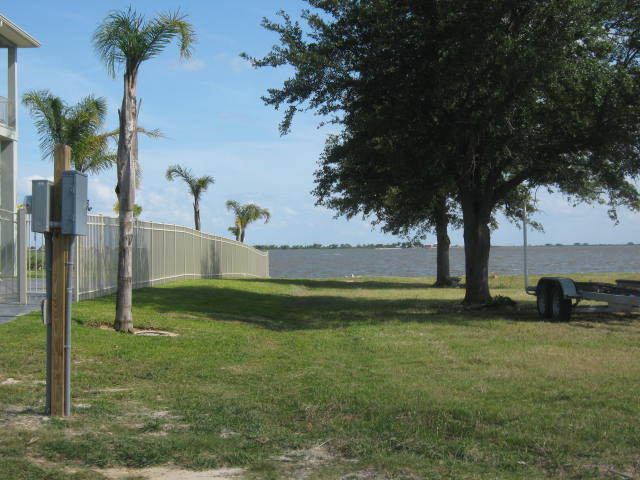
Live Oak & Fill Soil: Why 2-3 Feet of Fill Will Kill Your Tree
Rigolets Lot Youre adding 2–3 feet of fill on a Lake Pontchartrain lot with two mature live oaks. This will kill them. Oaks are fill-intolerant—even 2 inches of clay fill causes irreversible damage. Why Fill Soil Kill
Honey Locust Decline Near Rock Mulch: Why Stone Kills Trees
Your Skyline and Imperial honey locusts in Wausau, WI show bulging trunks below soil line and fail to leaf out above the crotch. The culprit: river rock mulch—not snow or soil. How Rock Mulch Damages Trees Alkaline lea
Pecan Twig Girdlers & Pruners: Why Small Branches Fall & How to Stop It
Your 6-year-old pecan drops pencil-sized twigs with green leaves each spring. The clean cuts and rapid accumulation point to twig girdlers or twig pruners—longhorned beetles (Cerambycidae), not a disease. Identifying th
Snow-Damaged Leyland Cypress: Restoring a Central Leader
Snow broke the tops off your young Leyland cypress row, leaving a 2–3 foot dead central stub above full lower branches. Good news: these trees recover fast. What to Do Cut the dead leader off cleanly at the highest liv
River Birch & Paper Birch Near Septic Systems: High Risk, Better Alternatives
You want to plant birch 6 feet from a deep septic tank with drain lines to drywells. Dont do it. Birches are among the worst trees for septic fields. Why Birches & Septic Systems Clash Water-seeking roots: Birches (Bet
Newly Planted 'Bonfire' Maple Turning Red Early: Transplant Stress & Water Management
Your 15-foot Bonfire maple (likely Acer saccharum Bonfire or similar) was transplanted in March with a 3-foot root ball. Two months later, leaves stopped growing at 2 inches and are turning red. This is classic transplan
Mimosa Wilt (Fusarium): Management and Reality
Fusarium Wilt: Fatal Mimosa Disease Mimosa wilt (Fusarium oxysporum f. sp. perniciosum) is incurable and almost always fatal within a year of symptoms. Symptoms Leaf yellowing/wilting by early-mid summer Branch-by-bran
Royal Empress Tree Winter Dieback: Recovery Steps for Zone 5-6
Your Royal Empress (Paulownia tomentosa) in Southwest Michigan grew 11+ feet last summer, then died back to a pole after freeze. Spring frost killed new growth, and upper trunk shows brown, mushy cambium. Heres the recov
Globe Willow Damaged by Weed-N-Feed: Recovery Steps
Herbicide Injury Diagnosis New globe willow in Texas showing curled, brown top leaves after lawn service applied Weed-N-Feed (broadleaf herbicide + fertilizer) in tree well. Red mulch dye not toxic. Immediate Remediatio
Weeping Birch Leafless in Spring: Viability Test
Is Your Birch Dead? White wood under bark ≠ dead. Birches are deciduous—leafless in winter. Spring leaf-out varies. Scratch Test Scrape bark on branch tips Green = alive Brown/brittle = dead Test multiple branches + tr
Tulip Tree in Partial Shade: Ontario Zone 5 Alternatives
Tulip Tree Light Requirements Liriodendron tulipifera needs full sun—not just upper canopy. Shaded lower trunk (5 ft) increases disease risk and reduces vigor. Plus, its marginally hardy in Ontario Zone 5. Better Fast-G
Tree Roots Under Pool: Cutting and Barriers
Root Spread and Pool Protection Roots extend ~1.5× canopy width. Your silver maple and cherry 6 ft from above-ground pool—maple roots are the likely culprit. Safe Root Cutting Can cut ≤30% of root system without harmin
Planting Corkscrew Willow Near Pool: Root and Litter Concerns
Willow Roots Seek Water Corkscrew willow (Salix matsudana Tortuosa) roots aggressively pursue moisture. A fiberglass pool leak will attract them. Minimum Distance 20+ feet from pool (mature spread 15-30 ft) Roots exten
Water Leaking from Cut Tree Roots: Normal Spring Flow
Why Cut Roots Leak Water After landscaping severed roots, water (sometimes with gel-like sap) flows from cut ends. This is normal spring root pressure—roots actively push water upward for leaf-out. Whats Happening Root
Maple Dripping Sap: Aphids or Scale and Systemic Fix
Sticky Sap = Insect Honeydew Your 8-year-old sunset maple dripping sticky sap with bees/wasps attracted means sap-feeding insects (aphids, soft scales, or whiteflies) are excreting honeydew. Sooty mold may follow. Solut
Tulip Poplar Sooty Mold: Scale Insects and Systemic Treatment
Black Sooty Mold = Scale Insects The black coating on plants/rocks under your 60-80 ft tulip poplars is sooty mold growing on honeydew excreted by tuliptree scale (Toumeyella liriodendri)—large soft scales covering twigs
Moving a Large River Birch: Timing and Technique
Can You Move a 30-40 ft River Birch? Possible but high-risk for a 7-year-old tree. Best done by professionals with a tree spade. Critical Timing Spring: After frost, before leaves fully expand Fall: After leaf color, b
Royal Empress Tree (Paulownia): Buying and Planting Advice
What Youre Actually Buying Royal Empress, Kiri, Princess, Paulownia, Foxglove Empress—all are Paulownia tomentosa. Leaf size and flower color vary by seed source, age, and growing conditions, not cultivar. Why Avoid Pau
Aspen Trees Slow to Leaf Out at High Elevation: Patience Is Key
At 8,000 feet in Colorados San Juan Mountains, your aspen stand shows mixed leaf-out: one full, two partial, one bare but with live buds. This is likely normal elevation-driven phenological variation, not disease or inse
Copyright © www.100flowers.win Botanic Garden All Rights Reserved