
Japanese Maple Defoliated by Beetles: Wait, Don't Prune
Beetles ate every leaf. Branches are alive—maples re-leaf after defoliation. Do nothing now. Next spring, prune any dead tips after leaf-out. Prevent Next Year Apply Bayer Advanced soil drench at bud break. Systemic pro

Hawthorn Roots Near House: Fibrous, Non-Damaging
20-year hawthorns 15 ft tall near foundation: roots are fibrous, wont crack walls. Canopy may spread 25–35 ft—prune branches rubbing the house. Many hawthorn varieties are naturally smaller.
Laurel Oak Rust Spots & Sap: Slime Flux (Wetwood)
Rust-colored spots running down trunk after heavy watering = slime flux (wetwood). Bacteria ferment sap in wounded heartwood; gas pressure forces dark, odorous liquid out. Not fatal. Management Flush trunk with water o
Willows Yellowing in NM Drought: Water, Not Ants
Globe & weeping willows in Santa Rosa, NM dropping yellow leaves = drought + wind stress, not ants. Willows are water hogs. Fix Mulch 3 inches to 3-ft radius. Water 1 inch every other day until rain, then weekly (pan m
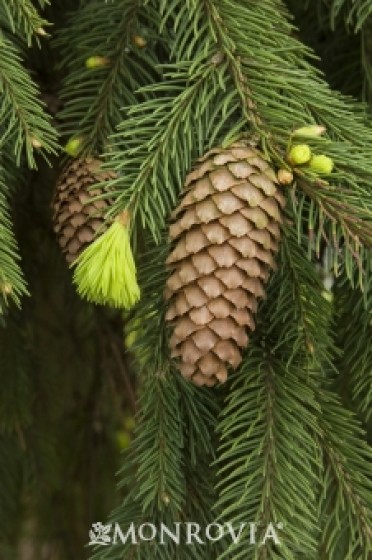
Blue Spruce 6.5 ft from House: No Foundation Risk
A 6-ft blue spruce 6.5 ft from a slab foundation in NM poses zero root threat. Mature spread 15–20 ft; roots mirror that but wont crack intact concrete or invade sound pipes. Only prune branches that eventually rub stucc
Royal Empress Tree 9 ft from Sidewalk/Street: Roots OK
At maturity, Empress tree roots spread ~1.5× canopy width (30 ft wide → 15 ft radius). At 9 ft from hardscape, roots are deep and non-aggressive. Main issue: lower limbs may need pruning as canopy expands 10–20 ft from t
Bradford Pear Trunk Holes: Sapsuckers, Not Borers
Neat rows of ⅛-inch holes on 11 Bradford pears = yellow-bellied sapsucker (woodpecker) feeding. Birds drill sap wells, eat attracted insects. Thin-barked pears show damage more. Management Spray holes with malathion, S
63-Year Pin Oak Dead After Trimming: Timing & Severity Matter
No green foliage = dead tree. Did trimming kill it? Depends on when (winter only for hardwoods) and how much (light pruning OK; heavy topping/top removal kills). Without photos, thats the limit of diagnosis.
Woolly Aphids on Big Maple: Systemic Soil Drench Stops Honeydew
White fluff floating like snow, sticky decks, cars covered = woolly aphids on your 40-year maple. Honeydew (their excretion) fuels sooty mold. Canopy Spray? Impossible. Use Bayer Advanced Tree & Shrub Insect Control soi
Afghan Pines Browning in Desert: You're Overwatering
Brown needles from inside out on 45 Afghan pines in Willow Springs, CA = classic overwatering. Symptoms mimic drought. Conifers need deep, infrequent water once established. Correct Regimen Check soil 3–4 inches down—w
Live Oak Cavity: Don't Fill, Don't Cover, Just Monitor
A 30-year-old cavity in a 5-ft diameter live oak limb with a 4-ft vertical bark crack below indicates internal decay. Research shows: Cavity filling (cement/foam) damages trees—rigid fill rubs, holds moisture, accelera
Cutting 5 ft Off 25-ft Arborvitae: Creates Hedge, Not Tree
Removing 5 feet from the top wont kill arborvitae, but it forces a hedge form. Expect some foliage dieback at the cut. If you want a formal screen, this works. If you want a tree, dont top.
Copper Beech Aphids: Systemic Soil Drench for Large Trees
White aphids on leaf undersides, sticky honeydew, sooty mold on a 30-foot copper beech. Spraying the canopy is impractical. Solution Apply Bayer Advanced Tree & Shrub Insect Control (imidacloprid) as a soil drench. Root
Pool Digging Near Mature Oak: Stay Outside the Dripline
Excavation inside the oaks dripline (branch-tip circle) severs critical roots, causing canopy dieback. Machinery traffic or soil piles on the root zone compact soil, killing roots. Protect the Tree Keep all digging, eq
Douglas Fir Roots Under House: Decay Takes Decades, Don't Accelerate
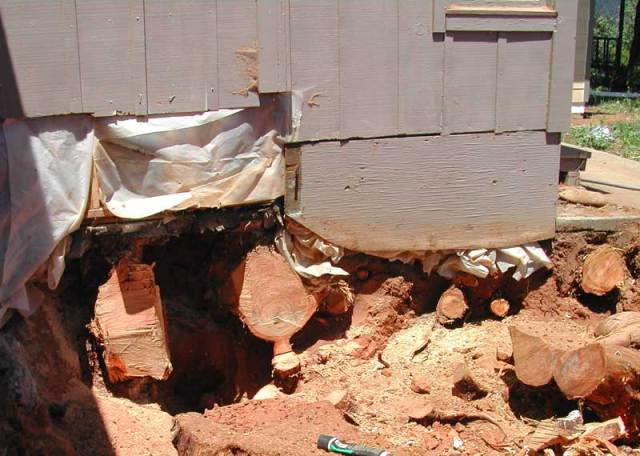
Roots of a 250-year-old Douglas fir cut 12 feet under your addition will decay in 10–20 years (dry, cool, low-oxygen under a house). Chemicals wont speed it meaningfully and risk indoor air quality. Foundation Risk? Min
Ponderosa Pine Red-Brown Needles: Sapsucker Woodpecker Damage
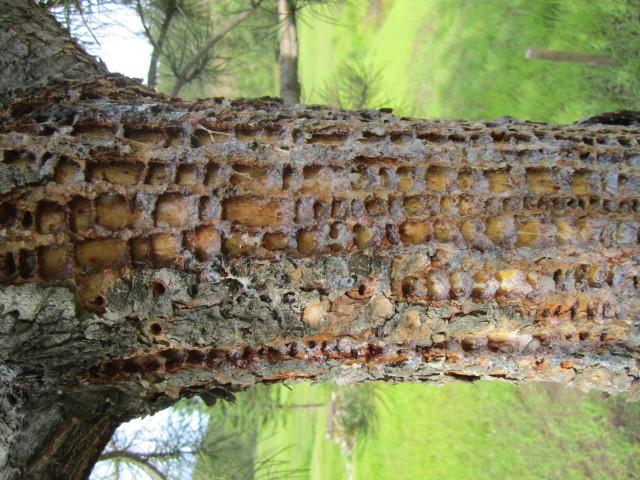
Neat rows of holes on your Black Hills ponderosa = sapsucker (woodpecker) feeding. Birds drill sap wells, return to eat trapped insects. No larvae present—birds are the cause. Discouragement Spray holes with insecticide
Weeping Mulberry Pruning: Trim Ground-Draggers Now, Rest in Winter
For now, only remove branches touching the ground. Upright shoots will naturally weep as they lengthen. Full structural pruning belongs in late winter, just before spring growth. Winter Pruning Plan Remove dead wood. T
Don't Buy Balled Blue Spruces Held 3 Months in Summer
Colorado blue spruces sitting above-ground for three months in hot weather have low survival odds. Summer is the worst planting season for conifers. Wait & Buy Right Plant in fall or early spring. Choose a local nurser
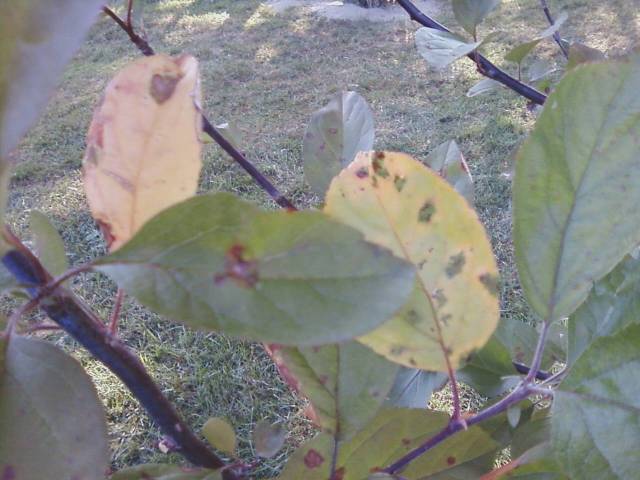
Flowering Crabapple Yellow Spots: Leaf Spot Fungus Management
Brown spots with green halos on yellowing crabapple leaves = leaf spot fungus. Newly transplanted trees are stressed and vulnerable. Cultural Controls (Do Now) Rake and destroy all fallen leaves—reduces overwintering s
Weeping Cherry Girdled by Child: Can It Survive?
If a 1-inch ring of bark was removed completely around the trunk, the cambium is severed—tree will likely die. Try bridge-grafting (advanced) or wrap with grafting wax + tree tape to hold moisture, but odds are low. If
Copyright © www.100flowers.win Botanic Garden All Rights Reserved