
Topped Tree Recovery: Managing Epicormic Sprouts
Reality Check Topping (removing all limbs) forces epicormic sprouts—weakly attached, dense, bushy regrowth. Original form takes many years to restore, if ever. Limited Options Fertilize fall: 10-10-10 at 1 lb/inch trun

Watering Mature Liquidambar (Sweetgum) in Clay Soil
Watering Rule 17-year-old liquidambars in clay only need water during dry spells. Clay holds moisture well. How to Water Check soil 2 down—if dry, water. Apply 1 inch (pan test under sprinkler). Once weekly if no rain.
Jumping Oak Galls on California Oaks: Harmless Curiosity
What Youre Seeing Buzzing oaks + rain of pinhead balls that jump = Jumping Oak Galls caused by tiny cynipid wasps (Neuroterus spp.). Lifecycle Wasp lays egg in leaf at precise growth stage. Leaf forms gall around egg—l
Swedish Aspen Borer Damage: Sawdust and Drill Holes
Pest ID Sawdust at base + small drill holes up trunk + ants = borer infestation (likely poplar borer or similar). Ants are secondary, attracted to sap/borer frass. Standard Treatment Spray trunk (as high as possible) wi
Aspen Leaf Spots and Honeydew: Aphid Infestation
Diagnosis Brown spots, curling leaves, sticky sap on 14-year-old aspens in Oregon = aphid infestation. Aphids feed on leaf undersides, causing curl and spots; honeydew drips below. Systemic Treatment for Large Trees App
Tree Staking Duration: One Season Maximum
General Rule Stake no longer than one growing season. Remove as soon as tree stands upright on its own. Why Unstaked Is Better Wind movement stimulates root expansion and trunk taper (thicker at base). Staked trees dev
Dwarf Alberta Spruce Pruning: Revertant Removal
Natural Form Dwarf Alberta spruce (Picea glauca Conica) rarely needs pruning—naturally dense, conical, limbs to ground. Critical Exception: Revertants Occasionally, a branch reverts to the parent species (white spruce)—
Japanese Maple (Acer) Pruning Timing in England
Major Pruning Window Dormant season: Late November – early January. After leaf drop, before sap rise (typically February in UK). Pruning Principles Cut just above a bud pair → encourages two side shoots. Larger limbs:
Fall Webworms on Crabapple and Weeping Cherry: Identification and Control
Pest ID Webby masses enveloping branches in late summer = Fall Webworms (Hyphantria cunea). Not tent caterpillars (spring). Two generations/year; second (Aug–Sept) is larger. Impact Defoliation looks severe but rarely
Cottonwood Early Leaf Drop: Waterlogging Stress
Cause Identified Six episodes of standing water (1+ days each) around roots this summer caused root oxygen deprivation → premature leaf drop in August instead of September. Prognosis Not serious. Cottonwoods tolerate fl
Silver Maple Rotting Stump: Final Removal and Ant Control
Definitive Solution Cut the 2-ft diameter stump flush with the living trunk. No stub. No paint. The decay is in dead heartwood; living cambium (just under bark) will seal the wound. Carpenter Ant Reality Ants nest in a
Best Time to Prune Silver Maple: Fall Timing
Bleeding vs. Healing Silver maples are bleeders—pruning in late winter/early spring causes copious sap flow (cosmetically alarming, not harmful). But August heat is worst—high sap pressure, stress, slow healing. Optimal
Proper Silver Maple Limb Removal: Branch Collar Technique
Correct Pruning Cut Leave the branch collar—do NOT cut flush. The collar is the swollen ring at the branch base (≈¼ from trunk on large limbs). It contains specialized cells that seal wounds rapidly. Three-Cut Method fo
Planting Globosa Blue Spruce Shrubs in Extreme Heat: Emergency Protocol
Worst-Case Planting Scenario: 100°F+ Weather 3-gallon Globosa (Picea pungens Globosa) in July heat = high stress. But pots dry faster than ground—planting now beats container death. Emergency Planting Protocol Hole: 2×
Bagworm Control on Blue Atlas Cedar: Spot Treatment and Sanitation
Spot Spraying vs. Full Canopy Coverage On Blue Atlas cedar (Cedrus atlantica Glauca), spot-spraying visible bags is effective for light infestations. Caterpillars must feed to ingest insecticide—spraying bags directly wo
Neighbor's Willow Tree: 50 Feet from Pool Is Safe
Root Spread Calculation 7-year willow: ~15-20 ft canopy radius currently. Root extent: 1.5× canopy = ~25-30 ft from trunk now. Mature: 35 ft canopy → 50-55 ft roots. Your pool at 50 ft = safe distance even at maturity.
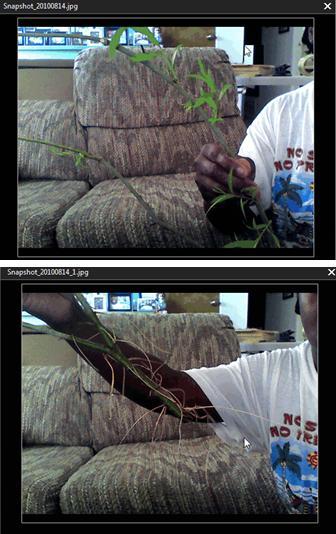
Rooting Globe Willow Cuttings: Indoor Temporary, Outdoor Permanent
Water-Rooted Willow Cuttings: Next Steps Your rooted globe willow (Salix matsudana Navajo) cuttings can grow indoors temporarily but require outdoor planting for long-term success. Indoor Limitations Willows = high wat
Pine Sap Function: Natural Wound Defense
Resin Flow = Trees First Aid System When pine bark is injured, resin ducts (vertical channels in inner bark) are severed. Pressurized resin (sap) floods the wound, creating a physical and chemical barrier. Protective Fu
Oak Tree Construction Damage: Epicormic Sprouts Signal Root Loss
Diagnosis: Soil Compaction from Construction Equipment Heavy equipment 30 ft from oak compacted soil over root zone → killed fine roots → tree cannot support full canopy. Epicormic sprouts (brush-like growth on trunk) ar
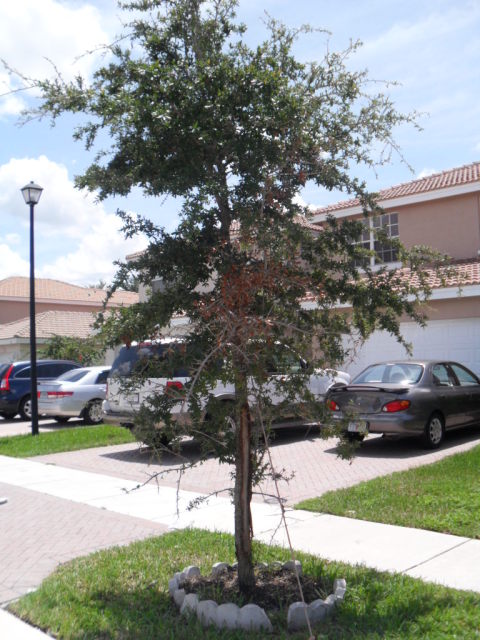
Live Oak Recovery After Vehicle Impact: Assessment and City Negotiation
Positive Signs: Tree Is Compartmentalizing Well Upright, re-soiled, braced. Long wound showing callus roll (healing). Majority of canopy green. Only some branches brown (expected from root trauma). Immediate Actions
Copyright © www.100flowers.win Botanic Garden All Rights Reserved