

Diagnosing Slime Flux on Maple Trees
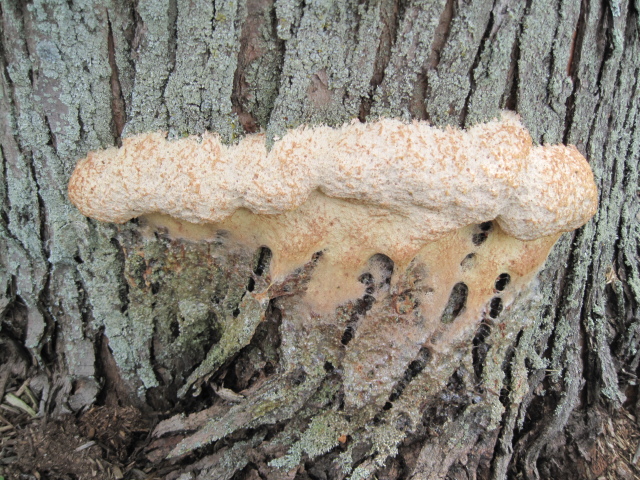
What Is Slime Flux? The yellow-brown, sticky, foamy ooze at the base of your maple is slime flux (wetwood). Bacteria enter through a wound, ferment sap, produce gas pressure, and force liquid out through bark cracks. The

Evaluating Decay and Holes in an Old Oak Tree
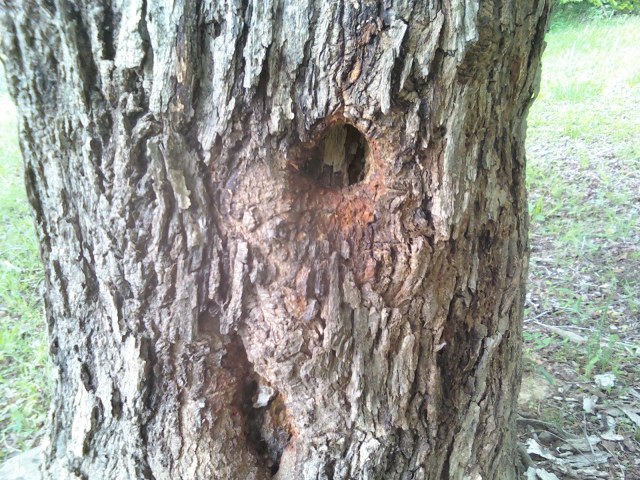
What You’re Seeing The holes likely come from woodpeckers or squirrels excavating in wood already softened by decay fungi. The living tissue is just under the bark; the interior dead wood can decay for decades without ki

Assessing Root Cutting Impact on Birch Trees
Root Loss Threshold Damage depends on the percentage of the root system severed, not just distance from the trunk. Imagine a circle at the drip line; if the cut removes more than 25–30% of that root zone, the tree will s
Identifying and Controlling Bagworms on Cypress Trees
What Are Bagworms? The spindle-shaped, camouflaged “cocoons” hanging from your cypress are bagworms (Thyridopteryx ephemeraeformis). Larvae construct bags from silk and plant debris, feeding with only their head protrudi
Reviving a Newly Planted Canadian Red Cherry with Dry Leaves
Immediate Care Leaf drying one month after planting usually indicates water stress. The root ball may not be adequately hydrated. Watering Protocol Water every third day with 1 inch of water (place a pan under the spri
Recovering from Horticultural Oil Burn on Colorado Blue Spruce
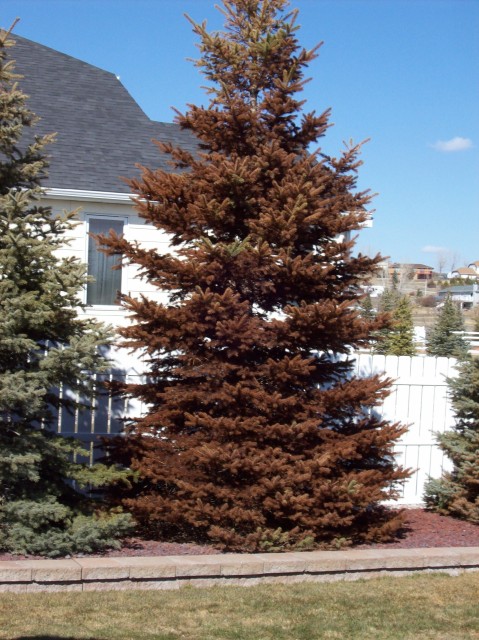
What Happened An over-application of Volck oil (dormant oil) at too high a concentration scorched the foliage, turning the tree brown within days. Colorado blue spruce is especially sensitive to oil sprays, which also st
Managing Frothy Flux and Larvae in Globe Willow
Understanding Frothy Flux Frothy flux is a fermentation of cambial tissue caused by yeast-like organisms entering through wounds (freeze injury, pruning, mower damage). It produces a frothy, often foul-smelling ooze. Unl
Globe Willow Root System Characteristics
Root Spread and Depth The root system of a globe willow extends horizontally about 1.5 times the width of the canopy drip line. Roots are concentrated in the top 2–3 feet of soil. Willow roots seek moisture aggressively
Preventing Fruit on Ornamental Plum Trees
Chemical Thinning Options To stop an ornamental plum from producing messy fruit, apply a growth regulator shortly after petal fall: Gibberellic acid (GA₃) – applied about 1 week after petal fall. Naphthalene acetic acid
Transplanting Redbud Trees in Southern California
Timing Is Critical Even in Los Angeles where the ground doesn’t freeze, summer transplanting is not recommended. Heat and lack of rainfall cause excessive stress. Wait until the tree is dormant—after leaf fall in late au
Dealing with a Slimy, Odorous Tree Stump
Why It’s Happening The stump is oozing slime and orange material because the tree was still alive when cut; the root system continues to push water and nutrients upward, creating fermentation and a foul smell that attrac
Boosting Catalpa Worm Populations and Managing Ants
Understanding the Ecology The black ants on your catalpa tree are not eating the caterpillars (catalpa worms). Instead, a parasitic wasp lays eggs on the caterpillars, killing them. The ants are likely tending aphids or
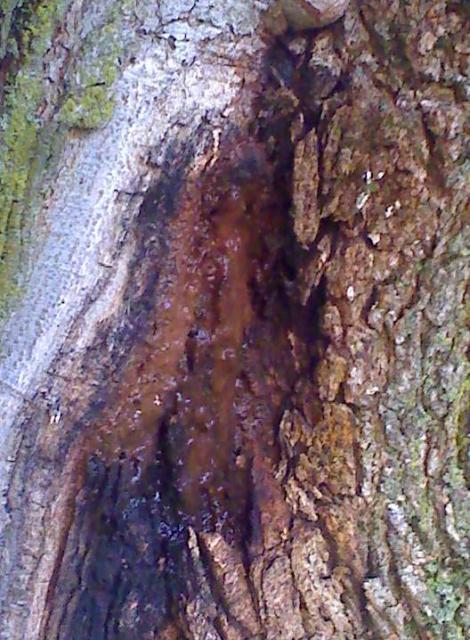
Treating Borer Damage and Sap Flow in Crimson Maple
Diagnosis A 6–7 inch wound oozing brown, pus-like sap on an old crimson maple indicates borer infestation. Borers target stressed trees, so the wound is likely a secondary symptom. Recommended Actions Insecticide treat
Identifying Northern Catalpa from Its Seed Pods
Tree Identification The long, green, bean-like seed pods (10–18 inches) growing in clusters near St. Louis, MO, in late May or early June belong to the northern catalpa (Catalpa speciosa). Key Characteristics Leaves: W
Controlling Maple Twig Borer Infestations
Recognizing the Pest Hollow branches with small white larvae and eggs inside point to the maple twig borer (Proteoteras aesculana). Larvae bore into current-year shoots, killing terminals and causing bushy, deformed grow
Woodpecker and Sapsucker Damage on Magnolia Trees
Understanding the Culprits Rows of small, evenly spaced holes on your magnolia trunk are classic signs of the yellow-bellied sapsucker, a type of woodpecker. Unlike other woodpeckers that excavate large nesting cavities,
Managing Tip Moth Infestations in Evergreen Trees
Identifying Tip Moth Damage If you see larvae boring into the tips of your evergreen branches—especially in sandy, clay-like soils like those in Rio Rancho, NM—you’re likely dealing with tip moths. The adult moth lays eg
Identifying and Treating Leaf Damage on Weeping and Yoshino Cherry Trees
Diagnosing Holes in Cherry Tree Leaves If your weeping cherry or Yoshino cherry trees have small holes in their leaves, the culprit is likely one of several leaf-feeding insects—caterpillars, beetles, or sawfly larvae. T
Dwarf Weeping Willow Beetles: Orthene or Soil Systemic
Weeping willow infested 2 yrs: dark greenish-blue beetle and tiny black multi-legged bugs eating leaves. Sevin failed. Better Control Foliar spray acephate (Orthene)—thorough coverage, longer residual than Sevin. If to
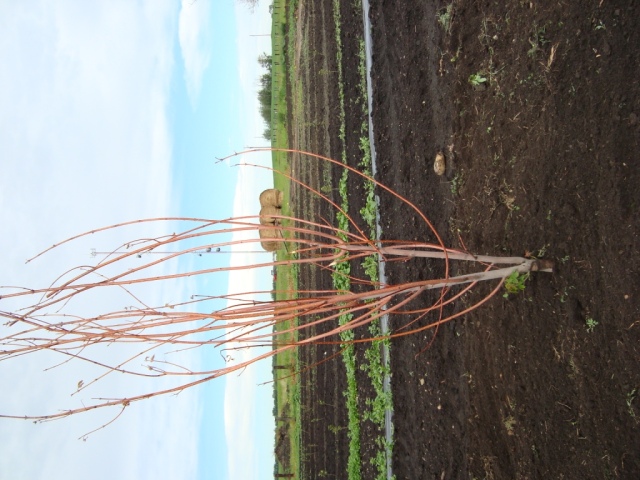
Transplanted Maples Leafing at Base: Check Top, Prune Dead
Edmonton: maples transplanted last year looked dead this spring, now new growth at base. Prune? Check for Life Scrape bark on upper branches: green = alive; brown = dead. Work down until green found. Prune Cut dead
Copyright © www.100flowers.win Botanic Garden All Rights Reserved