
Cottony Maple Scale on Red Maple
Identification White, puffy, sticky masses at branch junctions are cottony maple scale egg sacs. Crawlers hatch and feed on sap, producing honeydew and sooty mold. Control Options Systemic: Soil drench with Bayer Advan

Frost Cracks and Sunscald on Young Red Oak
Diagnosis The vertical bark split near the ground after a harsh winter is classic frost crack or sunscald. Rapid temperature swings freeze and kill inner bark. Care and Prevention Trim loose bark with a sterilized knif
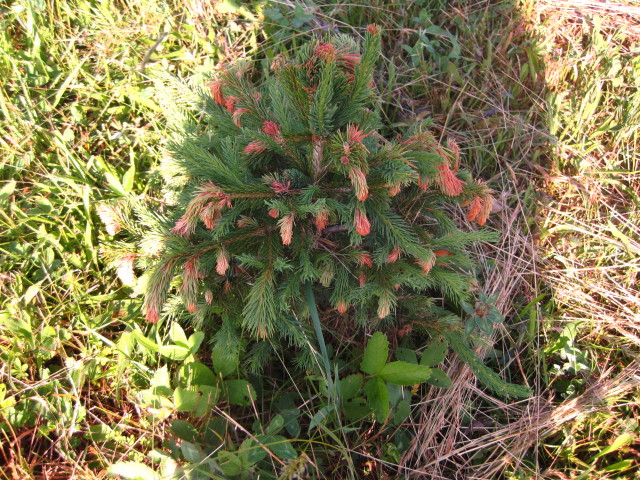
Diplodia Tip Blight in Norway Spruce Plantations
Symptoms Brown, curled new growth (candles) that are woody and don’t break easily, with black fruiting bodies under needle sheaths, indicate Diplodia tip blight (not insect borers). Control Maintain vigor: water during
Oak Twig Galls: Identification and Management
Gall Types Large woody knots on oak branches are likely gouty oak gall or horned oak gall, caused by cynipid wasps. They can girdle branches and cause dieback. Management Prune and destroy galled twigs when small. Rake
Girdled Sumac Tree: Low Survival Chance
Why It’s Fatal Bark removal all around the trunk (girdling) severs the phloem, cutting off sugar transport to roots. The tree will leaf out briefly on stored reserves, then die. Long-Shot Measures Coat wounds with graf
Maple Bladder Galls: Cosmetic Mite Damage
What They Are The red, wart-like bumps on red maple leaves are bladder galls caused by the eriophyid mite Vasates quadripedes. They form in spring, turn red then black, and may distort leaves. No Treatment Needed Galls
Controlling Green Caterpillars on Maple Trees
Pest Identification The green worms eating leaves to the stem are likely looper caterpillars (geometrids). Treatment Spray foliage with Orthene (acephate) when caterpillars are present. This is a contact/stomach insecti
Vinegar and Salt Near Tree Roots: Risks and Ant Ecology
Toxicity Threshold A pint of vinegar or salt near a mature tree’s trunk is unlikely to harm it, but a gallon could. Large trees tolerate more due to extensive root systems. Why Ants Nest There Ants farm aphids for honey
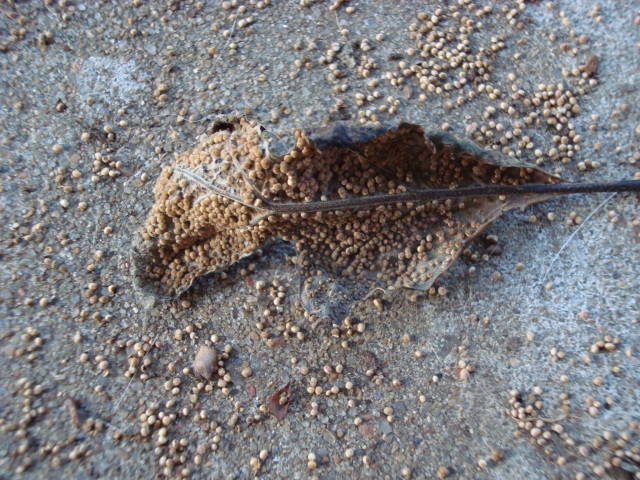
Caterpillar Frass and Early Leaf Drop on Oak
What You’re Seeing The “sandy” granules are frass (caterpillar droppings). The caterpillars have likely finished feeding and pupated. Oaks often refoliate by midsummer. Response No spray needed now—the damage is done a
Oak Leaf Galls: Harmless but Unsightly
What Are They? The small green balls on shagbark hickory leaves and twigs are insect galls, not aphids. Tiny wasps or mites lay eggs and secrete chemicals that force the plant to form a protective structure around the de
Orange Rust on Mulberry and Other Landscape Plants
Diagnosis The orange powdery coating on mulberry, dogwood, maple, willow, and others is likely rust fungi. Mulberry rust is common but rarely threatens tree health; it may cause early leaf drop. Management Fungicide sp
Mulberry Tree Too Close to House: Transplant or Remove
Root and Canopy Conflict A mulberry 6 feet from the foundation will eventually damage it. Roots extend 1.5× the canopy spread (20–30 feet at maturity). Transplanting Option Move in spring (after frost, before leaf-out)
Pruning Dwarf Alberta Spruce: When and How
Natural Form Dwarf Alberta spruce rarely needs pruning; it maintains a dense, conical shape naturally. When to Prune Revertant shoots: Occasionally, a branch reverts to the parent species (white spruce) with longer, fa
Systemic Control of Scale on Large Mimosa Trees
Efficient Treatment For mimosa trees 5–12 feet tall, hand-removal with alcohol is impractical. Apply Bayer Advanced Tree & Shrub Insect Control as a soil drench. The systemic action moves imidacloprid to leaves and s
Diagnosing Sudden Leaf Browning on Newly Planted Live Oak
Likely Cause If nearby trees (Chinese pistache) are unaffected, herbicide drift is unlikely. The most probable cause is planting too deep or a loose root ball from poor staking, leading to root desiccation and failure to
Twig Girdler and Pruner Damage on Young Trees
Identifying the Culprits Smooth, cupped branch ends and bark splitting with small brown disks suggest twig girdler or twig pruner beetles (long-horned borers). Twig Girdler Adult chews around the twig in late summer/fa
Recovery of Young Coast Redwood After Leader Breakage
Good Prognosis A 10-foot-tall, two-year-old coast redwood with a broken leader will naturally replace it. A lateral branch will assume dominance, creating a slight bend that straightens over time. No replacement needed.
Growth and Pruning Guide for Arapahoe Crepe Myrtle and Weeping Willow
Arapahoe Crepe Myrtle Grows 3–5 feet per year. Should bloom in the first year. Weeping Willow Pruning Prune lower limbs to ¼ inch from the trunk at any time if they interfere. For major shaping, prune late summer or
Herbicide Damage to Weeping Willow from Pond Treatment
Diagnosis Over-application of simazine or Karmex (diuron) to the pond likely damaged the willow’s roots on the water-facing side. These herbicides are root-absorbed and can kill non-target trees. Outlook No antidote exi
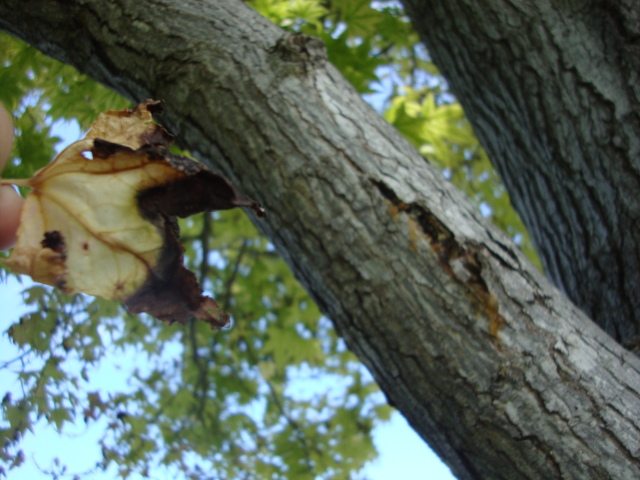
Saving a Liquidambar Damaged by Weed-and-Feed Herbicide
Root Cause The “weed and feed” lawn product contains a broadleaf herbicide that trees absorb through roots, causing leaf scorch, yellowing, and dieback. The trunk scar suggests secondary borer attack on the stressed tree
Copyright © www.100flowers.win Botanic Garden All Rights Reserved