


Rooting Corkscrew Willow Cuttings: Spring Start, Simple Care
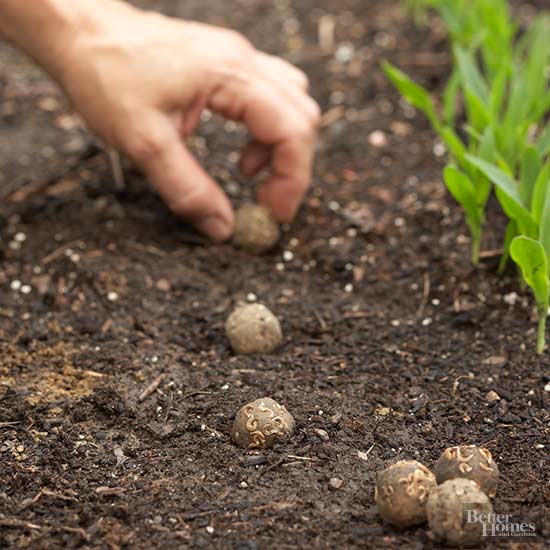
Best Time Spring (after frost, before hot weather). Fall cuttings often rot over winter. Method Take 10–12″ cutting from new growth. Place in water or moist potting mix until roots form (2–4 weeks). Pot in pottin

Reviving Neglected Sand Cherry: Plant, Wait, Assess
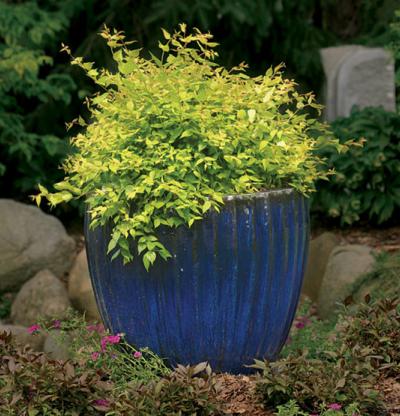
Current State 2-year pot-bound, defoliated, twigs snapping = likely alive but stressed. Roots may be alive even if top looks dead. Do Not Prune Now Foliage (even little) feeds roots. Pruning removes energy source. Wait
Drastic Pruning of Bartlett Pear: Survival and Regrowth
Will It Live? Yes. Pears are vigorous. Cutting to 6-ft stubs (pollarding) shocks but rarely kills. Consequences Fruit production reduced 2–3 years. Dense, bushy regrowth from cut points. Weak attachments—future s
Norfolk Island Pine in Mississippi: Pot vs. Ground
Pot Problem Norfolk pine (Araucaria heterophylla) is not cold-hardy in pots—roots freeze at 20°F+. In ground, soil insulates; in pot, roots die. Recommendation Plant in ground (zone 8a/8b, Ellisville MS is fine). Hol
Hollow Oak Tree: Decay Fungus ≠ Death Sentence
The Hollow Caused by wood-decay fungus entering past wound. Decay fungi do not kill living tissue. They only digest dead heartwood. Structural Risk Assessment 1/3 trunk width hollow after 15+ years, withstood storms
After Pine Removal: Stump Grinding and Oak Planting
Stump Removal Grind stump 6–12″ below grade. Roots die and decay naturally—no need to excavate or poison. No resprouting (pines dont sucker from roots). Planting Oaks Nearby Plant as close as you can dig the hole.
Maple Trunk Suckers: Normal Response to Sunlight
Why They Grow Suckers (water sprouts) on trunk = response to sun exposure on thin bark. Young maples have smooth bark; light triggers dormant buds. Management Rub or prune off at trunk anytime—no harm to tree. Repe
Rescuing a Neglected Pear Tree: Vines, Ants, and Propagation
Vine Removal Correct—vines would have shaded out the pear. Good job clearing them. Trunk Damage (Ants, Rotten Bark) Ants are secondary—nesting in decayed wood from vine damage. Spray ants with any contact insectici
City Topped Aspens: Recovery and Reality
Topping Consequences Weak, bushy regrowth from cut points. Decay entry at large wounds. Loss of natural form; becomes tall shrub. Utility will likely re-top in future cycles. Can They Be Saved? They will survi
Hawthorn Root System: Safe for Patio Planting
Root Character Hawthorn (Crataegus) has a fibrous, non-aggressive root system. No taproot. Will not heave or crack patio. Canopy Consideration Mature spread 25–35 ft. Branches may overhang patio. Choose a dwarf variety
Ash Tree Woolly Aphids: Systemic Timing Matters
Why Fall Treatment Fails Systemic insecticides (imidacloprid) move in active xylem flow. In fall, trees shut down—uptake is minimal. Application now = wasted product. Correct Timing Early spring (bud break to full leaf)
Thuja Green Giant for Sandy Loam Privacy Screen in East Texas
Excellent Choice Thuja Green Giant thrives in sandy loam, full sun to part shade. Fast-growing (3–5 ft/yr), dense, 20–30 ft tall unpruned. Planting Specs Spacing: 5–6 ft apart for solid screen. Hole: 2× root ball w
Fall Transplanting of Fir Trees: Mulch and Monitor
Timing Is Good October 18 is acceptable for evergreens—earlier than deciduous trees, before ground freeze. Roots have time to establish before summer heat. Critical Aftercare Mulch 3 inches organic (wood chips, straw
Leaf Galls on Scrub Oak: Harmless and Temporary
What They Are Grape-sized, yellow-red balls on leaves = leaf galls caused by tiny gall wasps (Cynipidae). Wasp lays egg, secretes chemical → leaf forms protective gall around larva. No Harm, No Treatment Needed Galls
Cypress Knees at Foundation: Removal and Root Barrier
What Are Cypress Knees? Woody projections from roots of bald cypress (Taxodium distichum). They can lift slabs, crack foundations, and damage patios. Immediate Action Cut knee off at ground level. Immediately paint
Planting Weeping Willow: Keep Far From Septic Lines
Critical Warning Do not plant willow near septic lines. Willows seek water aggressively. Roots will invade pipes (even intact ones), causing clogs and costly repairs. Minimum Distance 30+ feet from any septic component
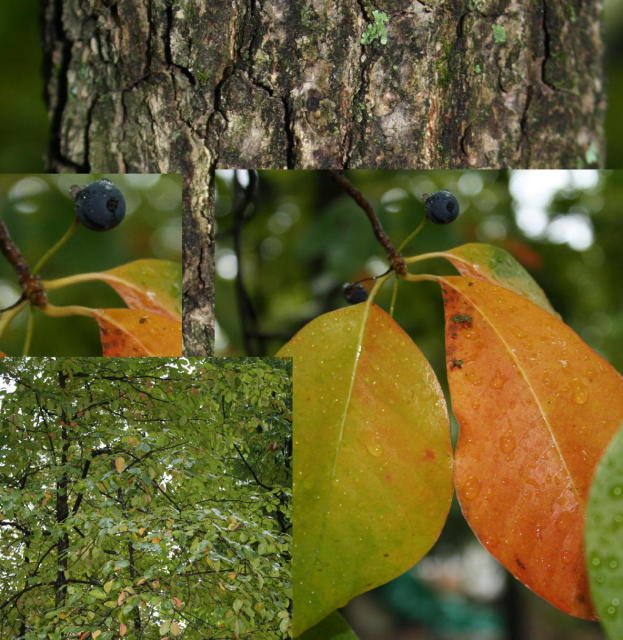
Identifying a Mystery Tree: Black Tupelo (Blackgum)
Key Features from Photos Rough bark. Simple oval leaves 3–4″. Dark blue-black berries, oval, single large seed, little flesh. Berries on 2–3″ stems, single per stem. Fruit smells like locust bean when crushed.
Squirrels or Twig Girdlers? Diagnosing Elm Branch Drop
Likely Not Squirrels Clean-cut twig ends on the ground = twig girdler or twig pruner (longhorn beetles), not squirrel chewing (which leaves ragged, gnawed ends). Beetle Lifecycle Female girdles twig, lays eggs above
Drain Pipe Replacement Near Maple: Boring vs. Trenching to Save Roots
Homeowner needs to replace clogged drainage pipe 3 feet from a large maple (12-inch trunk). Pipe is 8–12 inches deep. Asks if boring can avoid tree damage. Root Zone Reality Maple roots concentrate in top 12–18 inches.
Relocating a Semi-Dwarf Moonglow Pear: Fall Transplant Guide
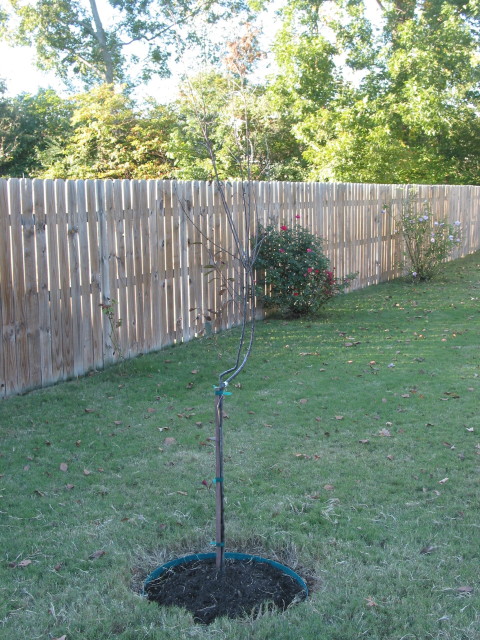
Timing Fall is acceptable (after leaf color, before ground freeze) or early spring. Since you say now, proceed if soil is workable and leaves are turning. Procedure Prepare new hole first (2× root ball width, same de
Copyright © www.100flowers.win Botanic Garden All Rights Reserved