

Dwarf Dogwood Varieties for Containers
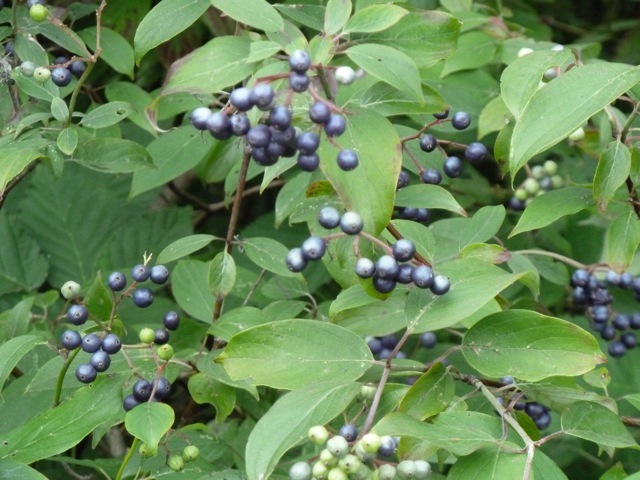
Small-Space Dogwoods: Yes, They Exist For a New Jersey balcony pot, consider these true dwarf dogwoods: Cornus florida Little Princess – Compact, 3–4 ft, white flowers, red fall color. Cornus canadensis (Bunchberry/Pige

Bagworms on Spruce and Pine: Identification and Control
Those Pine Cones Are Actually Insect Cases The spindle-shaped, foliage-covered bags hanging from your blue spruce are bagworms (Thyridopteryx ephemeraeformis), not pine cones. Each bag houses a caterpillar that feeds on
Treating Iron Chlorosis in Pin Oaks: Soil Testing Is Key
Why Your Pin Oaks Are Yellow Pin oaks often develop iron chlorosis (yellow leaves with green veins) in alkaline soils where iron becomes unavailable. Adding iron or sulfur without knowing your soils exact pH and nutrient
Using Fresh Wood Chips as Mulch: Benefits, Risks, and Best Practices
Can You Mulch With Chips From a Removed Tree? After removing a 60-foot cottonwood, you may wonder if the fresh chips are safe to use. Research from Virginia Tech and the University of Maryland shows fresh wood chips can
Identifying and Managing Walnut Husk Maggots and Flies
What Are Those Worms in Your Walnuts? If youre hulling black walnuts and find small, maggot-like larvae inside blackened husks, youre dealing with one of two common pests: the walnut husk maggot (Rhagoletis suavis) or th
Landscaping Under Magnolia Trees: Solutions for Bare Ground
Revitalizing the Shade Beneath Magnolias Magnolia trees cast dense shade and have shallow, competitive roots, making the area beneath them notoriously difficult to landscape. If youre facing bare, unsightly ground under
Cedar "Sap" Drop: Aphid Honeydew Management and Winter Protection
Real Cause: Aphids, Not Sap Gold droplets = aphid honeydew. Aphids suck needle juices, excrete sticky sugar liquid. Attracts ants, wasps, sooty mold. Treatment: Systemic Insecticide Bayer Advanced Tree & Shrub Insect C
Cherry Tree Herbicide Damage: Diagnosis and Recovery Attempt
Diagnosis: Herbicide Injury One-sided defoliation toward neighbors sprayed area + trunk sap bleeding = herbicide uptake. Likely 2,4-D or dicamba (translocated), not Roundup (contact only). Immediate Actions Fertilize:
Crepe Myrtle in Michigan: Container Limitations and Planting Solution
Why It Wont Bloom Indoors Insufficient annual sun hours Needs seasonal temperature cues Too large for indoor culture (4 ft in pot = root-bound) Solution: Plant Outdoors Crepe myrtle hardy to zone 5-6 (southern Michig
Japanese Maple Trunk Damage: Emergency Wound Care
Immediate Steps Trim loose bark - clean wound edges Apply grafting wax - seals moisture in, fungi out Wrap with tree wrap for winter protection Remove wrap in spring Spring: spray Merit insecticide on wound - prevents b
Cottonwood Poplar Petiole Gall Aphid: Life Cycle and Organic Management
Identification Grey bugs in pod-like galls on leaf petioles = Poplar Petiole Gall Aphid (Pemphigus populitransversus). Life Cycle Eggs overwinter on leafless twigs Spring hatch → nymphs feed on petioles → galls form Ap
Lichen on Japanese Maple and New Trees: Harmless Epiphytes, No Treatment Needed
Older Japanese maple and two new trees (Cleveland pear, Tamuke maple) have green mold-like growth on bark. Homeowner asks how to remove safely. Its Not Mold—Its Lichen Lichens are symbiotic organisms (fungus + alga/cyan
Live Oak vs. Hardscape in Orlando: Root Barriers, Forester Consultation, and Compromise
Orlando homeowner: live oak 2 years in, patio cracking, walkway lifted 2–3 inches. Husband wants removal; she wants to save shade. Root-Hardscape Dynamics Live oak roots lift rigid surfaces by secondary thickening. 15–2
Philadelphia (Zone 6b/7a) homeowner planted Edith Bogue/Brown Velvet magnolia in July. Asks about winter survival, growth rate, bud behavior, and fertilizer spikes vs. granular. Hardiness & Winter Survival Edith Bogue a
Cottonwood Petiole Gall Aphid: Lifecycle, Identification, and Organic Management
Homeowner sent photos of grey bugs in pod-like galls on cottonwood leaves. Identified as poplar petiole gall aphid (Pemphigus populitransversus). Lifecycle Summary Eggs overwinter on cottonwood twigs. Spring hatch → ny
Dogwood Deadwood Removal: Timing, Technique, and a Pastoral Perspective
Church property chair asks about pruning dead branches on dogwood after previous trimming left 1/3 canopy dead. Wants to use pole chainsaw. Deadwood Pruning: Anytime Is Safe Dead branches can be removed any season. No d
Cedar-Hawthorn Rust on Washington Hawthorn: Late-Season Management and Spring Prevention
2.5-year-old Washington hawthorn shows cedar-hawthorn rust (cedar-apple rust) in late summer/early fall. Asks if fungicide now helps and spring protocol. Rust Lifecycle Fungus (Gymnosporangium) requires juniper (cedar)
Dawn Redwood Decline from Nutsedge Competition: Mulch and Persistent Herbicide Strategy
Two 7-year-old dawn redwoods; one declining. Nutsedge (Cyperus spp.) infests base; Roundup used annually. Asks how to save the tree. Competition Mechanism Nutsedge forms dense mats, stealing water and nutrients. Roundup
China Berry Stump Sprouts: Garlon 4 for Resistant Species
China berry (Melia azedarach) cut down; Roundup fails to stop root sprouts. Homeowner asks for effective herbicide. Why Roundup Fails China berry has waxy leaves that shed water-based herbicides. Also, extensive root sy
Oak Tree Cavity Assessment: When Holes Indicate Hazard
Cabin owner has large oak with two 4-inch holes and 3-foot crack on a hillside. Asks how to decide if removal is needed. Key Principle: Foliage Health = Tree Health Full, healthy canopy = living cambium intact. Decay fu
Copyright © www.100flowers.win Botanic Garden All Rights Reserved